


The Power of Salt
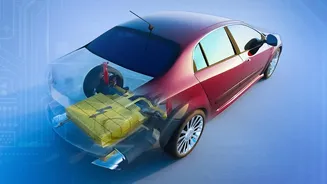
At the heart of this change are sodium-ion batteries. Functioning very similarly to the lithium-ion batteries that power our phones and current electric vehicles (EVs), this technology uses sodium ions as its charge carrier. The key difference lies in the raw
material. Sodium, the same element found in table salt, is about a thousand times more abundant in the Earth's crust than lithium. This incredible abundance means raw materials are not only cheaper but also more evenly distributed globally, reducing the geopolitical risks and supply chain bottlenecks associated with lithium, which is concentrated in a handful of countries.
Why Cheaper Means More Than Just Savings
The cost advantage of sodium-ion batteries is structural. By replacing expensive lithium, cobalt, and nickel with plentiful sodium, iron, and manganese, the theoretical cost of a battery pack can be slashed significantly. This isn't just about making premium cars a little cheaper; it's about enabling a new category of truly budget-friendly EVs. Since the battery is one of the most expensive components of an electric car, a lower-cost battery directly translates to a lower sticker price for the consumer. Automakers can even leverage existing lithium-ion battery manufacturing lines to produce sodium-ion cells, which dramatically reduces the capital investment needed to scale up production.
The Performance Trade-Off
Of course, there are trade-offs. The primary limitation of current sodium-ion batteries is lower energy density compared to their lithium-ion counterparts. In simple terms, they store less energy in the same amount of space or weight. This means they are not yet ideal for large, long-range luxury EVs. However, this characteristic makes them a perfect fit for smaller, city-focused electric cars and two-wheelers, where a massive range is less critical than affordability. Additionally, sodium-ion batteries offer significant safety advantages, as they are less prone to thermal runaway (catching fire) and perform exceptionally well in cold weather, a known weakness for many lithium-ion chemistries.
Automakers Leading the Charge
Chinese automakers and battery manufacturers have been at the forefront of commercializing this technology. The world's largest battery maker, CATL, has launched sodium-ion batteries for both vehicles and grid storage. Automaker BYD, a major force in the global EV market, is also investing heavily, having started construction on a massive sodium-ion battery plant with a planned annual capacity of 30 GWh. While early reports suggested its small 'Seagull' hatchback would debut with a sodium-ion option, the company launched it with a lithium battery but continues to signal a strong focus on sodium for future affordable models. These moves show a clear industry direction toward using this technology to unlock the lower end of the market.
What This Means for India
For India, the rise of sodium-ion technology is particularly significant. With ambitious clean energy and e-mobility goals, a reliance on imported lithium and Chinese-dominated supply chains presents a strategic vulnerability. Sodium, however, is a resource India has in abundance, creating a pathway toward self-reliance ('Atmanirbhar Bharat') in energy storage. The technology is perfectly suited for the country’s massive two- and three-wheeler market, as well as for affordable compact cars. By encouraging the development and adoption of sodium-ion batteries, India can de-risk its EV transition, foster a domestic manufacturing ecosystem, and make electric mobility accessible to a much wider segment of its population.