






Understanding the Flavour Profiles
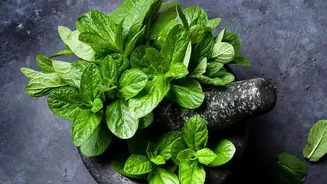
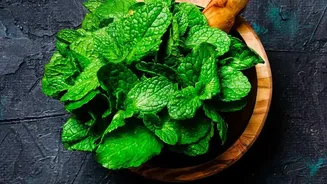
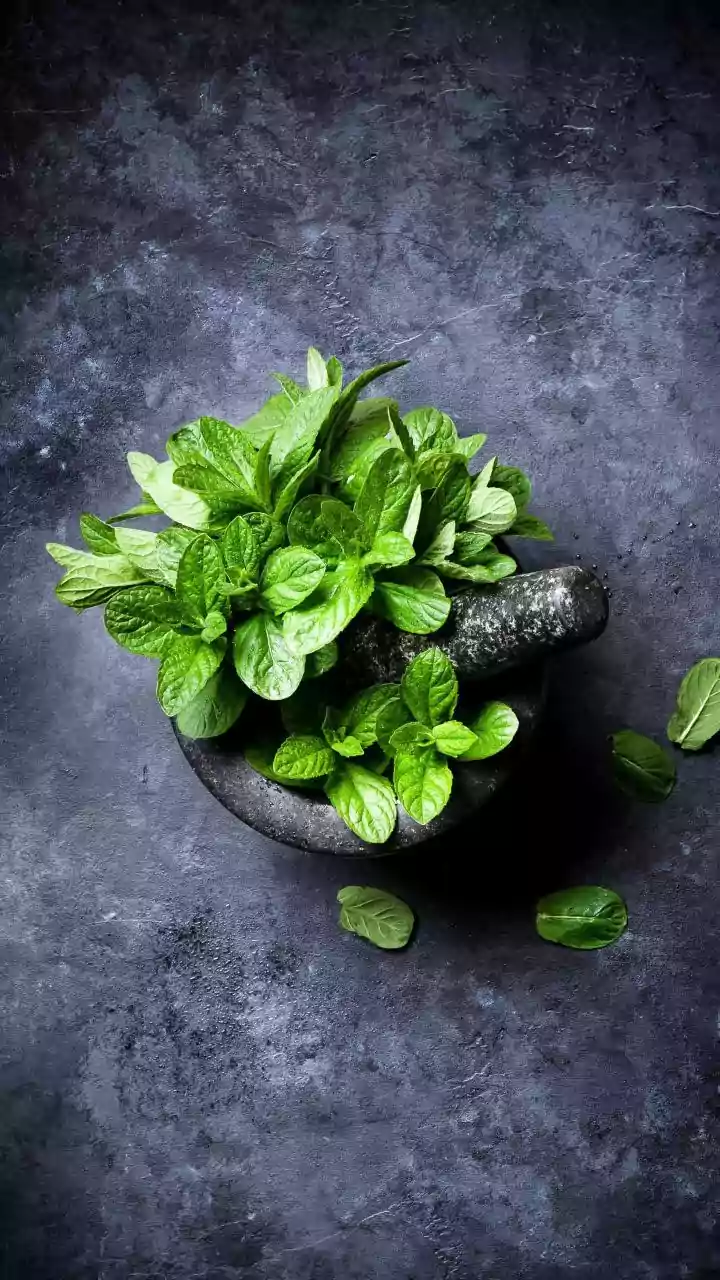
Mint, or pudina, is known for its intensely aromatic and refreshing character. Its flavour is sharp, clean, and cool, providing a welcome burst of freshness that can cut through richness and awaken the palate. Cumin, or jeera, on the other hand, is warm,
earthy, and slightly nutty. While ground cumin is a pantry staple, using whole seeds offers a more complex experience. The real magic, however, happens when you toast the seeds. This simple act transforms the spice entirely.
The Magic of Toasting Cumin
Toasting whole cumin seeds is a non-negotiable step for unlocking their deepest flavour. Heating the seeds in a dry pan for just a minute or two releases their volatile oils, creating a rich, nutty aroma and a more intense, less bitter taste. This process, which triggers chemical reactions that create new flavour compounds, adds a profound depth that untoasted or pre-ground cumin simply cannot replicate. To toast, place the seeds in a dry skillet over medium heat. Stir or shake the pan constantly until they become fragrant and darken slightly, which usually takes one to two minutes. Be sure to remove them from the pan immediately to prevent burning from residual heat.
The Quintessential Raita
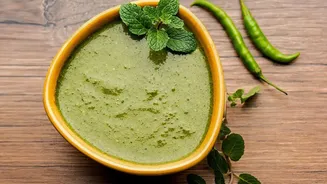
One of the most classic applications of this pairing is in a cooling yogurt raita. The coolness of the mint and yogurt is perfectly balanced by the earthy warmth of roasted cumin powder. To make a simple pudina raita, start by whisking thick yogurt until smooth. In a grinder, blend fresh mint leaves, a little green chilli for heat, salt, and a pinch of sugar with a tablespoon of yogurt to help it move. Stir this vibrant green paste into the whisked yogurt. Finish by stirring in freshly roasted and ground cumin powder. For best results, let the raita chill for at least an hour to allow the flavours to meld together. It serves as the perfect accompaniment to spicy biryanis, kebabs, and parathas.
A Versatile Green Chutney
Mint-cumin chutney is a versatile condiment that can elevate countless dishes. This vibrant sauce is a staple, perfect as a dip for samosas and pakoras, a spread for sandwiches and wraps, or a side for grilled meats and paneer. To create it, blend a generous amount of fresh mint leaves, and often some coriander to soften the mint's intensity, with green chillies, ginger, lemon juice, and salt. The key is to add whole toasted cumin seeds or freshly ground roasted cumin powder to the blender. A little yogurt or even roasted peanuts can be added for a creamier texture. This chutney is best made fresh, as it tends to lose its bright colour and flavour after a day or two.
The Digestive Drink: Jaljeera
Jaljeera, which translates to 'cumin water', is a popular and refreshing Indian beverage known for its digestive properties. The drink masterfully combines the cooling effect of mint with the digestive aid of cumin. To prepare it, blend fresh mint leaves, coriander, ginger, and lemon juice into a fine paste. This paste is then diluted with chilled water. The signature flavour comes from a mix of spices, centrally featuring roasted cumin powder, black salt (kala namak), and often a little dry mango powder (amchur) for tanginess. Served chilled, often with small fried balls called 'boondi' for garnish, it's a perfect appetiser or a way to cool down on a hot day.
Beyond the Classics
The pairing of mint and cumin is not limited to traditional recipes. It makes a fantastic base for marinades for chicken, lamb, or paneer, infusing them with a fresh and earthy aroma before they hit the grill. You can also incorporate the duo into a simple potato dish, Pudina Jeera Aloo, where boiled potatoes are tossed in a paste of mint and a tempering of cumin seeds. For a refreshing side, create a dressing with lemon juice, olive oil, minced mint, and toasted cumin to toss with cucumbers, chickpeas, or a simple grain salad. The combination works beautifully in Moroccan-style vegetable and lamb stews as well, showcasing its versatility across cuisines.