







The First Domino: When the Rains Fail
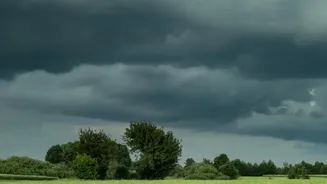
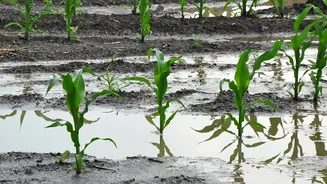
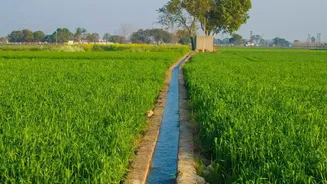
For millions of Indian farmers, the monsoon isn't just a season; it's the lifeline of their entire year. A significant portion of India's farmland is rain-fed, meaning it depends directly on seasonal rains rather than irrigation. When the monsoon is delayed,
weak, or uneven, the first and most direct impact is on sowing operations. Farmers often wait for the first spell of rain to moisten the soil before planting kharif crops like rice, pulses, soybeans, and cotton. A rainfall deficit during the crucial June-July period can postpone sowing, shrink the growing season, and lead to poor seed germination. This initial stress means fewer crops are planted, and those that are may struggle to grow, immediately reducing the potential harvest.
A Ripple Effect Across the Supply Chain
A diminished harvest at the farm level creates a ripple effect that travels up the entire food supply chain. Lower production means less produce for farmers to sell to local aggregators and wholesalers. This initial scarcity creates a supply crunch. Wholesalers who buy from multiple farms find themselves with less stock to transport to larger distribution hubs and urban centres. The problem isn't just quantity; erratic rains can also affect the quality of the produce. Transportation, storage, and handling costs don't decrease with the lower volume, meaning the per-kilogram cost of moving goods starts to rise. For perishable items like vegetables, this journey is a race against time, and any disruption or scarcity along the way can cause hoarding and speculation, further distorting prices before the produce even reaches your local vendor.
The Last Mile: Impact at Your Local Mandi
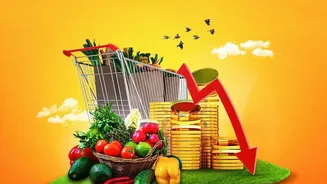
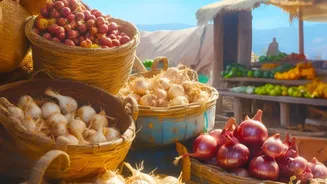
By the time the limited supply of crops reaches the urban mandis and neighbourhood vegetable sellers, the fundamental economic principle of supply and demand takes over. With fewer vegetables, pulses, or grains available, but with demand from households remaining relatively constant, prices inevitably rise. This is why you might see the cost of everyday essentials like onions, tomatoes, or pulses jump seemingly overnight. These items, often sensitive to short-term supply disruptions, become more expensive as vendors pass on the higher wholesale costs to consumers. While the government may have buffer stocks of staples like rice and wheat to cushion against immediate price shocks, more perishable goods and rain-dependent crops like pulses remain vulnerable, making them key drivers of food inflation.
Beyond the Price Tag: Wider Economic Consequences
The impact of a poor monsoon extends far beyond your grocery bill. For farmers, a failed crop can lead to lower incomes and an inability to repay loans, causing widespread rural distress. This reduction in rural income weakens demand for other goods, from tractors to consumer products, slowing down the broader economy. Furthermore, rising food prices contribute to headline inflation, which is a major concern for the entire country. Food accounts for a large part of the consumer price index, so when food gets more expensive, it can prompt the Reserve Bank of India to maintain a cautious stance on interest rates, affecting everything from home loans to business investments. A single weak monsoon season demonstrates just how interconnected the nation's economic health is to its agricultural backbone.