





First, Identify the Source of the Dampness
Before you can declare war on dampness, you need to understand where it's coming from. The source of the water infiltration determines the best course of action. Common culprits during the monsoon include penetrating damp, where water seeps through external
walls due to cracks or porous materials. Another frequent issue is rising damp, where groundwater travels up through the masonry, typically affecting the lower parts of walls. Leaky pipes within the walls, faulty plumbing, or a leaking roof can also lead to significant water damage and damp patches. Finally, high humidity can cause condensation on cooler walls, leading to a damp feeling and mould growth without any leak at all.
Immediate Actions for a Drier Home
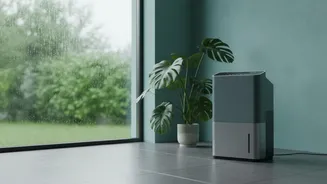
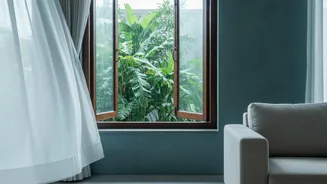
While you plan a long-term fix, there are immediate steps you can take to manage the situation. Improving ventilation is crucial; open windows and doors whenever it's not raining to allow air to circulate and dry out moisture. Running exhaust fans in high-moisture areas like kitchens and bathrooms is also essential. For rooms with persistent dampness, a dehumidifier can be an excellent investment to pull excess moisture directly from the air and maintain an ideal humidity level. Placing water-absorbent mats at entryways can also help reduce the amount of water tracked inside.
Tackling Mould and Peeling Paint
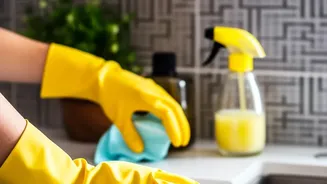
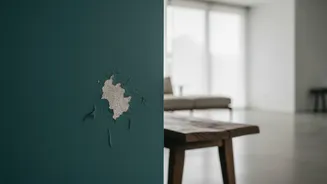
Damp walls often lead to two unwelcome guests: mould and peeling paint. To address this, first, ensure the wall is as dry as possible. You can then tackle the cosmetic damage. Carefully scrape away any flaking or bubbling paint with a putty knife or wire brush. For mould, it’s important to clean it safely. Create a solution of one part bleach to three parts water and, while wearing gloves and ensuring the room is well-ventilated, apply it to the affected area with a cloth. Let it sit for several minutes before scrubbing and rinsing the surface. Allow the wall to dry completely before considering any repairs or repainting.
Long-Term Waterproofing Solutions
For a permanent fix, you’ll likely need to address the exterior of your home. Inspect the outer walls thoroughly for any cracks, no matter how small, and seal them with waterproof crack-fillers or sealants. Applying a high-quality waterproof coating or paint to the exterior walls creates a robust barrier that prevents rainwater from being absorbed. It is also critical to check your roof and terraces for any potential leaks or damaged waterproofing that needs repair. Ensure that your drainage systems, including gutters and downspouts, are clean and clear of debris to prevent water from overflowing and running down your walls.
Prepare Before the Next Monsoon
The best defence is a good offence. Use the dry season to prepare your home for the next monsoon. This is the ideal time for major external repairs and painting. Once any interior dampness has been fully resolved and the walls are dry, you can apply a fresh coat of paint. For best results, use a waterproof primer and paint on the interior walls to add another layer of protection. This proactive approach not only keeps your home looking its best but also protects the structural integrity of your property, saving you from recurring stress and expense when the rains arrive again.