




The Eco-Friendly Toolkit
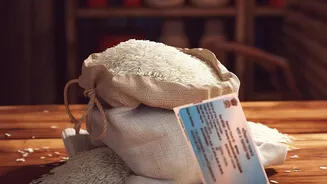
Before you begin, gather your sustainable materials. The beauty of this method lies in its connection to nature. You will need coarse rice flour for your white base. Traditionally, this was used not just for art but also as an offering to small creatures
like ants and birds, symbolizing harmony with nature. For colours, turn to your garden and kitchen. Collect fresh flower petals from marigolds (for yellows and oranges), roses (for reds and pinks), and jasmine. You can also use natural powders like turmeric for a vibrant yellow, kumkum for red, and dried, powdered spinach or mint leaves for green. These materials are not only beautiful but also biodegradable, leaving no harmful residues behind.
Preparing Your Canvas and Colours
Choose a clean, dry, and flat surface for your rangoli, typically at the entrance of your home or in a courtyard. Sweeping the area and sprinkling a little water can help the design hold better once the surface dries. Prepare your flower petals by separating them and keeping different colours in separate bowls. If you plan to use whole flowers, trim the stems and any green leaves. For your coloured powders, you can create them by mixing natural colorants like turmeric into your rice flour. To create a dye for the rice flour itself, you can mix the flour with a small amount of water and natural food colouring, then spread it out to dry completely before grinding it into a fine powder.
Drawing Your Outline with Rice Flour
The key to a fast and beautiful rangoli is a confident outline. For beginners, it's helpful to lightly sketch your design with chalk first. Simple geometric shapes, floral patterns, or mandalas work wonderfully and are quick to execute. To apply the rice flour, the traditional method involves taking a pinch of flour between your thumb and index finger and letting it fall in a controlled line as you move your hand. If you're new to this, you can also use a small squeeze bottle or create a paper cone to help guide the flour more precisely for cleaner lines. Start by creating the main structure of your design, working from the inside out to avoid smudging your work.
Filling with Petals and Powders
Once your white framework is complete, it's time to bring it to life with colour. This is where your flower petals and natural powders come in. Begin filling the sections of your design, starting from the center and working outwards. You can use whole flower heads for bold statements or use loose petals to create a soft, textured fill. Arrange petals in concentric circles for a classic mandala look or create gradients by blending different coloured petals. Use your coloured powders like turmeric or kumkum for smaller, more intricate details within the design. The contrast between the soft white rice flour and the vibrant hues of the flowers creates a stunning visual impact.
Tips for Speed and Precision
To ensure your rangoli creation process is fast and enjoyable, keep a few tips in mind. First, choose a simple, symmetrical design. Symmetry makes a design look complex and balanced, but is often based on repeating simple motifs. Second, having all your materials prepared and sorted before you start is crucial. Use stencils if you want perfectly uniform shapes without the stress of freehand drawing. Finally, work with a partner or family members; many hands make for light work and turn the activity into a shared festive experience. Remember, the goal is not perfection but participation in a beautiful tradition.