





Across India, a quiet revolution is happening in the kitchen. Home cooks are consciously setting aside refined flour (maida) and rediscovering an ancient treasure: millets. This shift is more than a trend; it's a return to nutritional roots.
Why Make the Great Flour Swap?
The move away
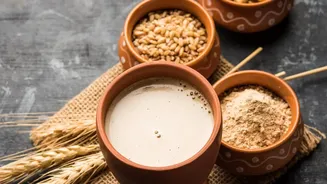
from refined flour is rooted in a growing awareness of health and nutrition. Maida, a highly processed form of wheat, is stripped of its fibre and nutrients. This results in a product that can cause sharp spikes in blood sugar. In contrast, millets are nutritional powerhouses. They are naturally gluten-free, rich in dietary fibre, packed with protein, and loaded with essential minerals like iron, magnesium, and calcium. Different millets offer unique benefits: ragi (finger millet) is famed for its high calcium content, bajra (pearl millet) is rich in iron, and jowar (sorghum) is a great source of protein and antioxidants. This impressive profile helps in managing blood sugar, aids digestion, and contributes to heart health, making the switch an easy choice for health-conscious families.
Getting to Know Your Millets
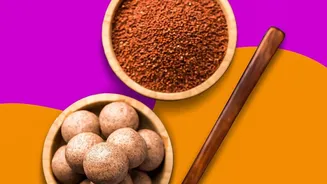
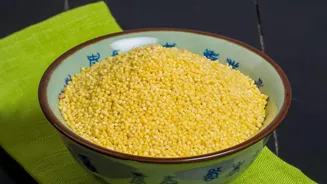
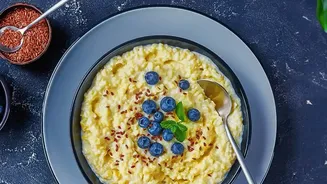
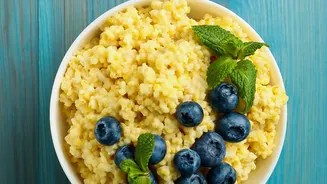
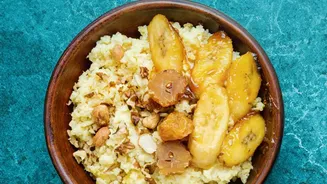
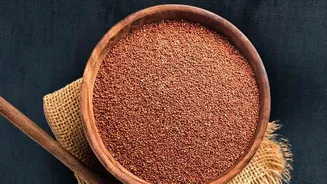
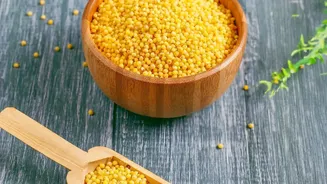
For many, the world of millets can seem vast. However, a few key players are leading the charge in Indian kitchens. Jowar (Sorghum) has a mild, slightly sweet flavour, making its flour incredibly versatile for rotis and bhakri. Bajra (Pearl Millet) has a stronger, nutty taste and a warming quality, which is why bajra rotis are a winter staple in states like Rajasthan and Gujarat. Ragi (Finger Millet), with its earthy flavour, is a favourite for making nutrient-dense dosas, porridges, and rotis. Other varieties like foxtail millet (kangni) and little millet (kutki) are also gaining popularity for their use in dishes like upma, pulao, and khichdi, often replacing rice or semolina.
Mastering Millet Rotis and Dosas
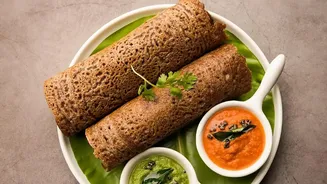
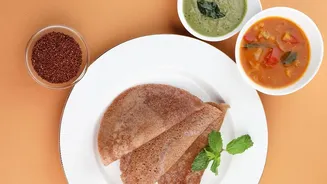
Replacing wheat or rice flour with millet flour in everyday staples is where most home cooks begin. The key challenge is the absence of gluten, which makes dough less elastic. For rotis made with jowar or bajra, using warm water to knead the dough helps release starches and create a more pliable texture. Another popular technique is to start by blending flours, for instance, using 50% millet flour and 50% whole wheat flour, and gradually increasing the millet ratio. For dosas, ragi flour can be easily incorporated into the traditional rice and dal batter to boost its nutritional value, resulting in crispy, reddish-brown dosas that are rich in calcium and fibre. Soaking millets for a few hours before grinding or cooking can also improve their digestibility and nutrient absorption.
The Challenge of Healthier Baking
Baking is where refined flour's gluten is most missed, as it provides structure to cakes and breads. But creative home bakers have found clever workarounds. The most effective method is to use a blend of flours. Combining millet flour with oat flour or almond flour can create a softer, more moist result. Because millet flours are very absorbent, recipes often require more liquid, such as milk, yoghurt, or fruit purees like mashed banana, which also adds natural sweetness and moisture. For cookies, the crumbly nature of millet flour is actually a benefit, producing a delightful melt-in-the mouth texture. Using binding agents like a flaxseed water mixture or yoghurt can also help hold the batter together.
Simple Tips for a Smooth Switch
Embracing millets doesn't require a complete kitchen overhaul. The key is to start small and experiment. Begin by substituting 25–30% of refined or wheat flour with millet flour in your favourite recipes and see how you like the taste and texture. Don't expect an exact one–to–one replacement; millet flours behave differently, often requiring adjustments to liquid content. Remember to store millet flours in an airtight container, preferably in the refrigerator, to maintain their freshness. Finally, listen to your body. Millets are high in fibre, so increasing your water intake as you introduce them into your diet is a good practice to aid digestion.