






Pack Smart, Not Just Light
The key to monsoon packing is focusing on fabric and function. Swap out your usual cotton t-shirts and denim for clothes made of synthetic, quick-dry materials like polyester or nylon. These fabrics don't hold moisture and will dry in a few hours inside
a hotel room, a lifesaver in 90% humidity. Instead of one heavy jacket, layer with a thin fleece for warmth and a lightweight, foldable waterproof jacket or poncho for rain. This combination gives you flexibility for cool evenings and sudden showers. Don't forget to pack a few extra pairs of socks and undergarments in a sealed bag to ensure you always have something dry to change into.
Master the Art of Waterproofing
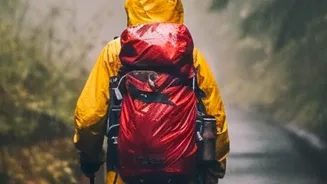
Keeping your belongings dry requires a multi-layered approach. Start with a waterproof backpack or use a dedicated rain cover for your existing bag. Inside the bag, adopt a double-bagging strategy for your most sensitive items. Place your phone, chargers, and documents in individual zip-lock pouches first. Then, put these smaller pouches into a larger dry bag for a second layer of protection. This compartmentalises your gear and ensures that even if your main bag gets damp, your electronics and essentials remain completely dry. Tossing a few silica gel packets into your luggage and electronics pouches can also work wonders by absorbing ambient moisture.
Choose the Right Footwear
The wrong shoes can ruin a monsoon trip, leading to discomfort and potential fungal infections. Leave the absorbent canvas sneakers and heavy leather shoes at home. Instead, opt for waterproof sandals, rubber floaters, or any footwear made from water-resistant synthetic materials. The ideal monsoon footwear offers a good grip for slippery surfaces, doesn't absorb water, and dries quickly. For any walks or treks, shoes with good traction are non-negotiable. It's also wise to pack an extra pair of lightweight flip-flops for indoor use at your hotel.
Prepare Your Vehicle for Wet Roads
If your four-day trip involves driving, a pre-trip vehicle check is crucial. Ensure your tyres have adequate tread depth, as worn tyres struggle to channel water and can lead to aquaplaning on wet highways. Check that your brakes, headlights, and windscreen wipers are in perfect working order. High humidity can also affect a car's electrical systems, so a quick check of the battery and wiring is a good idea. Once on the road, reduce your speed, maintain a safe distance from the vehicle ahead, and avoid using hazard lights while driving in heavy rain, as this can confuse other drivers. If you can't gauge the depth of a waterlogged road, it's always safer to find an alternate route.
Isolate Wet and Dirty Items
One of the quickest ways for dampness to spread is by mixing wet items with dry ones. A simple but effective hack is to create an 'isolation zone' in your luggage. Pack a few extra plastic bags or a dedicated reusable laundry bag. The moment you come in from the rain, place your wet raincoat, dripping umbrella, or muddy shoes directly into this bag. This prevents moisture and grime from spreading to your clean clothes, keeping the rest of your luggage fresh and dry for the duration of your trip. A quick-dry microfibre towel is also a great addition for wiping down bags or drying off after an unexpected shower.
Prioritise Health and Hygiene
The monsoon season can bring an increased risk of infections. Mosquito-borne illnesses like dengue and malaria are more common, so carrying a good insect repellent is essential. Waterborne diseases are also a concern. Always drink boiled, filtered, or sealed bottled water, and be cautious about eating raw foods or street food that may have been exposed to contaminated water. Pack a basic first-aid kit with antiseptic wipes, bandages, and any personal medications, as well as antifungal powder or cream for your feet. Washing your hands frequently or using a hand sanitiser can significantly reduce the risk of falling ill.