





A Muted Start to the Year
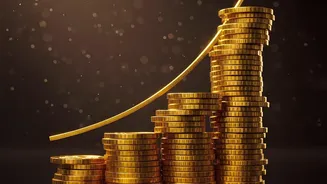
The year 2026 began on a challenging note for one of India's most cherished assets. Record-high gold prices, touching peaks early in the year, combined with broader inflation to squeeze household budgets. This led many potential buyers to delay purchases,
waiting for a more favourable entry point. The World Gold Council noted a significant year-on-year drop in demand for the September quarter, with both jewellery and investment purchases falling. High import duties also contributed to the elevated domestic prices, further dampening consumer sentiment and leading to predictions that annual gold demand could fall to a six-year low. This cautious atmosphere left many jewellers anxious as the all-important festive quarter approached.
The Dhanteras Turnaround
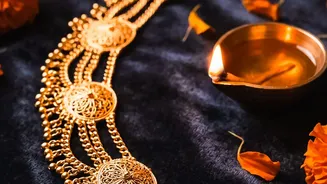
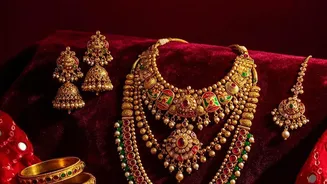
The mood shifted dramatically with the arrival of Dhanteras. Jewellers across the country reported a significant increase in footfall and sales, with some estimates pointing to a 15-20% rise in sales value compared to the previous year. Major jewellery chains noted strong consumer enthusiasm, attributing the rebound to the powerful cultural pull of the festival, which is considered the most auspicious day to buy precious metals. The All India Gem and Jewellery Domestic Council estimated that gold sales touched approximately ₹60,000 crore during Dhanteras, signalling a robust comeback that defied the year's earlier weakness. This festive rush provided a much-needed boost to the industry.
What Drove the Festive Recovery?
Several factors converged to fuel the festive buying spree. A crucial element was a timely correction in gold prices from their January peak, which improved affordability just ahead of Dhanteras. This dip encouraged consumers who had been on the sidelines to finally make their purchases. Beyond pricing, the recovery was anchored by tradition and pent-up demand. For millions of households, buying gold for Dhanteras and the subsequent wedding season is a non-negotiable cultural practice. Furthermore, strong rural demand, potentially aided by a good monsoon season, also played a part in reviving the market after a period of weakness.
Changing Consumer Habits
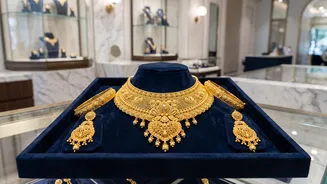
While sales recovered, consumer behaviour showed noticeable shifts. Many buyers adapted to the high-price environment by opting for lightweight jewellery, such as smaller pendants, chains, and bangles. This allowed them to honour tradition without overstretching their budgets. There was particularly strong demand for 18-carat and 14-carat jewellery. Alongside traditional forms, interest in smaller gold coins and bars remained firm, as they separate the investment from the additional costs of craftsmanship. This trend indicates that while the value of sales was high, the total volume of gold sold may not have seen a similar increase, as consumers spent more to acquire less metal compared to previous years.
A Signal of Economic Resilience?
The strong festive performance in the gold market is often viewed as a barometer for broader consumer confidence. The willingness of households to spend on precious metals, despite economic pressures, suggests a degree of optimism. It reflects the unique position gold holds in India as both a celebratory purchase and a trusted store of value against uncertainty. However, the overall picture remains complex. While jewellery exports have shown encouraging growth, total gold imports for the financial year are down significantly, suggesting the market has not fully returned to previous highs. The recovery appears to be more a return to seasonal norms rather than a complete reset of demand.