


A Return to Roots
In bustling cities and quiet towns, a vibrant trend is emerging among younger Indians. When planning festive meals and friendly get-togethers, they are looking to the past to inform a more sustainable future. Instead of single-use plastic or paper plates,
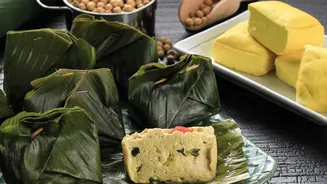
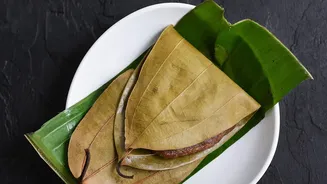
they are turning to banana leaves as a natural and elegant alternative. This isn't just about nostalgia; it's a conscious choice that blends environmental responsibility with cultural pride. This movement reflects a broader cultural shift where tradition is no longer seen as something old-fashioned, but as a source of wisdom for modern living. For many young hosts, it's about creating an authentic experience that feels both contemporary and deeply rooted in Indian heritage.
The Benefits of the Leaf
Choosing a banana leaf is more than just an eco-friendly statement; it comes with a host of other advantages. Banana leaves are completely biodegradable, breaking down easily and returning to the soil without causing pollution. This makes them a perfect zero-waste option for gatherings of any size. Beyond their environmental credentials, banana leaves are believed to offer health benefits. They contain natural antioxidants called polyphenols, similar to those found in green tea. When hot food is served on the leaf, some of these beneficial compounds may be absorbed, adding a subtle nutritional boost. The leaves also have natural antimicrobial properties that can help keep food fresh and safe. Furthermore, the waxy surface of the leaf imparts a faint, earthy aroma that enhances the flavour of the dishes served on it.
From the Farm to the Feast
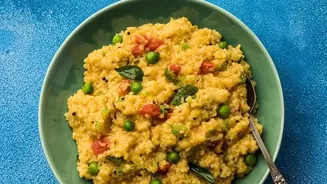
This eco-conscious mindset extends beyond the serving ware to the food itself. The trend is coupled with a growing preference for locally sourced, seasonal, and organic produce. Spurred by a post-pandemic surge in health awareness, consumers are increasingly interested in where their food comes from. This has led to a greater demand for farm-to-table dining experiences, with hosts and even restaurants building closer relationships with local farmers. Opting for local and organic ingredients not only ensures fresher and more flavourful meals but also supports local economies and reduces the carbon footprint associated with transporting food over long distances. This movement is helping revive interest in traditional grains and indigenous vegetables that were once overshadowed by mass-produced and exotic alternatives.
Modern Tradition, Thoughtful Style
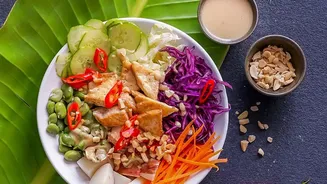
What makes this trend so compelling is its blend of old and new. Young hosts are not simply replicating the meals of their grandparents; they are reinterpreting tradition for a modern context. The presentation might be minimalist, influenced by global design trends, but the core elements remain authentically Indian. A traditional sadhya, or feast, served on a banana leaf can be a beautiful aesthetic statement. The vibrant colours of the food contrast stunningly with the green leaf, creating a visually appealing experience that is perfect for an Instagram-savvy generation. It's a way of showing that sustainability and tradition can be stylish and aspirational. This approach proves that one doesn't have to choose between being modern and being culturally rooted; the two can coexist beautifully.
Making the Conscious Choice
Embracing this eco-friendly approach does require a degree of intentionality. Sourcing large, clean banana leaves might take more effort in a dense urban environment than simply buying a stack of disposable plates. Likewise, finding reliable local and organic food suppliers can involve research. Organic produce, while growing in availability, can also be priced higher than conventional options due to different economies of scale and supply chain costs. However, for these young hosts, the extra effort is a small price to pay for a celebration that aligns with their values. It is a deliberate move away from convenience-driven consumption towards more mindful and meaningful choices that prioritise health, community, and the environment.