






The era of planting flags and footprints is over. NASA's vision for the Moon has shifted from short-term visits to establishing a permanent human foothold on the lunar surface, a move that redefines our future in space.
From Apollo to Artemis
For over fifty years, humanity's
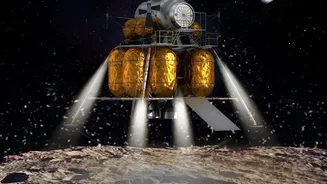
lunar expeditions have been brief, carefully planned sorties. The Apollo missions were groundbreaking but temporary. Now, through the Artemis program, NASA is planning for a sustained presence. This isn't just about returning to the Moon; it's about staying. The program, which has already completed a crewed fly-by with Artemis II in early 2026, aims to land astronauts near the Moon's south pole. Subsequent missions are planned to land crews more frequently, laying the groundwork for what NASA calls the 'Artemis Base Camp', a permanent outpost for science and exploration.
The Blueprint for a Lunar Outpost
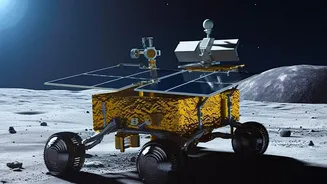
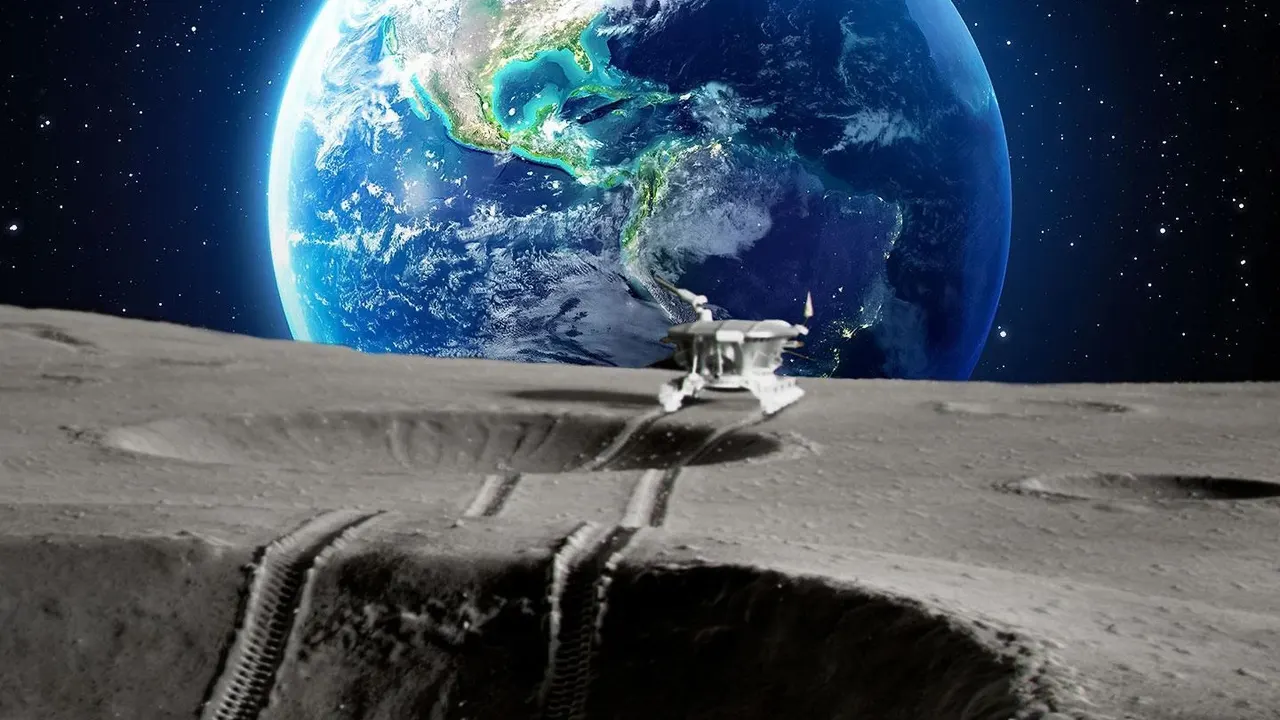
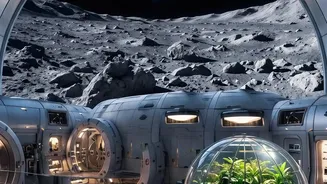
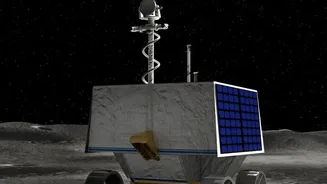
What does an 'enduring' moon base actually look like? The plan involves a phased approach. The first phase, already underway, uses a fleet of robotic landers from commercial partners to deliver scientific instruments, rovers, and test key technologies. More than 20 of these precursor missions are planned through 2029. The next phases will involve constructing habitats, power systems, and other infrastructure to allow astronauts to live and work for weeks or months at a time. NASA has even indicated the base could eventually cover hundreds of square miles, with various assets supporting the goal of a permanent presence. To power this outpost through the two-week-long lunar nights, NASA is developing a small-scale nuclear fission reactor, a crucial technology for a sustainable settlement.
A Hub for Science and Mars Prep
The scientific and strategic goals for a moon base are threefold. First, it offers an unparalleled platform for long-term scientific research, particularly at the lunar south pole where water ice is believed to be trapped in permanently shadowed craters. This water could be a game-changing resource, potentially providing drinking water, breathable air, and even rocket propellant. Second, the base will anchor a burgeoning lunar economy, driven by public-private partnerships with companies like SpaceX and Blue Origin. These companies are essential for building landers, rovers, and logistics capabilities. Finally, and perhaps most importantly, NASA sees the Moon as a critical proving ground for humanity's next giant leap: Mars. Learning to live and work long-term in the harsh lunar environment is the best way to prepare for the much longer and more complex journey to the Red Planet.
The Immense Challenges Ahead
Building a home on the Moon is one of the greatest engineering challenges ever undertaken. The environment is unforgiving, with no atmosphere, extreme temperature swings from over 120°C to below -200°C, and constant threats from cosmic radiation and micrometeorites. The lunar dust, or regolith, is as sharp as tiny shards of glass and poses a serious threat to equipment and astronaut health. Beyond the technical hurdles, the financial and political commitment required is immense. The Artemis program's success relies on sustained funding and robust international and commercial collaboration. The Artemis Accords, a set of principles for peaceful lunar exploration, now have dozens of signatory nations, forming a global coalition to support these ambitious goals.