


Good Bones: Identifying a Candidate for Keeps
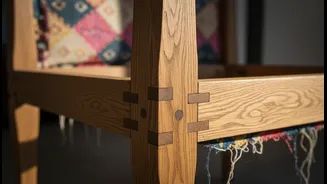
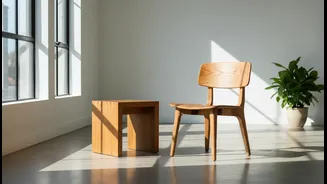
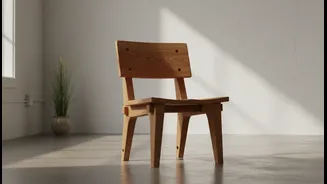
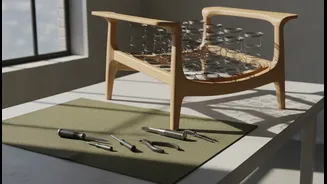
Not every chair is worth saving. The first step is to look past the shabby fabric and assess its structure. A piece worthy of investment has a solid, well-built frame, typically made of hardwood. Give it a little shake; does it wobble or feel loose? A sturdy
frame is the foundation of a lasting piece. Many older chairs feature high-quality craftsmanship, such as solid wood construction and joinery that is simply not common in today's mass-produced furniture. If the legs are an integral part of the frame, rather than just screwed on, it's often a sign of superior construction. While an upholsterer can tighten loose joints, a cracked or poor-quality frame made of particleboard is often a dealbreaker.
The Cost vs. Quality Equation
Reupholstery isn't always cheaper than buying a new chair, a common misconception. The cost can range significantly, from a few hundred dollars for a simple dining chair to over a thousand for a complex armchair, depending on fabric and labor. Labor is often the biggest expense, with skilled upholsterers charging by the hour or by the project. However, the comparison shouldn't be with a cheap, new chair that will wear out in a few years. The true value lies in comparing the cost to a new piece of similar high quality. When you reupholster a well-made vintage chair, you are investing in a durable item that will likely outlast most modern, budget-friendly alternatives.
The Power of Personalisation
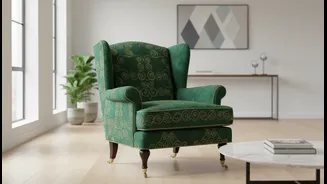
One of the most significant advantages of reupholstering is the unparalleled level of customisation. Instead of being limited to what's available in a showroom, you have complete control. You can select the perfect fabric, texture, and pattern to match your home's decor and express your personal style. This is an opportunity to upgrade not just the look but the feel. You can choose new padding, specify the firmness of the cushions, and even make small stylistic changes like adding or removing a skirt. This transforms the chair into a bespoke piece that is uniquely yours, something difficult to achieve with off-the-shelf furniture.
A Sustainable Choice for Your Home
Opting to reupholster is also a powerful act of sustainability. Every year, millions of tons of furniture are sent to landfills, contributing to significant waste. By choosing to give your existing chair a new life, you are keeping a bulky item out of the waste stream and reducing the demand for new raw materials like timber. This reduces the carbon footprint associated with manufacturing and shipping new products. In an era of increasing environmental awareness, reupholstery is a conscious choice that promotes a more circular economy.
Working with a Professional
A successful reupholstery project depends on the skill of the professional you hire. Look for an experienced upholsterer with a strong portfolio of past work. A good professional will do more than just recover the chair; they will strip it down to the frame, make necessary repairs, and replace the webbing, springs, and padding to restore its structure and comfort. Be sure to discuss all the details upfront, including how patterns should align, the desired cushion density, and any stylistic finishes. It's also wise to ask for a clear breakdown of costs and whether they offer a warranty on their work. An honest upholsterer will even tell you if a piece isn't worth the investment.