




Diwali is a time of light, joy, and togetherness. But the festivities often bring a spike in air pollution that can pose health risks. This guide helps you make informed choices by identifying safer windows for outdoor celebrations.
The Challenge: Diwali, Weather, and Air Pollution
Every year, the days
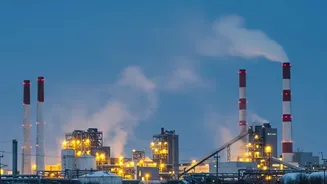
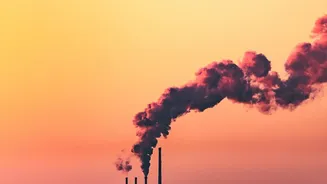
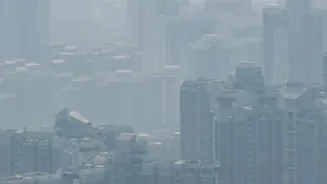
following Diwali see a dramatic decline in air quality across many Indian cities. This is caused by a combination of factors. The smoke from firecrackers releases a mix of harmful pollutants, including fine particulate matter (PM2.5 and PM10), sulfur dioxide, and nitrogen oxides. This happens during a time of year when meteorological conditions, such as lower temperatures and slower wind speeds, often trap pollutants close to the ground, creating a blanket of smog. This phenomenon, known as temperature inversion, prevents pollution from dispersing, causing it to accumulate day by day. The result is a predictable health emergency, especially for children, the elderly, and those with pre-existing respiratory conditions like asthma.
Your Key Tool: Understanding the Air Quality Index (AQI)
The most crucial tool for navigating this period is the Air Quality Index, or AQI. The AQI is a colour-coded scale from 0 to 500 that translates complex pollution data into a single, easy-to-understand number. It measures key pollutants to tell you how clean or polluted your air is. In India, the Central Pollution Control Board (CPCB) uses six categories: Good (0-50), Satisfactory (51-100), Moderate (101-200), Poor (201-300), Very Poor (301-400), and Severe (401-500). An AQI in the 'Good' or 'Satisfactory' range has minimal health impact, while 'Poor' and above can cause breathing discomfort for everyone.
How to Check Real-Time AQI in Your Area
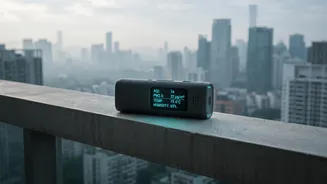
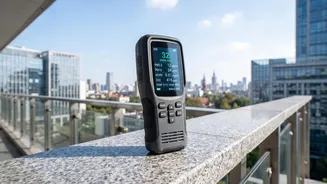
Checking the local AQI is easier than ever. Several reliable smartphone apps and websites provide real-time data from monitoring stations across India. The government's own SAFAR (System of Air Quality and Weather Forecasting and Research) and the Sameer app are excellent resources. Other popular international apps like AQI and AirVisual also offer detailed, hyperlocal information, sometimes down to your specific neighbourhood. Many of these tools also provide forecasts, which can help you plan activities for the coming hours and days. Using these apps to check the AQI before stepping out is a critical first step.
Finding the 'Safer' Time Windows for Festivities
Air quality is not static; it changes throughout the day. While no time is completely free of risk during peak pollution, some windows are generally better than others. Pollutant levels are typically highest late at night and in the early morning. This is when cool, still air traps emissions from overnight firecracker bursting and other sources. As the sun rises and the day warms up, the air begins to circulate more, allowing pollutants to disperse. Therefore, the safest period for outdoor activities is usually the late morning or early afternoon. This is when sunshine is at its peak and wind can help clear the air. Avoid planning extensive outdoor gatherings in the early morning or late evening when the AQI is likely to be at its worst.
Additional Steps for a Healthier Diwali
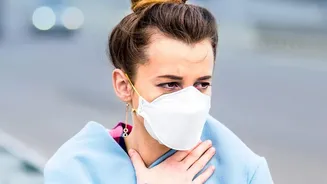
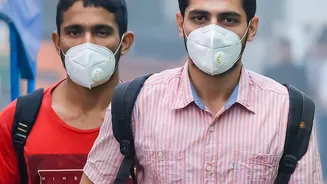
Timing your outdoor activities is just one part of the solution. To further protect yourself and your family, consider additional measures. When you do go outside during periods of high pollution, wearing a high quality N95 mask can significantly reduce your inhalation of fine particulate matter. Indoors, keep windows and doors closed to prevent polluted air from entering. Using an air purifier can also greatly improve indoor air quality. It is especially important to ensure that vulnerable individuals, such as children, the elderly, and people with heart or lung disease, limit their exposure as much as possible. Opting for eco friendly celebrations, like lighting traditional diyas instead of bursting loud crackers, contributes to a safer environment for everyone.