



From Tourist to Temporary Local
The biggest driver of this trend is a deep desire for authenticity. Young travellers are no longer content with surface-level sightseeing. They want to immerse themselves in the local culture, discover hidden cafes, and build a genuine connection to a place.
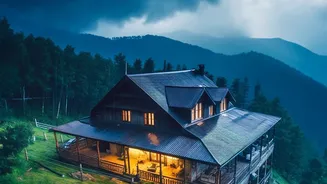
An extended homestay provides the perfect setting for this. Instead of the sterile environment of a hotel, a homestay offers a personal connection to the destination, often through interactions with local hosts who can provide invaluable tips and a glimpse into daily life. This shift is about experiencing a neighbourhood, not just a landmark, and trading the role of a fleeting visitor for that of a temporary resident.
The Economics of Slowing Down
At first glance, a month-long trip might sound more expensive than a week-long one, but the maths often favour longer stays. Many homestays and serviced apartments offer significant discounts for weekly or monthly bookings, making the per-night rate far more affordable than a hotel. The savings multiply when you factor in amenities like a kitchen. Having the ability to cook your own meals drastically reduces the high cost of dining out for every meal. For young professionals, freelancers, and students on a budget, this cost-effectiveness makes longer, more meaningful travel experiences financially accessible.
The Remote Work Revolution
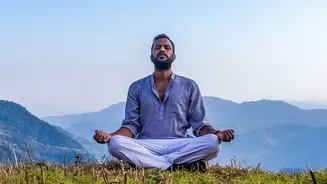
The normalisation of remote work has been a massive catalyst for this trend. Untethered from a physical office, a growing number of young professionals can now blend work and travel into 'workations'. All that's needed is a stable internet connection, which more and more homestays in scenic locations from the Himalayas to the backwaters of Kerala now provide. Destinations like Bir, Goa, and Rishikesh have become hubs for digital nomads, offering a mix of co-working-friendly cafes and long-stay accommodations. This allows explorers to maintain their professional lives while enjoying a dramatically different lifestyle, swapping city smog for mountain air or beach sunsets.
A Cure for Travel Burnout
The pressure to see and do everything in a few short days can lead to travel burnout, leaving you needing a vacation from your vacation. Slow travel, centred around a single basecamp, is the antidote. It eliminates the stress of constant packing, unpacking, and rushing between cities. A 2025 travel report noted a significant rise in single-base itineraries and a decline in packed, multi-city tours, suggesting travellers are actively choosing a more relaxed pace. This approach allows for spontaneity—the freedom to have an unplanned day, revisit a favourite spot, or simply relax and absorb the atmosphere without a pressing itinerary.
Building Genuine Connections
When you stay in one place for an extended period, you have the time to build real relationships. This could be with your homestay host and their family, the owner of the local chai shop, or fellow long-stay travellers. These connections foster a sense of community and belonging that a short trip rarely allows. For solo travellers, in particular, this can make a journey less isolating and more socially fulfilling. The basecamp model, whether in a shared homestay or a community-focused apartment complex, creates an environment for swapping stories and forming friendships, turning a solo journey into a shared experience.