



The Dampness Dilemma
The core challenge of a monsoon kitchen is moisture. With humidity levels often soaring between 70% and 90%, the air itself becomes a problem. This dampness encourages the rapid growth of mould and mildew on surfaces, inside cabinets, and even on food.
Bacteria and viruses also thrive in these conditions, increasing the risk of foodborne illnesses like gastroenteritis and diarrhoea. Stagnant, humid air allows mould spores, which are always present, to find a damp surface and begin growing within just 24 to 48 hours. This is why proactive hygiene and smart storage are not just about cleanliness, but about health and safety.
Master Your Storage Game
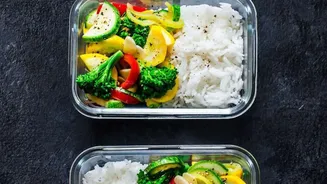
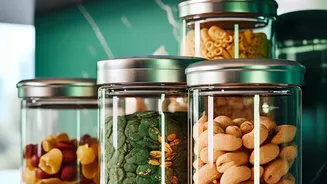
The single most effective step to combat monsoon spoilage is to upgrade your storage. Transfer all dry goods like rice, dal, atta, spices, and biscuits from their original packaging into airtight containers immediately after purchase. This prevents them from absorbing moisture from the air, which causes clumping, pest infestations, and mould. For grains and pulses, adding natural moisture absorbers like a few dried bay leaves or neem leaves can offer extra protection. In the refrigerator, don't overcrowd shelves, as this restricts air circulation. Store chopped vegetables and leftovers in sealed containers to maintain freshness and prevent cross-contamination.
A New Cleaning Regimen
During the monsoon, your regular cleaning routine needs an upgrade. Focus on keeping surfaces as dry as possible. Always wipe down countertops and the sink area after cooking or washing dishes to prevent standing water. Use an exhaust fan while cooking to pull steam and moist air out of the kitchen. Pay special attention to your kitchen dustbin, emptying it daily and ensuring its lid seals tightly to avoid attracting pests. It is also wise to deep clean kitchen drains weekly with a mixture of baking soda and vinegar to eliminate biofilm buildup that causes musty odours. Regularly defrosting your fridge, about every two weeks, prevents excess moisture buildup and bacterial growth.
Handling Fresh Produce
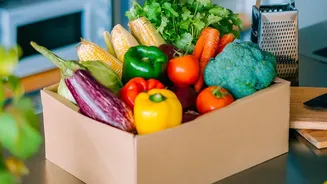
Fruits and vegetables are particularly vulnerable during the rainy season. They can carry dirt and harmful microorganisms from muddy conditions. It is essential to wash all produce thoroughly under clean, running water before consumption or storage. Some experts recommend adding a small amount of salt or vinegar to the water for a more thorough cleaning. After washing, it is crucial to dry leafy greens and other vegetables completely before refrigerating them, as storing them while wet accelerates spoilage. Avoid buying fresh produce in large quantities; instead, buy smaller amounts more frequently to ensure you are consuming it at its freshest.
Oils, Ghee, and Spices
Even pantry staples that seem stable can suffer in high humidity. Ghee's greatest enemy is moisture; even a tiny amount can cause it to deteriorate. Always use a completely dry spoon and keep the container lid shut tightly. Cooking oils are susceptible to oxidation, which is accelerated by temperature fluctuations common in the monsoon. Store them in a cool, dark place away from the stove. Spices should also be kept in airtight containers away from steam. Avoid opening jars directly over a boiling pot, as the rising steam can introduce moisture and compromise their flavour and longevity.