


What Is Slow Travel, Really?
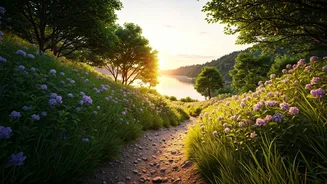
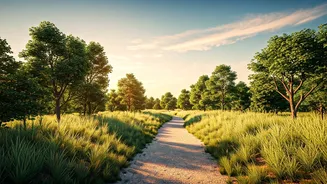
Forget the idea that ‘slow travel’ means taking a bullock cart to your destination. It’s not about the speed of your transport; it’s about the speed of your mind. At its heart, slow travel is a philosophy that rejects the ‘checklist’ approach to tourism.
Instead of rushing to see ten landmarks in two days, it’s about deeply connecting with one or two. It’s about choosing depth over breadth, quality over quantity. This movement prioritises immersion, sustainability, and authentic connection with a place, its culture, and its people. Think of it as the difference between speed-reading a book and savouring every chapter.
The Psychology of a 'Bigger' Holiday
Why does a frantic weekend disappear in a blur, while a slower one feels more substantial? It comes down to how our brains form memories. When we rush from one stimulus to another, our brain doesn't have time to encode distinct, rich memories. Everything blurs into a single, hurried event. Psychologists call this 'time compression.' Conversely, when we engage in novel, emotionally resonant experiences—like a long, unplanned conversation with a local artist or spending an entire afternoon in one charming café—our brain creates strong, detailed memories. The more new, vivid memories we make, the longer and more fulfilling the period of time feels in retrospect. Slow travel is essentially a hack for creating these high-quality memories.
Go Deep, Not Wide
This is the first and most important rule. For your next three-day trip, resist the urge to visit three different towns. Instead, pick one place—or even just one neighbourhood—and commit to exploring it thoroughly. Wake up without an alarm. Find a local bakery and make it your morning ritual. Visit the same park each day and notice how the light changes. By limiting your geography, you expand your capacity for observation. You’ll notice the small details that make a place unique, details that are invisible to the tourist who is simply passing through on their way to the next photo op. This focus transforms you from a visitor into a temporary resident.
Embrace Unscheduled Time
Our daily lives are ruled by calendars and to-do lists. A holiday should be an escape from that. One of the greatest gifts of slow travel is the permission to be spontaneous. Instead of packing your itinerary from dawn till dusk, leave entire afternoons or mornings completely empty. This 'empty space' is where travel magic happens. It’s the freedom to follow a winding alley just to see where it goes, to linger longer over a delicious meal, or to stumble upon a local festival you never knew was happening. Unscheduled time isn’t wasted time; it’s an investment in serendipity.
Travel Like a Local
To truly slow down and connect, step out of the tourist bubble. Ditch the pre-booked tour buses and try navigating the local public transport system. Eat where the locals eat—look for humble establishments with long queues of residents, not tourists. Shop at the local market instead of the souvenir megastore. Not only is this often more affordable, but it forces you to engage with the place on its own terms. You’ll learn a few words of the language, understand the local customs, and have interactions that are far more memorable than any pre-packaged experience.
Disconnect to Truly Reconnect
In the age of social media, there’s immense pressure to document every moment. But being a trip’s photographer and publicist is a full-time job that pulls you out of the present. A core tenet of slow travel is to disconnect from the digital world in order to reconnect with the real one. Put your phone on airplane mode for a few hours. Leave it in the hotel room when you go for a walk. Instead of framing the perfect Instagram shot, simply look. Absorb the sights, sounds, and smells. Be present with your travel companions, or with your own thoughts. The experience will be etched in your memory, not just your camera roll.