

Why Are Restrictions Back?
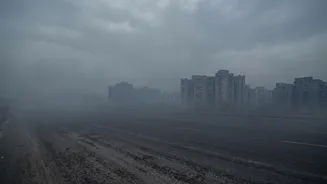
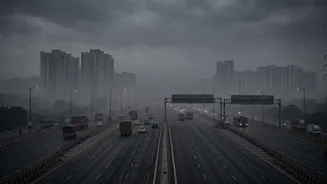
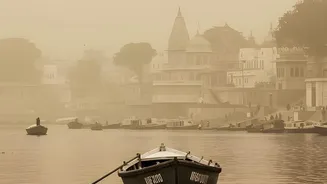
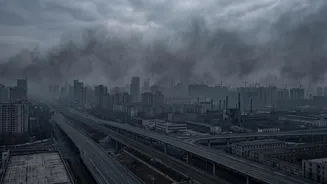
On October 21, Delhi's Air Quality Index (AQI) jumped significantly, moving from 'Moderate' (179) to 'Poor' (244) in just a day. By the morning of October 22, the AQI remained in the 'Poor' category at 226, with some areas like Jahangirpuri and Chandni
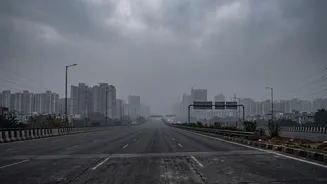
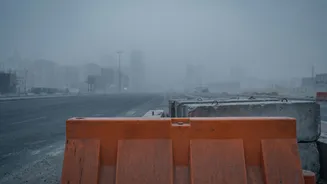
Chowk even touching 'Very Poor' levels. This decline is attributed to a combination of factors, including emissions from post-Dussehra celebrations, calm post-monsoon weather conditions that trap pollutants, and rising farm fires in neighbouring states. With forecasts predicting that the air quality is likely to remain poor, the Commission for Air Quality Management (CAQM) pre-emptively implemented the first stage of its anti-pollution plan.
What Exactly is GRAP?
Think of the Graded Response Action Plan (GRAP) as an emergency rulebook for fighting Delhi's pollution. Created in 2017 based on Supreme Court directives, it's a set of proactive measures that are enforced progressively as the air quality worsens. Instead of waiting for a public health emergency, the CAQM—a statutory body responsible for air quality in the region—activates different stages to control pollution at its source. The plan is divided into four stages, each tied to a specific AQI bracket: Stage 1 ('Poor': AQI 201-300), Stage 2 ('Very Poor': AQI 301-400), Stage 3 ('Severe': AQI 401-450), and Stage 4 ('Severe+': AQI above 450). The measures are cumulative, meaning rules from the previous stage remain in effect if a higher stage is activated.
Stage 1 Rules: What Changes for You
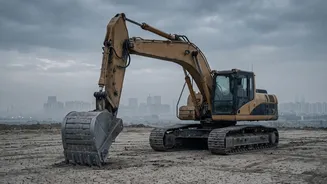
Stage 1 focuses heavily on controlling dust and specific high-emission activities. For the general public, the most visible changes will be increased mechanised sweeping of roads, regular water sprinkling, and stricter enforcement of Pollution Under Control (PUC) certificate norms for all vehicles. Visibly polluting vehicles can be penalised or impounded. The existing ban on petrol vehicles older than 15 years and diesel vehicles older than 10 years will be strictly enforced, but there is no 'odd-even' rule or general ban on private cars at this stage. For businesses, the restrictions are more targeted. Construction and demolition activities on sites larger than 500 square metres must halt if they are not registered on the government web portal and compliant with dust control norms. Eateries, hotels, and restaurants can no longer use coal or firewood in their tandoors. Furthermore, the use of diesel generator sets is now restricted to essential and emergency services only.
Impact on Transport and Industry
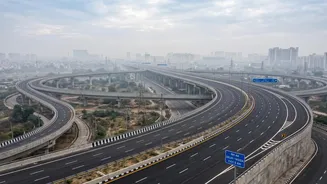
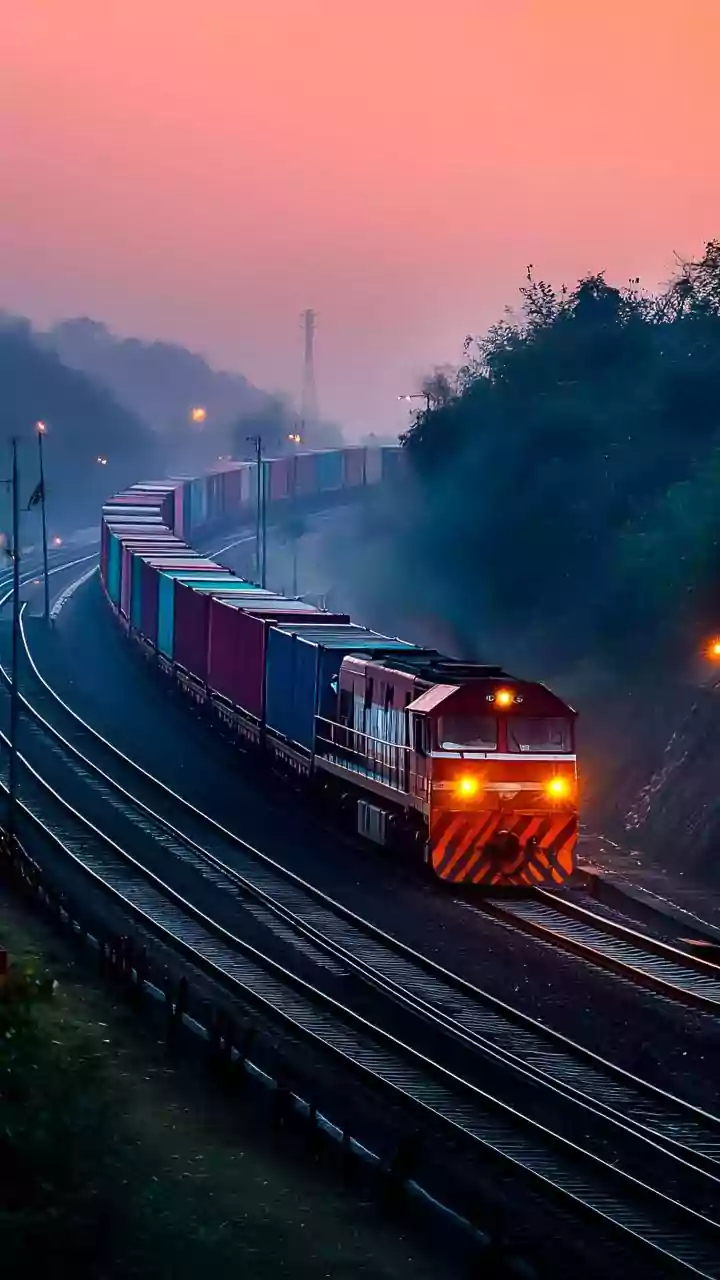
The Stage 1 rules also tighten regulations for transport and industrial units. Trucks that are not destined for Delhi will be diverted around the city using the Eastern and Western Peripheral Expressways to reduce vehicular load. Interstate buses from neighbouring states like Haryana, Uttar Pradesh, and Rajasthan can only operate in Delhi-NCR if they are electric, CNG-powered, or compliant with BS-VI diesel norms. Industrial units are under strict orders to use only approved fuels and adhere to emission standards, with non-compliant units facing action. Thermal power plants within a 300 km radius of Delhi are also required to meet emission norms. These coordinated efforts aim to curb pollution from multiple major sources simultaneously before the situation deteriorates further.