

The Power of Cruciferous Vegetables
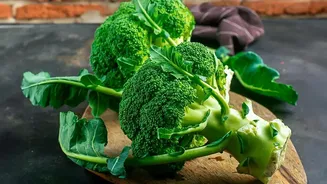
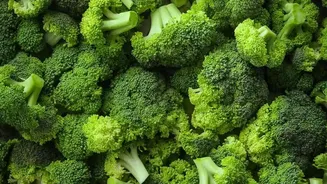
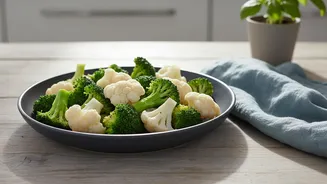
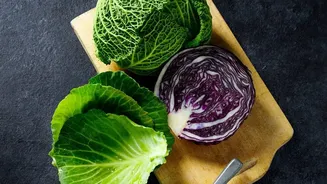
First, let's talk about why we love these vegetables in the first place. The cruciferous family includes broccoli, cauliflower, cabbage, kale, and Brussels sprouts, all of which are staples in many Indian kitchens. They are celebrated not just for their
versatility but for being packed with vitamins, fibre, and unique compounds called glucosinolates. When we chop or chew these vegetables, an enzyme called myrosinase converts glucosinolates into potent substances like sulforaphane. These compounds are lauded for their antioxidant and anti-inflammatory properties and are believed to play a role in protecting our cells and promoting overall health. Getting the most out of these beneficial compounds is key to unlocking the full potential of your vegetables.
The Heat Problem with Stir-Frying
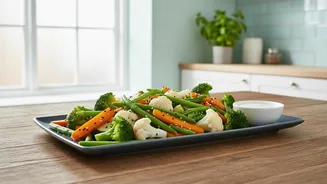
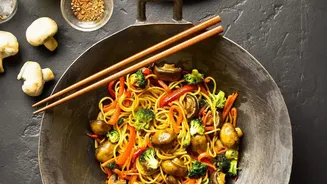
Stir-frying involves cooking food quickly in a little oil over high heat. It’s a technique beloved for its speed and ability to create crisp-tender vegetables. However, that high heat is precisely where the trouble begins for cruciferous vegetables. Scientific studies have shown that high-temperature cooking methods can be detrimental to their delicate nutrients. The myrosinase enzyme, which is crucial for creating health-promoting sulforaphane, is very sensitive to heat and gets destroyed quickly. Furthermore, research indicates that stir-frying can lead to significant losses of other key antioxidants, including vitamin C and the glucosinolates themselves. One study found that stir-frying broccoli resulted in a 24% loss of vitamin C and a substantial 67% loss of indole glucosinolates.
How Other Cooking Methods Compare
So, if stir-frying poses a problem, what are the alternatives? Research consistently points to one clear winner for nutrient retention: steaming. Multiple studies have shown that steaming broccoli, for example, causes minimal loss of vitamin C and glucosinolates. In fact, some studies suggest steaming for 1 to 3 minutes can even enhance the availability of sulforaphane compared to eating it raw. Microwaving also performs relatively well due to its short cooking time, preserving more nutrients than higher-heat or longer-duration methods. On the other end of the spectrum is boiling. Submerging vegetables in water leads to water-soluble nutrients like vitamin C and glucosinolates leaching out, with some studies showing losses of over 50%. While stir-frying is better than boiling, it still falls short of steaming when it comes to preserving these specific antioxidants.
Smarter Ways to Cook Your Greens
This doesn't mean you have to abandon your wok entirely. The goal is to cook smarter, not necessarily to stop stir-frying. If you do stir-fry, keep the cooking time as short as possible. A quick toss for a few minutes is better than a prolonged cook. One study noted that a very short stir-fry of 3-5 minutes didn't cause a significant change in glucosinolate content. Another clever technique is to "chop and wait." By chopping your cruciferous vegetables about 40-45 minutes before cooking, you allow the myrosinase enzyme time to work its magic and produce sulforaphane before the heat can destroy the enzyme. You can also try a hybrid method, like a "steam-fry," where you add a splash of water or broth to the pan and cover it for a minute or two, effectively steaming the vegetables before a final, quick stir-fry. This reduces the overall high-heat exposure while still achieving a desirable texture.