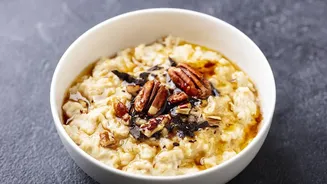







The Batch-Cooking Advantage
Steel-cut oats are a powerhouse of nutrition, packed with fibre, protein, and essential minerals that provide sustained energy. Their low glycemic index helps manage blood sugar, keeping you full and focused. Unlike rolled or instant oats, steel-cut oats are minimally
processed, which means they retain more of their hearty texture and nutty flavour. The main drawback is the cooking time, which can be 25 minutes or more. By cooking a large batch once a week, you get all the health benefits without the daily hassle. It’s a simple meal-prep strategy that guarantees a warm, wholesome breakfast is always just a few minutes away, even on the most hectic mornings.
Getting the Cook Right
The secret to great batch-cooked oats is nailing the initial preparation. The goal is to cook them until they are tender but still have a slight chew, as they will continue to soften during storage and reheating. A common mistake is overstirring, which releases too much starch and results in a gummy texture. For a creamier result, some methods suggest toasting the dry oats in a little butter or coconut oil for a minute or two before adding liquid to enhance their nutty flavour. A reliable starting ratio is one part steel-cut oats to three or four parts liquid (water, milk, or a combination). Cook on a low simmer, stirring only occasionally to prevent sticking. For an even easier method, an Instant Pot or pressure cooker can deliver consistent results in a fraction of the time.
The Crucial Cool-Down
Once your oats are cooked, how you cool them is critical. Allowing the porridge to cool completely at room temperature before refrigerating is non-negotiable. Placing a large, hot container directly into the fridge can trap steam, creating excess moisture that leads to a watery, separated texture. It also raises the ambient temperature of your refrigerator, potentially affecting other foods. Spread the cooked oats in a shallow dish to speed up the cooling process. Let them sit for up to two hours, then transfer them to an airtight container. This simple step ensures your oats maintain the best possible consistency.
Storage: Refrigerator vs. Freezer
Cooked steel-cut oats have an excellent shelf life. Stored in an airtight container, they will last for up to five days in the refrigerator. For longer-term storage, the freezer is your best friend. Freezing is an ideal way to portion out individual servings. One popular technique is to spoon the cooled oatmeal into muffin tins. Once frozen solid, you can pop out the 'oatmeal pucks' and store them in a freezer bag for up to three months. This method allows you to grab exactly what you need for a single breakfast without having to defrost a large batch.
The Art of the Reheat
Reheating is where many make-ahead oat plans go awry. Cold steel-cut oats become very thick and solid. The key to reviving them is to add a splash of liquid—water, milk, or a plant-based alternative—to restore their creamy texture. For the stovetop, place the oats in a small saucepan with a little liquid and warm over low heat, stirring gently until smooth and hot. In the microwave, place a portion in a bowl, add your liquid, and heat in 60-second intervals, stirring in between, until it reaches the desired temperature. Adding the liquid is essential to create steam and prevent the oats from becoming dry or rubbery.