








The Engines Behind the Growth
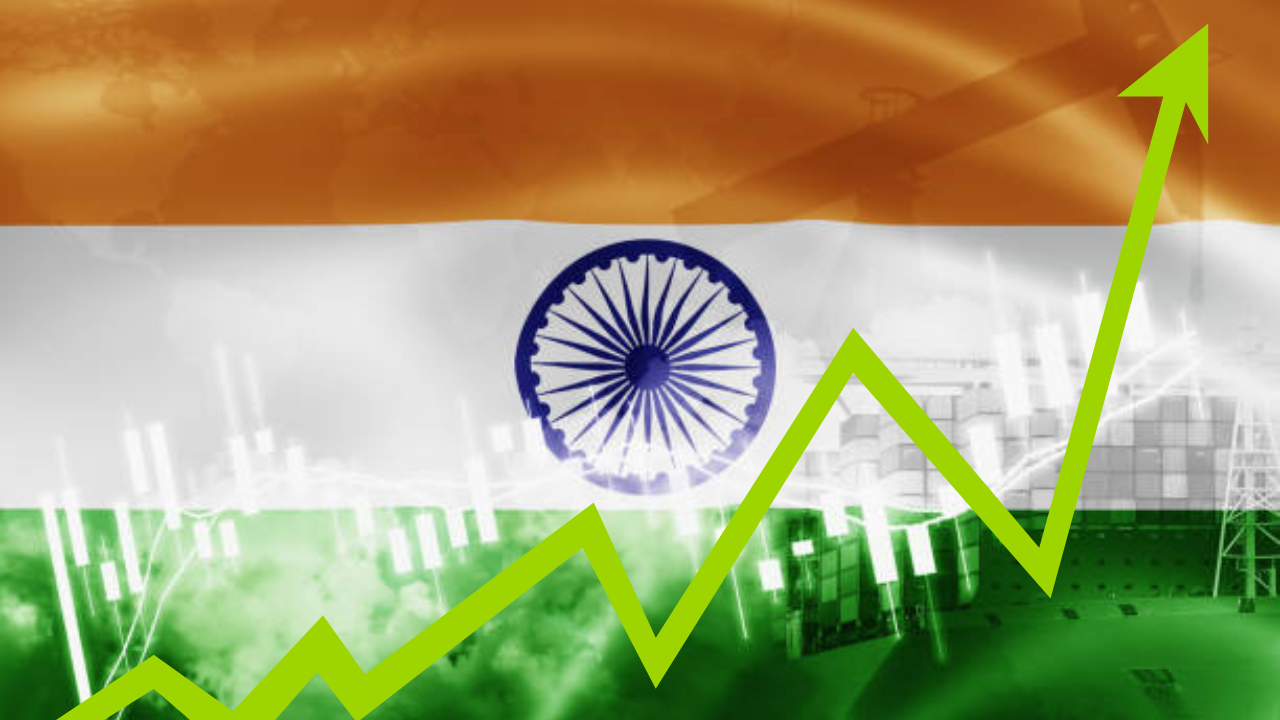
The latest figures show a broad-based expansion, not reliant on a single pillar. The services sector, a traditional powerhouse, grew by a remarkable 10%. Within this, financial, real estate, and professional services surged by 12.1%. The industrial sector also
showed robust health, growing at 8.6%, with manufacturing expanding by a strong 9.2%. Even agriculture posted a respectable 3.6% growth. This well-rounded performance suggests an economy with multiple drivers, capable of withstanding shocks in any single area. However, the key question is whether these booming sectors are the ones that hire in large numbers.
The Specter of 'Jobless Growth'
Impressive GDP figures don't always lead to a corresponding boom in employment. This phenomenon, known as 'jobless growth', occurs when economic output rises but job creation remains flat or insufficient. The issue often lies in how the economy grows. If growth is driven by capital-intensive sectors that rely more on technology and machinery than on people, it can lead to higher productivity and profits without absorbing the millions of new entrants into the workforce each year. For decades, India has seen a decline in employment elasticity, meaning each percentage point of GDP growth creates fewer jobs than it used to. This is the central challenge facing the Indian economy today.
A Crisis of Quality, Not Just Quantity
While the headline unemployment rate might seem low, it masks a deeper problem of underemployment and poor job quality. A vast majority of India's workforce, around 90%, is employed in the informal sector, often in self-employed roles or as unpaid family helpers, which lack security, benefits, and stable income. The growth in recent years has been concentrated in low-productivity sectors like agriculture and construction. At the same time, traditionally labor-intensive manufacturing sectors like apparel and leather have seen their competitiveness decline. This creates a 'missing middle' where there are not enough well-paying, formal sector jobs for the country's increasingly educated youth.
The Educated Unemployed Paradox
A particularly worrying trend is that unemployment in India rises with education levels. Unemployment among graduates is stubbornly high, with some estimates suggesting around four out of ten young graduates actively looking for work cannot find it. In 2026, India is home to the world's largest youth population, at approximately 36.8 crore. However, a significant mismatch exists between the skills graduates possess and the needs of modern industries. This skills gap, combined with a lack of sufficient formal job creation, leaves millions of young, aspirational Indians in a frustrating limbo between their classrooms and their careers.
Forging a Path to Gainful Employment
Translating GDP growth into jobs requires a deliberate policy shift. Experts argue that India must prioritize and nurture labor-intensive manufacturing sectors that can absorb a large workforce. This includes industries like textiles, footwear, and furniture, which have historically been major employers. Alongside this, there is an urgent need to reform the education system to align curricula with industry demands and to scale up high-quality vocational training and apprenticeship programs. Government initiatives like the Production-Linked Incentive (PLI) scheme aim to boost manufacturing, but their focus on capital-intensive sectors means the cost per job created can be high. Ultimately, the focus must move beyond headline growth to ensure that economic expansion is inclusive, sustainable, and capable of providing a prosperous future for India's demographic dividend.