




The Pilot's Control: Skill Over Automation
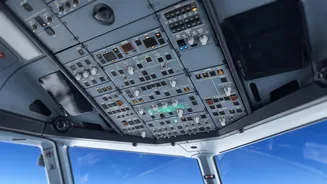
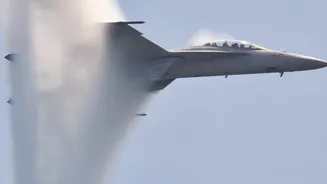
In the cockpit, pilots train for countless scenarios, but their most crucial skill is maintaining control when things go wrong. While modern jets are heavily automated, an emergency often requires a pilot to take manual control and make split-second decisions.
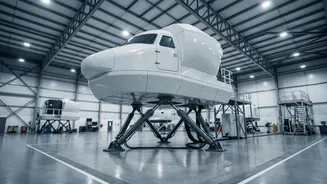
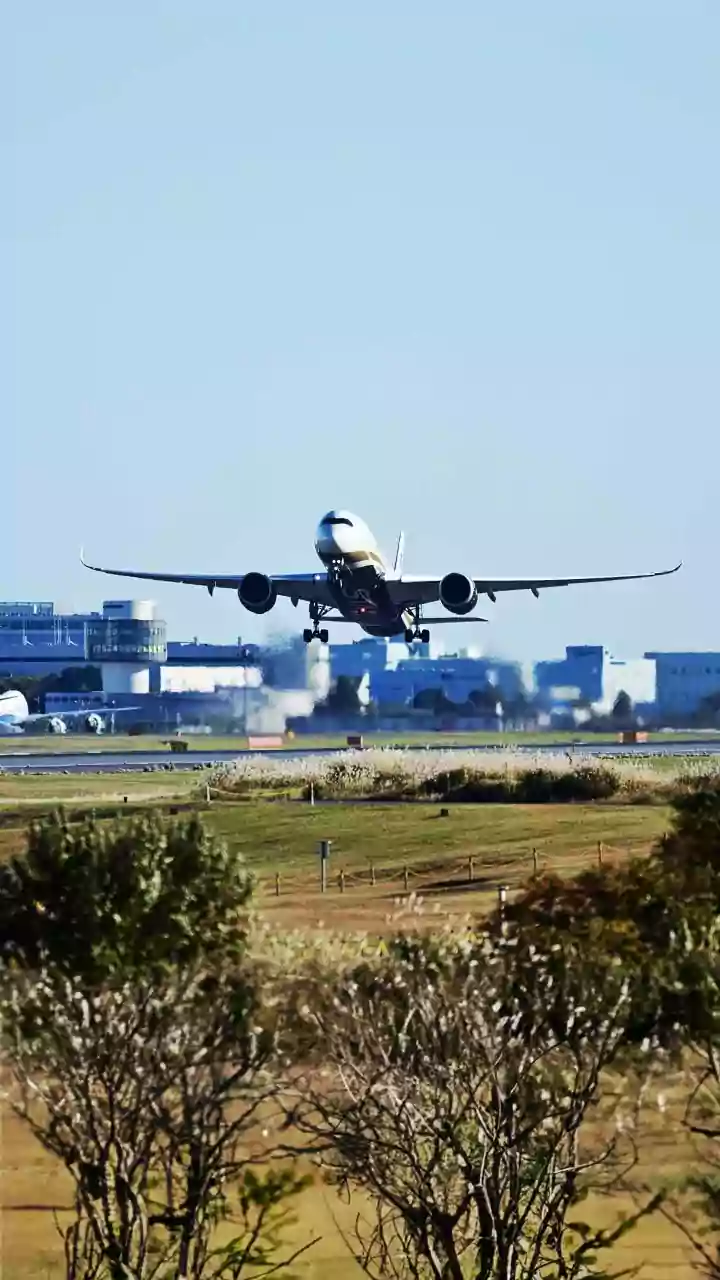
This was tragically highlighted in the 2016 crash of Flydubai Flight 981 in Rostov-on-Don. The investigation found that after aborting a landing in bad weather, the crew likely experienced spatial disorientation, a state where a pilot's sense of direction and orientation becomes disconnected from reality. This led to incorrect control inputs and a catastrophic loss of control. The incident underscores why rigorous training on manual flying, upset recovery, and recognizing cognitive traps like spatial disorientation is non-negotiable. Pilots rely on their instruments and deep knowledge of the aircraft's performance to overcome misleading physical sensations and fly the plane safely.
Communication: The Vital Link
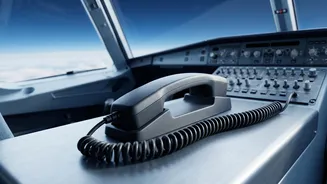
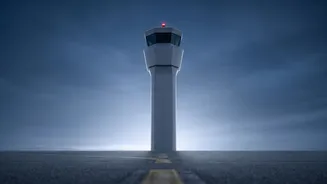
A cockpit is a place of constant, structured communication. The system designed to manage this is called Crew Resource Management (CRM). CRM training encourages a less authoritarian cockpit, where the first officer is empowered to question the captain if they spot a mistake. It extends beyond the flight deck to include dialogue with cabin crew and, critically, Air Traffic Control (ATC). When an emergency is declared, ATC becomes a vital external resource. Controllers clear airspace, provide vectors to the nearest suitable airport, and coordinate with emergency services on the ground, all while the pilots focus on flying. Standardized phrases like "Mayday" (for distress) and "Pan-Pan" (for urgency) instantly convey the level of danger, ensuring there is no ambiguity. This clear, calm, and concise flow of information is the lifeline that connects the aircraft to the support network on the ground.
Crew Response: Safety Professionals First
While passengers see cabin crew serving drinks and meals, their primary role is safety. They are highly trained safety professionals who execute drilled procedures in an emergency. Their training covers everything from firefighting and medical emergencies to managing a cabin during rapid depressurization or preparing for an evacuation. The goal is to turn potential chaos into a controlled environment. A recent incident on September 30, 2026, aboard Flydubai flight FZ1073, dramatically illustrated this. Following a reported violent altercation in the cockpit, it was the swift intervention of crew and passengers that helped secure the aircraft, allowing it to divert and land safely. This event shows that the crew's ability to assert authority, give clear commands, and manage passengers under extreme stress is just as critical as the actions of the pilots.
An Interlocking System of Safety
These three elements—control, communication, and crew response—do not work in isolation. They form an interlocking system. The pilots use CRM to communicate their plan, the cabin crew prepares the cabin based on that information, and ATC clears the path. A breakdown in one area compromises the others. For example, if the pilots lose situational awareness (control), they cannot communicate the problem effectively. If communication fails, the cabin crew and ATC are left in the dark. If the cabin crew cannot maintain order, it can distract the pilots at a critical moment. Every flight's safety rests on this synergy, which is reinforced through constant, realistic training. The procedures are designed to be a reliable backstop for human fallibility, ensuring that even in the most unexpected crises, there is a clear and tested path toward a safe resolution.