



More Than Just an Ugly Stain
That musty smell or patch of discoloured paint might seem like a minor annoyance, but it's often a sign of a bigger problem. Damp environments are breeding grounds for mould and mildew, which can release spores into the air. Exposure to these can trigger
a range of health issues, including nasal stuffiness, throat irritation, coughing, and wheezing. For people with asthma or allergies, the effects can be more severe, and studies have even linked damp indoor environments to the development of respiratory problems in otherwise healthy individuals. What you can't see behind the walls can pose a genuine risk to your well-being.
Protecting Your Security Deposit
Beyond the health implications, damp-related damage can become a major point of contention when it's time to move out. Landlords can deduct from your security deposit for damages that go beyond normal wear and tear. While structural issues and major leaks are typically the landlord's responsibility, disputes can arise over who is at fault. If you fail to report a leak or damp patch promptly, a landlord might argue that your negligence worsened the problem. Documenting the state of the property now creates a clear record and protects you from being unfairly blamed for pre-existing issues or damage that occurred during the heavy rains.
Your Post-Monsoon Inspection Checklist
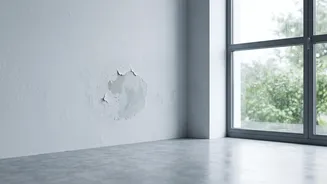
A thorough inspection doesn't have to take all day. Focus on key areas where water is most likely to cause trouble. Start by checking walls and ceilings for brown or yellowish stains, bubbling or peeling paint, and soft spots in the drywall. Don't just look—use your sense of smell. A persistent musty or earthy odour is a tell-tale sign of hidden moisture, even if you can't see a stain. Pull back rugs and check behind large furniture and in the corners of cupboards and closets, as these enclosed spaces trap moisture and are prime spots for mould growth. Examine the seals around windows and doors for any signs of leaks or water ingress.
Found a Problem? How to Report It
If your inspection reveals any issues, your next step is to document everything thoroughly before contacting your landlord. Take clear photos and videos of the affected areas. Then, notify your landlord in writing. An email, SMS, or WhatsApp message creates a formal record of your communication. In your message, clearly and politely describe the problem, attach your photos, and mention your rental agreement's clauses on repairs if applicable. Most rental agreements in India state that landlords are responsible for major structural repairs. A written record is your best protection if the issue isn't addressed promptly or if it leads to a dispute later.
Simple Steps for a Drier Home
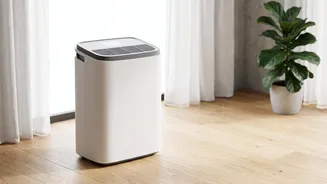
While you wait for any necessary repairs, you can take simple steps to improve air quality and reduce dampness. Increase ventilation by opening windows and doors for a few hours each day, especially on sunny, dry days. Use exhaust fans in the kitchen and bathroom to expel moist air. Wiping condensation off windows and walls can also help. If you have any damp clothes or towels, avoid drying them indoors, as this releases a significant amount of moisture into the air. Keeping the humidity level low is one of the most effective ways to prevent mould from establishing itself in the first place.