




From Adventure Hub to Digital Nomad Haven
For years, Bir Billing was synonymous with the adrenaline rush of paragliding over the Kangra Valley. But a quieter revolution has been unfolding on the ground. The global shift towards remote work has drawn a new crowd: developers, designers, and digital
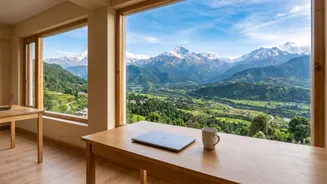
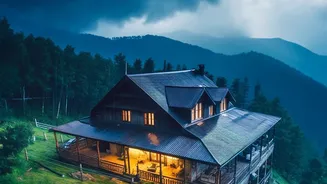
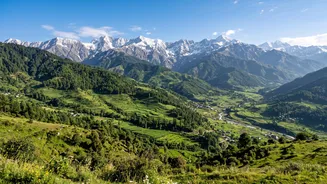
marketers trading chaotic city life for the serene productivity of the mountains. What started as a destination for adventure sports has organically evolved into a sought-after 'workation' spot. Professionals come for the thrill but find themselves staying for the unique work-life rhythm, where deadlines are met against a backdrop of monasteries and lush green landscapes. This shift isn't accidental; it’s a response to a growing desire among young professionals to find a better balance, avoid burnout, and integrate their work with a more fulfilling lifestyle.
The New Essentials: Fibre, Power, and Community
Creating a functional workspace in the mountains requires more than just a stunning view. Hostels in Bir have recognized that for a techie, reliable infrastructure is non-negotiable. Many have invested heavily in robust digital setups, offering high-speed fibre optic internet, often with multiple backup lines to ensure connectivity even during monsoon season. Power cuts, a common issue in hilly areas, are handled with generators and UPS backups, ensuring that a professional's workflow is never interrupted. Some hostels, designed specifically for remote workers, provide dedicated coworking areas with ergonomic chairs and spacious desks, separating the work environment from social spaces. This focus on practical needs has been crucial in making long-term stays not just possible, but productive.
A Vibrant Ecosystem of Collaboration
What truly makes Bir’s hostel scene vibrant is the sense of community. Unlike isolated guesthouses or formal hotels, these spaces are designed to foster connection. They become melting pots for like-minded individuals from diverse tech fields, leading to spontaneous collaborations, skill-sharing sessions, and networking opportunities. Hostels often organize community dinners, rooftop jam sessions, weekend treks, and movie nights, creating an environment where it's easy to meet people. This social fabric is a powerful antidote to the loneliness that can sometimes accompany remote work. It transforms a solo work trip into a shared experience, where colleagues are also hiking partners and friends.
Work-Life Integration, Not Just Balance
The appeal of Bir for tech professionals goes beyond good Wi-Fi and cheap accommodation. The lifestyle offers a seamless integration of intense work and mindful leisure. A typical day might involve a few hours of focused coding, followed by a lunch of local Himachali or Tibetan food, and an afternoon spent hiking to a nearby waterfall or simply watching the paragliders land. This rhythm allows for deep work sprints, energized by the clean mountain air and the promise of adventure just steps away. It’s a setup that appeals to a generation of workers who are rejecting the traditional 9-to-5 grind and seeking a more holistic way of living and working. The ability to close a laptop and immediately immerse oneself in nature is a luxury that city life rarely affords.