




A Village Guarded by Buddha
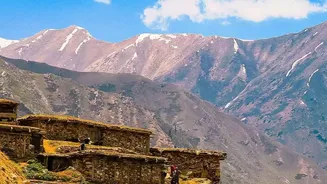
Langza is a place that seems suspended in time. Known for the ancient marine fossils found scattered across its barren landscape, it’s often called the “Fossil Village of India.” A giant, serene statue of the Lord Buddha overlooks the valley, a symbol
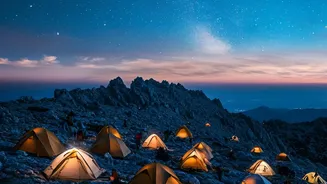
of peace in this starkly beautiful environment. Its remote location, high altitude, and lack of urban development mean that it has minimal light pollution, creating near-perfect conditions for stargazing. The dry, thin air at this elevation results in exceptionally clear skies, allowing for dazzling views of the cosmos that are impossible to see from cities.
The Rise of Astro-Tourism
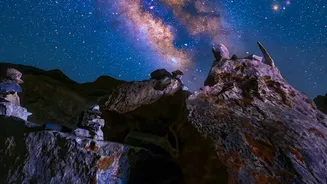
Astro-tourism is a growing global trend where travelers seek out pristine, dark locations specifically to observe the night sky. As light pollution blankets urban and suburban areas worldwide, destinations like Spiti Valley are becoming rare sanctuaries for celestial wonder. Here, the Milky Way isn't a faint smudge but a brilliant band of light stretching across the heavens, often visible to the naked eye. Recognizing this natural advantage, the community in Langza, with support from state initiatives, has begun to embrace this new form of tourism. The goal is not just to attract visitors but to do so in a way that is economically and environmentally sustainable.
Community at the Center
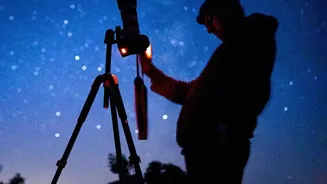
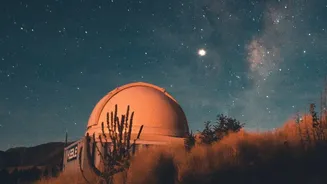
The key to Langza's approach is community empowerment. Instead of large corporations moving in, the model is built around local residents. Recently, the Himachal Pradesh government launched a program to promote astro-tourism in Spiti, providing high-end, computerized telescopes to local entrepreneurs in villages including Langza and nearby Kaza. This initiative enables residents, including homestay owners and local youth, to become trained guides. They host night sky observation sessions for tourists, sharing both scientific knowledge and local stories. This creates a new, viable source of income that complements traditional livelihoods like agriculture and integrates seamlessly with the existing homestay culture.
A Sustainable Blueprint
The sustainability of this model lies in its low-impact nature. Astro-tourism requires preserving the darkness, which naturally discourages excessive, light-polluting infrastructure. It relies on small-scale, local hospitality, with tourists staying in traditional homestays, eating local food, and directly contributing to the village economy. This approach ensures that tourism revenue stays within the community, fostering a sense of ownership and pride. Furthermore, by providing an economic incentive to protect the night sky, it encourages conservation. The initiative is backed by a partnership between government bodies and scientific institutions like the Indian Institute of Astrophysics to ensure long-term technical guidance and sustainability.