





The Foundation of Smart Bulk Buying: Know Thyself
Before you even step into a wholesale club or load up your online cart, the most critical step is to understand what your household actually consumes. This isn't about guesswork; it's about data. For a week or two, keep a running list of everything your family
uses, from pantry staples to cleaning supplies. Track not just the items, but the quantities. How much rice, dal, and flour do you go through in a month? How many rolls of paper towels? This simple act of tracking creates a realistic baseline. Without this knowledge, you are shopping based on perceived needs, which often leads to overbuying. Creating a budget based on your income and typical expenses is a crucial next step. Financial experts often suggest that food expenses should constitute a specific percentage of your take-home pay, but this needs to be tailored to your family's size and needs. This consumption audit will be your most powerful tool against impulse buys and wasted money.
Develop a Strategic Shopping List
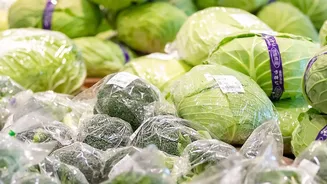
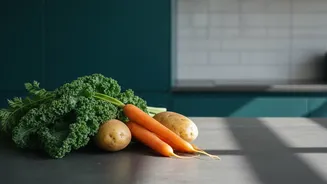
Once you know your consumption rate, you can build a strategic bulk shopping list. The goal is to focus on items that are used frequently and have a long shelf life. These are your 'safe' bulk buys. Think non-perishable goods like canned beans, dried pasta, rice, oats, and certain cooking oils. These items are unlikely to spoil before you can use them, ensuring your investment pays off. Conversely, be wary of perishable items. A giant bag of spinach or a crate of avocados is only a good deal if you have a concrete plan to use it all before it spoils. For perishables, it's often wiser to buy smaller quantities more frequently. Your list should also factor in your available storage space. Buying in bulk is pointless if you don't have a proper place to keep everything.
Mastering the Art of Storage
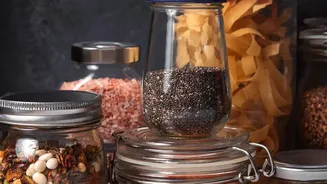
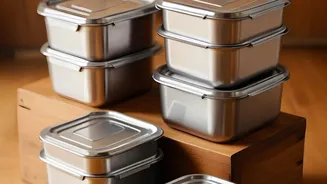
Proper storage is the key to making bulk purchases last. The biggest enemies of dry goods are oxygen, heat, light, and moisture. Storing items in a cool, dark, and dry place like a pantry, away from the stove or sunny windows, is essential for maintaining quality. For many staples like grains, lentils, and flours, it’s best to transfer them from their original packaging into airtight containers. This not only protects them from pests but also makes your pantry more organized and saves space. Glass jars or food-grade plastic containers work well for items you access regularly. For long-term storage, consider vacuum-sealing portions of food before freezing, which prevents freezer burn and extends shelf life significantly. Labelling every container with the contents and the date of purchase helps you practice the 'first in, first out' method, ensuring older items get used before newer ones.
What to Buy and What to Skip
Not all bulk deals are created equal. The best items to buy in large quantities are those with a stable shelf life that you use consistently. This includes pantry staples, canned goods, cleaning supplies, and paper products. Spices can be a tricky category; while they don't spoil, they lose their potency and flavour over time, so a gigantic container might not be the best value unless you cook for a large group frequently. Similarly, items like cooking oils and nuts can go rancid, so assess your usage rate honestly before committing. Products with a looming expiration date, such as dairy, some condiments, and bread, are generally poor candidates for bulk buying unless you have a large family or plan to freeze them. Also, avoid buying a huge quantity of a new product you haven't tried before; buy a small size first to see if your family even likes it.