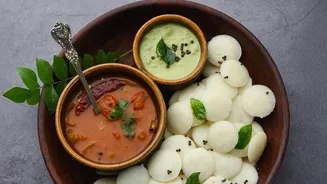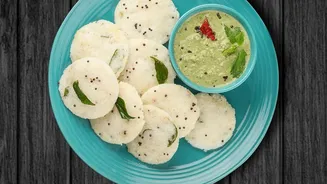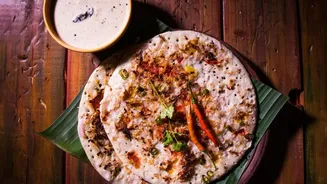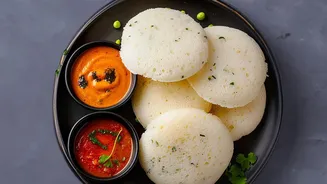








The Living Magic Inside the Batter
At its heart, natural fermentation is a metabolic process where microorganisms like bacteria and yeast convert carbohydrates into alcohols, gases, or acids. In batters for foods like dosa or idli, a mix of rice and lentils is soaked and ground, creating
the perfect environment for beneficial microbes, particularly lactic acid bacteria such as Lactobacillus, to flourish. These are the “good” bacteria that get to work, breaking down the starches and proteins in the batter. This process not only preserves the food but also transforms it into something more flavourful, digestible, and profoundly nourishing. Unlike modern instant mixes that often use chemical leavening agents, traditional fermentation relies entirely on these natural microbial cultures to do the work.
A Direct Boost for Your Gut Microbiome
The trillions of microbes living in your digestive tract, collectively known as the gut microbiome, are crucial for everything from digestion to immunity. Fermented foods are a prime source of probiotics, which are live beneficial bacteria that help maintain a healthy balance in your gut. When you eat a traditionally prepared dosa or idli, you're directly introducing these helpful bacteria into your system. These probiotics can help restore the natural flora of your gut, which can be disrupted by stress, poor diet, or antibiotics. A balanced gut microbiome aids in smoother digestion, helps prevent issues like bloating and constipation, and strengthens the gut lining to protect against harmful pathogens.
Unlocking Nutrients for Better Absorption
One of the most significant benefits of fermentation is its ability to increase the bioavailability of nutrients. This means it makes vitamins and minerals locked within the food easier for your body to absorb and use. Grains and legumes contain compounds known as “anti-nutrients,” like phytic acid, which can bind to minerals such as iron, zinc, and calcium, preventing their absorption. The fermentation process is highly effective at breaking down phytic acid. As the bacteria work, they produce enzymes that neutralize these anti-nutrients. This process can also synthesize new nutrients. For instance, fermentation is known to increase the levels of B-complex vitamins, including B12, which is vital for nerve function and energy production.
Making Food Easier to Digest
If you've ever felt that fermented foods like idli feel “lighter” on the stomach, you’re not imagining it. The microbes in the batter essentially pre-digest the food for you. They break down complex carbohydrates and proteins into simpler, more easily digestible forms. This reduces the workload on your digestive system, which is why these foods are often recommended for people with sensitive stomachs or digestive sluggishness. By breaking down the food's complex structures before you even take a bite, fermentation helps your body access and utilize the energy and nutrients more efficiently, without the common feeling of heaviness or discomfort.