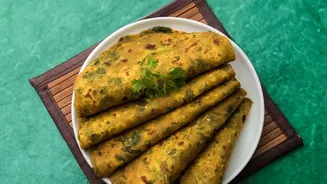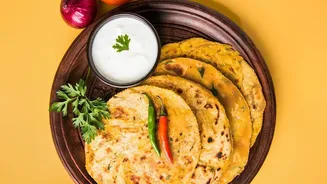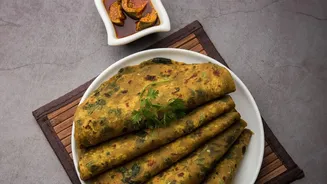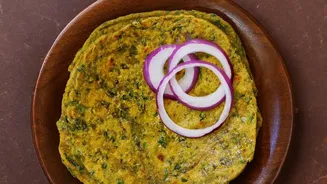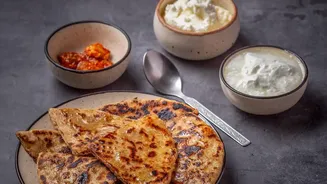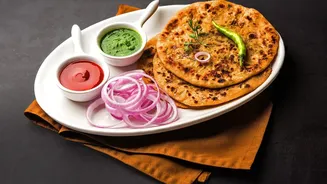





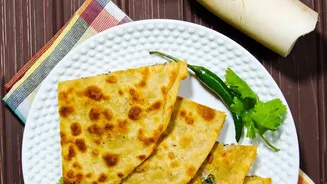

As the air turns crisp, kitchens across India turn to hearty, warming meals. This Sorghum-Radish Paratha offers a healthy, flavourful twist on a winter classic, combining nutrient-rich jowar with the sharp, peppery notes of seasonal mooli.
A Perfect Pairing of Health and Flavour
This recipe
is more than just a seasonal treat; it's a powerhouse of nutrition. Sorghum, or jowar, is a celebrated gluten-free grain packed with essential nutrients. It's rich in dietary fibre, which aids digestion, helps manage blood sugar levels, and keeps you feeling full for longer. Sorghum also provides a good amount of protein, iron, and magnesium, making it an excellent alternative to wheat flour. Radish, or mooli, is the star of the show when it comes to flavour. This humble root vegetable, abundant in winter, has a sharp, slightly spicy taste that cuts through the earthy notes of the jowar. Radish is known for its digestive and detoxifying properties. It's high in fibre and vitamin C, supporting gut health and immunity. Together, jowar and mooli create a balanced, satisfying, and deeply flavourful flatbread.
Gather Your Ingredients
This recipe yields approximately 8-10 parathas. For the Dough: 1.5 cups jowar (sorghum) flour 1 cup hot water (use the water from the radish if possible) 1 teaspoon oil or ghee Salt to taste For the Radish Filling: 2 cups grated white radish (mooli) 1-2 green chillies, finely chopped 1-inch piece of ginger, grated 1/4 cup fresh coriander leaves, finely chopped 1/2 teaspoon ajwain (carom seeds) 1/2 teaspoon red chilli powder (optional) 1/4 teaspoon turmeric powder Salt to taste (to be added just before stuffing) * Ghee or oil for cooking
Step 1: Prepare the Radish Filling
The most crucial step in making perfect mooli parathas is managing the moisture from the radish. Start by placing the 2 cups of grated radish in a bowl and sprinkling it with about half a teaspoon of salt. Let it sit for 15-20 minutes. You will notice a significant amount of water has been released. Using your hands or a muslin cloth, squeeze the grated radish firmly to remove as much water as possible. Reserve this nutritious radish water to knead the dough later. In a separate bowl, combine the squeezed radish with the finely chopped green chillies, grated ginger, coriander leaves, ajwain, red chilli powder, and turmeric. Mix everything well but do not add salt to the main filling mixture yet. Salting the filling too early will cause it to release more water and make the parathas difficult to roll.
Step 2: Knead the Jowar Dough
Working with jowar flour can be different from wheat flour as it's gluten-free. Using hot water is key to making a soft, pliable dough. In a large mixing bowl, add the jowar flour and a pinch of salt. Take the reserved radish water and add enough hot water to it to make one cup. Slowly add this hot liquid to the flour, mixing with a spoon initially as it will be hot. Once it's cool enough to handle, add a teaspoon of oil or ghee and knead for 5-7 minutes until you have a smooth, soft dough. Cover the dough with a damp cloth and let it rest for 15-20 minutes. This resting period allows the flour to hydrate properly.
Step 3: Assemble and Cook the Parathas
Divide the dough into 8-10 equal-sized balls. Take one ball and flatten it slightly with your palms. Using your fingers, create a small cup or bowl shape. Place about 1-2 tablespoons of the radish filling into the centre. Sprinkle a pinch of salt over the filling before sealing. Gently bring the edges of the dough together to cover the filling and pinch them tightly to seal. Flatten the stuffed ball carefully. Dust it lightly with some jowar flour and roll it out gently into a 5-6 inch circle. Don't press too hard, as this can cause the filling to break through the dough. Heat a tawa or flat pan over medium heat. Place the rolled paratha on the hot tawa. Cook for about a minute or until you see small bubbles form. Flip it, apply a little ghee or oil, and cook the other side. Flip again, apply ghee to the first side, and press gently with a spatula until both sides are golden brown and crisp. Repeat the process for all the parathas.