

Saturn Shines Brightest
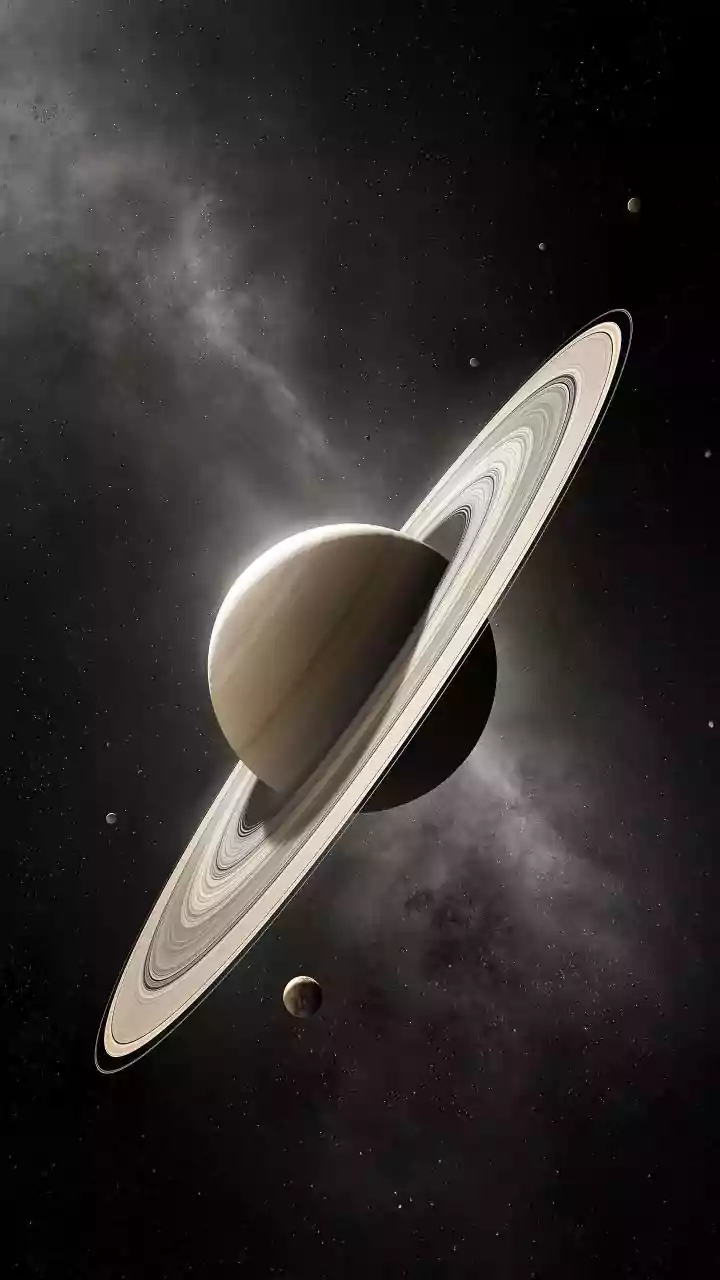
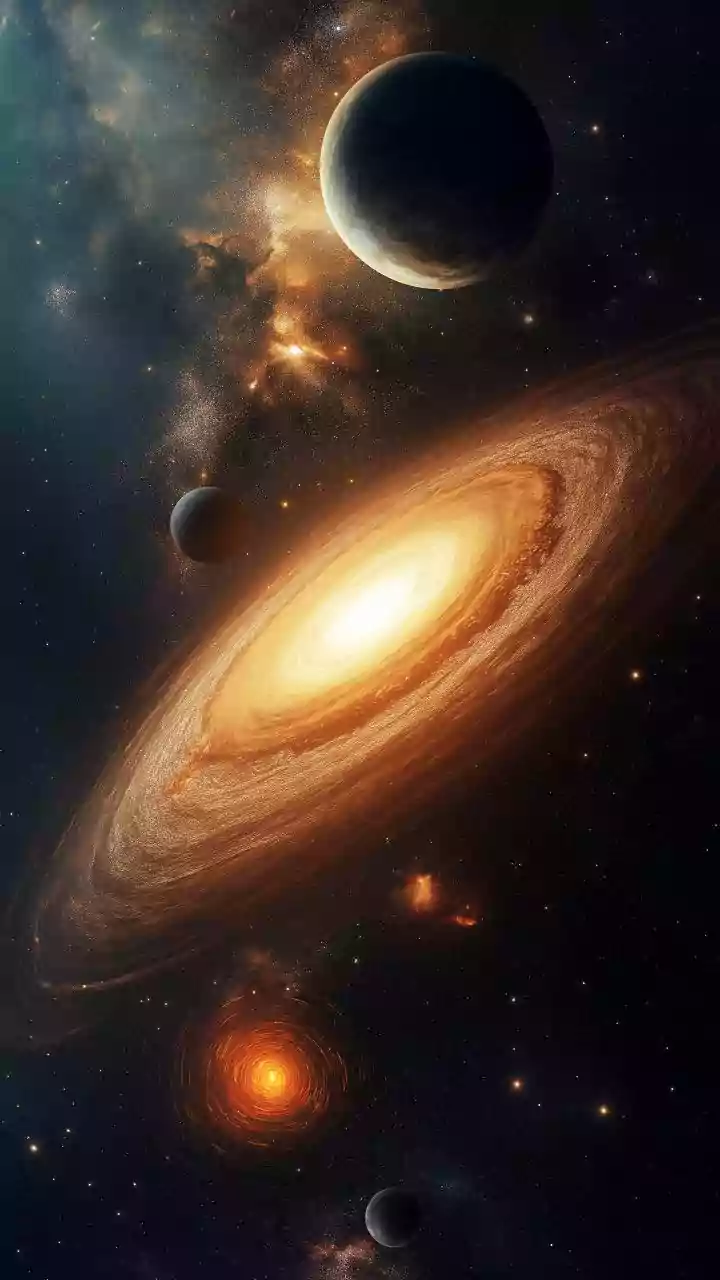
The star of the late August show is undoubtedly the planet Saturn. While its official "opposition”—the point where it is brightest and closest to Earth for the year—is in early October, the planet is already putting on a spectacular display. It will appear
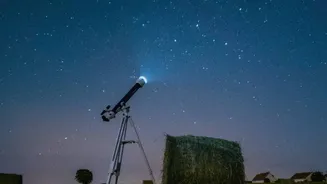
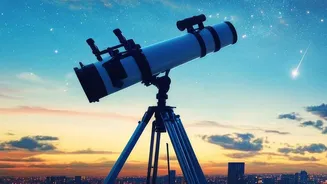
as a brilliant, steady, non-twinkling golden light rising in the eastern sky around sunset. It remains visible for most of the night, tracking across the sky. You don't need a telescope to spot it, but even a basic pair of binoculars will stabilize its light, and a small telescope can reveal its most famous feature: its magnificent rings. Look for it in the constellation Cetus. This is the perfect time to get acquainted with the ringed giant before it reaches its peak brilliance later in the year.
The Summer Triangle High Above
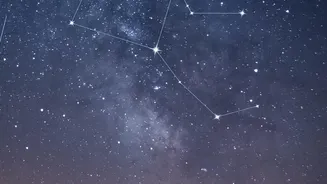
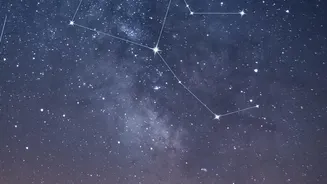
Dominating the sky directly overhead after dusk is the Summer Triangle. This is not a constellation but an asterism, a prominent pattern of stars. It’s one of the easiest celestial landmarks for beginners to identify. It consists of three bright stars from three different constellations: Vega, the brightest of the trio and part of Lyra (the Harp); Deneb, in Cygnus (the Swan); and Altair, in Aquila (the Eagle). Finding the Summer Triangle is your gateway to navigating the night sky. As August concludes, it remains perfectly positioned for viewing from anywhere in India. Simply look straight up into the darkest part of the sky after 9 PM, and you will spot these three beacons forming a large, clear triangle.
A Glimpse of the Milky Way’s Heart
Late summer offers a final opportunity to view the awe-inspiring core of our home galaxy, the Milky Way. To see it, you will need to be in a location with minimal light pollution, far from city lights. The monsoon clouds can be a challenge, but a clear night will be handsomely rewarded. Look toward the southern horizon for the constellations Sagittarius and Scorpius. In a truly dark sky, this region appears as a dense, luminous band of light, like a trail of cosmic milk spilled across the heavens. This is the galactic center, thick with stars, gas, and dust. Using binoculars here, even without a specific target, will reveal countless stars, offering a view that is both humbling and profound.
Catch a Lingering Falling Star
The famous Perseid meteor shower had its spectacular peak around August 12 and 13. However, the shower remains active until the last week of August. This means you still have a chance to spot a few “falling stars” before the month is out. The number of meteors will be far less than at the peak, but patience can pay off. For your best chance, find a dark spot after midnight and look towards the northeast. Let your eyes adjust to the darkness for about 20-30 minutes. While you might only see a few meteors per hour, each bright streak is a tiny piece of the Comet Swift-Tuttle burning up in our atmosphere, a fleeting moment of cosmic fireworks to cap off the summer.
A Lunar Eclipse (But Not for India)
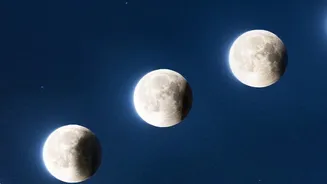
You may hear about a significant partial lunar eclipse occurring on August 28. During this event, a large portion of the Moon will pass through Earth's deep shadow. However, it's important for skywatchers in India to know that this particular eclipse will not be visible from the subcontinent. Its path of visibility is over the Americas, Europe, and Africa. While we will miss out on this lunar show, being aware of it prevents a fruitless search and keeps us informed about the celestial happenings around the globe. The next major lunar eclipse visible from India is something to look forward to in the future.
Where to Get the Best Views
The single most important factor for good skywatching is escaping light pollution. For those in India, several regions offer pristine dark skies, though you must be mindful of monsoon weather. The high-altitude deserts of Ladakh and Spiti Valley are world-renowned for their clear, dark nights. Hanle in Ladakh is even home to India's first official Dark Sky Reserve. If you can't travel to the Himalayas, the Thar Desert in Rajasthan or the vast salt flats of the Rann of Kutch in Gujarat provide fantastic, unobstructed views. In the south, the hills and coffee plantations of Coorg in Karnataka can offer a refuge from city glow. Even a short drive away from urban centres to a darker rural area can dramatically improve what you can see.