





The Rise of the Digital Brew
In recent years, coffee consumption in India has undergone a quiet revolution. The conversation has shifted from mass-market instant coffee to the nuanced world of artisanal brews. This change is powered by a new generation of consumers, particularly
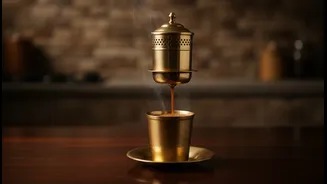
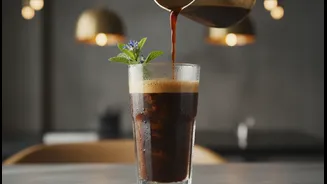
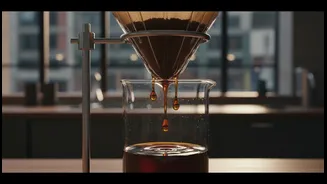
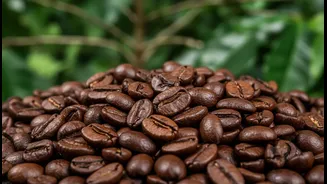
millennials and Gen Z, who are less interested in global chain logos and more curious about the story behind their coffee. Digital platforms like Instagram and YouTube have become the main stage for this movement. Here, coffee is not just a beverage; it's a visual and narrative experience. Slow-motion videos of pour-overs, close-ups of freshly ground beans, and aesthetically pleasing cafe interiors have created a new language around coffee, one that values craft, origin, and authenticity.
From Estate to Social Feed
This digital-first culture has opened a direct channel to consumers for a growing number of Indian specialty coffee brands. Companies like Blue Tokai, Araku Coffee, Black Baza, and Subko Roasters have built their businesses on transparency and storytelling. They go beyond just selling coffee; they sell the story of where it comes from. Their social media feeds and websites often feature profiles of the farmers they work with, detailed notes on the coffee's origin in places like Chikmagalur or the Araku Valley, and explanations of unique processing methods like 'honey sun-dried' or anaerobic fermentation. This turns a simple bag of coffee beans into a traceable product with a rich history, connecting the drinker to a specific family and a piece of land in the Western Ghats.
Spotlighting India's Unique Terroir
For a long time, Indian coffee was primarily seen as a component for blends rather than a star player. The artisanal movement is changing this perception by highlighting what makes Indian beans unique. A key feature is that most of India’s specialty coffee is shade-grown under a diverse canopy of native trees. This agroforestry model promotes biodiversity and allows the coffee cherries to mature slowly, resulting in more complex and nuanced flavours, often with notes of chocolate, nuts, and spice. Brands are now proudly marketing single-estate coffees, which means the beans come from one specific farm, not a regional mix. This allows consumers to taste the specific 'terroir'—the unique combination of soil, climate, and altitude—of an estate like Ratnagiri or Stanmore.
A More Direct and Fairer Trade
Perhaps the most significant impact of this movement is economic. By leveraging digital platforms, roasters can bypass many of the traditional middlemen in the coffee supply chain. This direct trade model fosters a closer relationship between the roaster and the farmer. It allows for better prices to be paid for higher quality, specialty-grade beans, creating a powerful incentive for farmers to invest in sustainable and innovative practices. While Fair Trade is a certification that sets a minimum price, direct trade is a relationship-based model focused on quality, often resulting in farmers earning a significant premium. This direct access to the market empowers smallholder farmers, who make up over 98% of India's coffee growers, giving them more control and a larger share of the final price of their product.
More Than Just a Good Story
The benefits extend beyond individual farm gates. The emphasis on traceability and sustainability required by the specialty market encourages environmentally friendly farming practices. Many of these small estates are committed to organic and biodiversity-friendly methods. Brands like Araku Coffee, for instance, began as a social project to support Adivasi farmers in the Araku Valley, helping them cultivate high-quality organic coffee and gain international recognition. This focus on community and ecology helps preserve the rich biodiversity of India's coffee-growing regions and provides stable employment, reducing migration from rural areas. As consumers become more invested in the stories shared on their digital feeds, their purchasing decisions are actively funding a more sustainable and equitable future for Indian coffee.