

The Soul of the Dish: Pulikachal
The secret to exceptional tamarind rice lies in its base paste, called 'Pulikachal' or 'Gojju'. This flavour concentrate is where the magic happens. It’s a slow-cooked blend of tamarind extract, jaggery for a hint of sweetness, and a host of spices. Preparing
the Pulikachal is the most crucial step, as its depth of flavour determines the final taste of the rice. While recipes vary across regions and households, the core idea is to create a thick, aromatic paste where the sourness of tamarind is perfectly balanced by the warmth of spices and the subtle sweetness of jaggery. This paste can often be made in a larger batch and stored in the refrigerator for several weeks, making future tamarind rice preparations quick and easy.
Key Ingredients: The Spice Melange
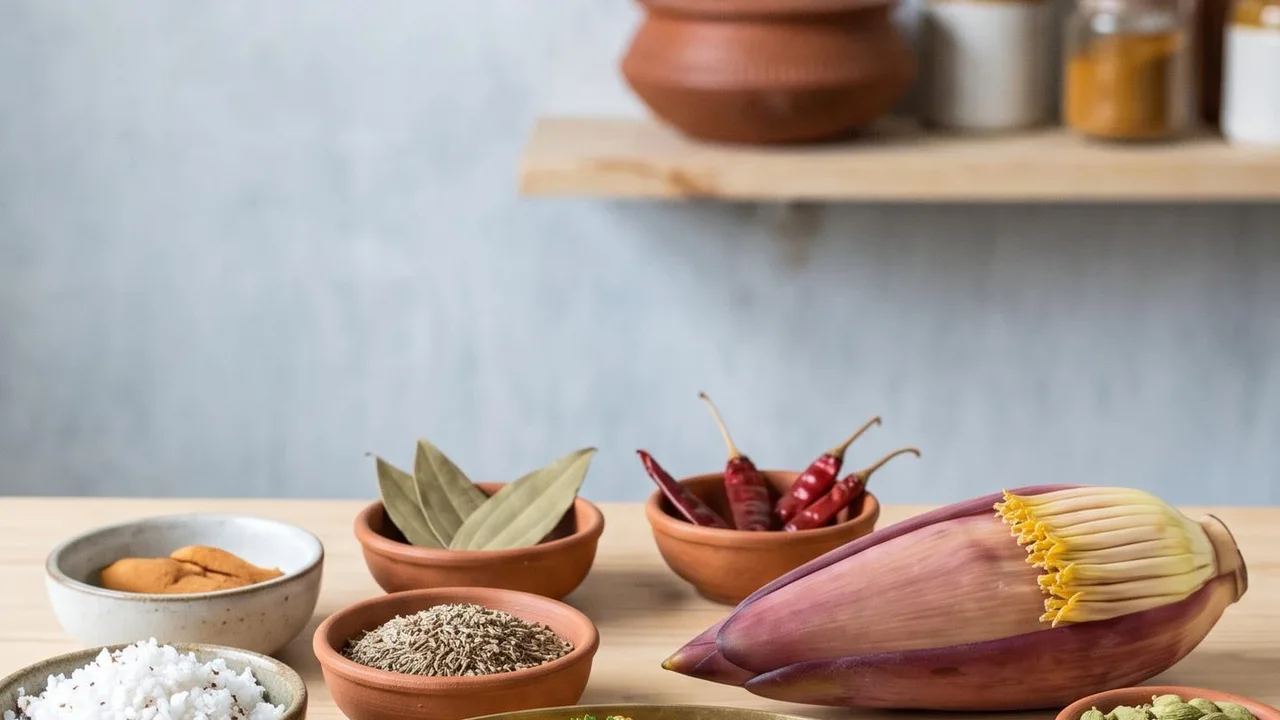
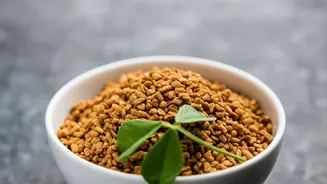
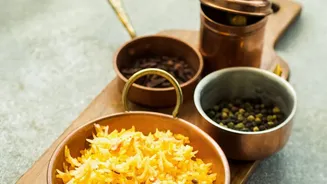
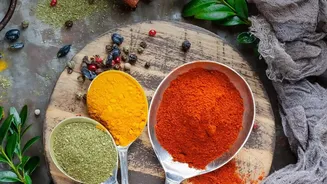
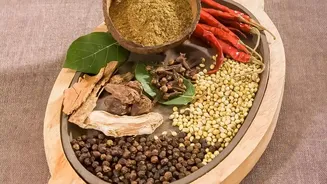
While tamarind is the star, a supporting cast of spices is essential. A special powder is prepared by dry-roasting ingredients like coriander seeds, chana dal (split Bengal gram), urad dal (skinned black gram), fenugreek seeds, and dried red chillies until fragrant, and then grinding them into a powder. Cumin seeds are often included in this spice blend, adding an earthy, warm note that complements the tamarind's tang. Sesame seeds, either white or black, are also frequently roasted and ground, contributing a nutty flavour and body to the paste. The tempering, or 'tadka', is another layer of flavour, usually involving mustard seeds, curry leaves, asafoetida (hing), and peanuts or cashews fried in sesame oil until crisp. This adds both aroma and a delightful crunch.
Preparing the Rice
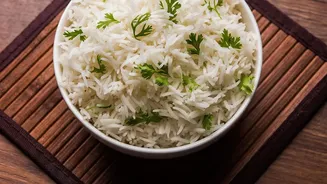
The choice and preparation of rice are just as important as the paste. A short-grain variety like Sona Masuri is often preferred. The key is to cook the rice so that the grains are separate and not mushy. Overcooked or sticky rice will not mix well with the paste and can result in a lumpy texture. Once cooked, the rice should be spread on a wide plate or tray to cool down completely. Many experienced cooks recommend drizzling a little sesame oil over the cooling rice and mixing gently. This not only adds flavour but also helps keep the grains from sticking together, ensuring a perfect texture in the final dish.
Bringing It All Together
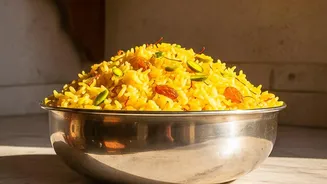
Once your three main components—the Pulikachal paste, the roasted spice powder, and the cooled rice—are ready, the final step is simple. The process begins by preparing a fresh tempering in hot oil, frying lentils, peanuts, and red chillies until golden. The tamarind extract is then added and simmered until it thickens and the raw smell disappears. The freshly ground spice powder is stirred into this tamarind mixture. Finally, this flavour-packed paste is added to the cooled rice. It’s best to add the paste a little at a time, mixing gently with a light hand to avoid breaking the rice grains. The goal is to coat every grain evenly without mashing the rice. Letting the mixed rice rest for at least 10-15 minutes allows the flavours to meld together beautifully.
Tips for Perfect Tamarind Rice
For a truly authentic taste, using sesame oil (gingelly oil) is highly recommended, as it imparts a traditional nutty aroma. Don’t be afraid to adjust the flavours to your liking. The sourness of tamarind can vary, so you might need to add a bit more jaggery to balance it or more chilli for extra heat. The peanuts provide a crucial crunchy texture, so be generous with them. One of the best qualities of tamarind rice is that its flavour deepens over time, making it an excellent choice for lunchboxes and travel, as it tastes wonderful even at room temperature.