

The Pat Cummins Conundrum
Pat Cummins has been an exceptional leader for Sunrisers Hyderabad, bringing his tactical genius and winning mentality to the franchise. However, looking ahead to 2027, SRH faces a predictable, and potentially season-defining, problem. The international
cricket calendar is relentless, with a Test series in India, a gruelling Ashes series, and a World Test Championship final all on the docket. Cummins, as Australia's captain and premier fast bowler, has openly stated that his national commitments will always be the priority. He has hinted that something will have to give, and that something is often the IPL. This isn't a surprise; it's the reality of relying on an overseas fast-bowling captain. For SRH, planning for a future where their leader might miss a significant chunk of the season isn't just prudent; it's an absolute necessity to avoid strategic disruption.
A Leader Already in the Dugout
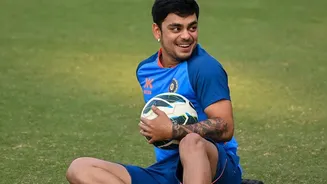
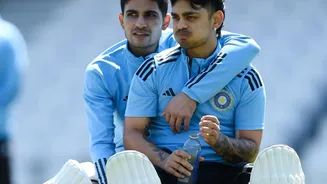
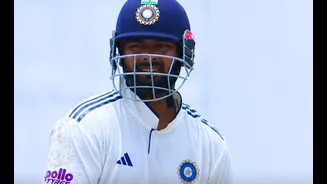
The solution to this conundrum isn't a player SRH needs to scout and buy at auction; he is already in their camp. Ishan Kishan is not a new or risky captaincy candidate. He already stepped into the role during the 2026 IPL when Cummins was sidelined with an injury for the first few games. Not only did he manage the side, but he thrived, earning praise from experts like Sanjay Bangar for his calm demeanour and tactically astute bowling changes. His captaincy resume is stellar even outside the IPL. He has an unbeaten record as a first-class captain and has led his state team, Jharkhand, to victory in the Syed Mushtaq Ali Trophy, a premier T20 competition. This isn't a gamble; it's an investment in a player who has proven he can lead and win.
The Duleep Trophy Masterpiece
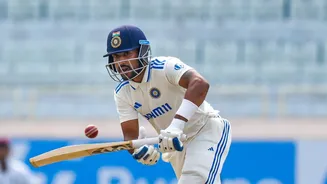
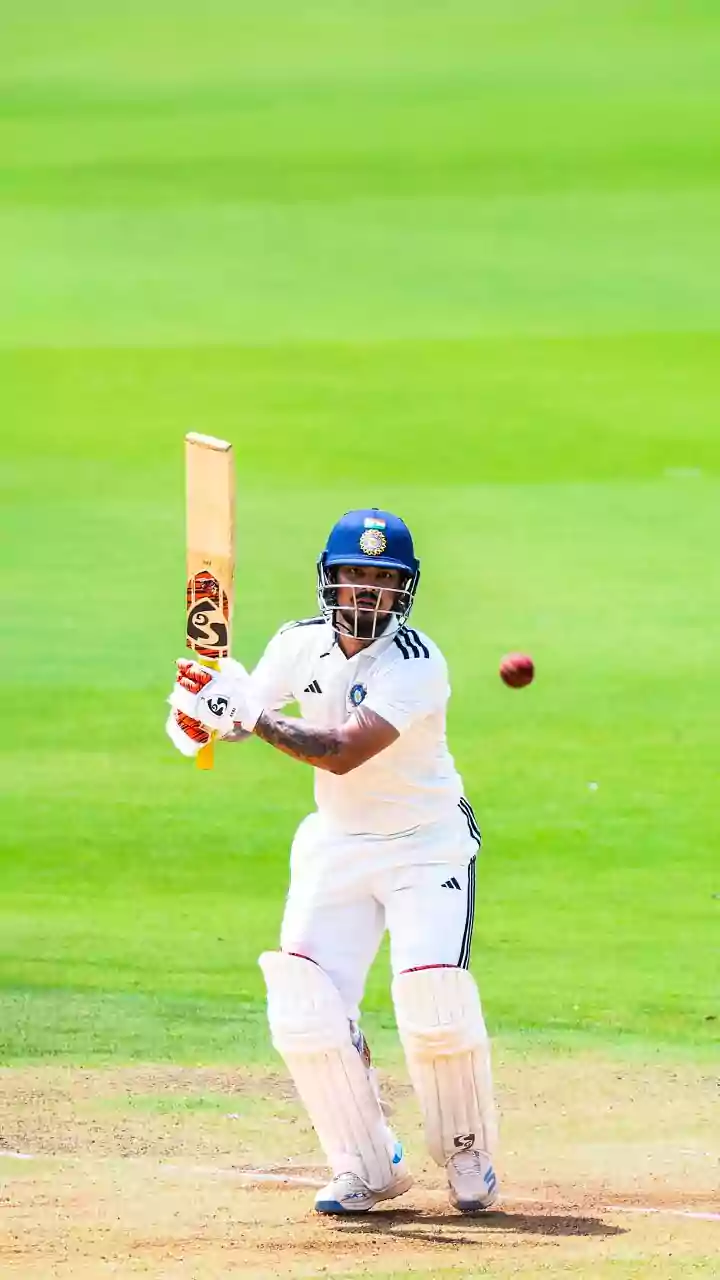
If anyone had any lingering doubts about Kishan's ability to handle pressure, his performance in the Duleep Trophy 2026 final has emphatically silenced them. Walking in as the captain of the East Zone, he didn't just score a century; he constructed a monumental innings of 270. This history-making knock was the first-ever double-century by a wicketkeeper-captain in the history of the Duleep Trophy final. He batted for nearly two days in challenging conditions, leading from the front and putting his team in an unassailable position. This wasn't just about accumulating runs. It was a showcase of temperament, endurance, and the mental fortitude to deliver on the biggest stage when the responsibility rests squarely on your shoulders. It was the kind of performance that separates great players from great leaders.
The Strategic Case for an Indian Captain
Beyond the individual brilliance of Kishan, the strategic argument for an Indian captain is overwhelmingly strong. It guarantees stability. There are no annual question marks about availability or workload management. The captain is present for the entire pre-season, the full tournament, and can be the face of the franchise year-round. This continuity is invaluable in building a team culture and a long-term vision. SRH can build its core around a dynamic Indian player who is entering the prime of his career. While the leadership of overseas stars like Cummins and David Warner has brought SRH success, the transition to a long-term Indian leader is a natural and necessary evolution for any franchise serious about sustained success. Kishan has already been entrusted with the vice-captaincy and has served as an interim leader, making the permanent transition a seamless and logical next step.