







Decoding 'Monsoon Symptom Scores'
There isn't a formal medical tool called a 'monsoon symptom score'. Instead, the term refers to the cluster of symptoms that often appear together during this season. Many monsoon illnesses like dengue, malaria, and typhoid start with similar signs: fever,
body aches, and fatigue. Paying attention to this combination of symptoms, rather than dismissing a single one, is crucial. For parents and caregivers, it’s about being vigilant and recognising that a child's fever, paired with a rash or stomach cramps, could signal something more serious than a common cold. This heightened awareness allows for earlier medical intervention, which can be critical.
Why Children and the Elderly Are At Risk
Children and senior citizens are particularly susceptible during the monsoon for several reasons. A child's immune system is still developing, making them less equipped to fight off the surge of bacteria and viruses that thrive in humid conditions. They are also more likely to play outdoors, potentially coming into contact with contaminated water or getting bitten by mosquitoes. Conversely, the elderly often have weakened immune systems due to age and may have pre-existing conditions like diabetes or respiratory issues, which can be aggravated by monsoon-related infections. Both groups are also more vulnerable to dehydration from illnesses like gastroenteritis, which can quickly become severe.
The Threat From Contaminated Water
The mixing of rainwater with sewage and other contaminants creates a breeding ground for water-borne diseases. Illnesses such as cholera, typhoid, gastroenteritis, and hepatitis A become widespread. Symptoms to watch for include severe diarrhoea (sometimes described as 'rice water' stools for cholera), persistent high fever, abdominal pain, and jaundice (yellowing of skin and eyes). Prevention is paramount: always drink boiled or filtered water, avoid street food, and wash hands frequently and thoroughly. For children, ensuring they don't play in stagnant, dirty water can also prevent infections like leptospirosis, which enters through cuts in the skin.
Mosquitoes: The Airborne Menace
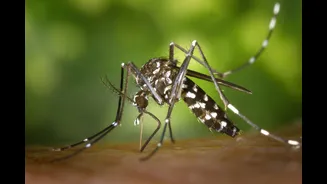
Stagnant water, from puddles to flower pots, allows mosquito populations to explode, increasing the risk of vector-borne diseases. Dengue, malaria, and chikungunya are the primary concerns. While all three cause high fever and body aches, they have distinguishing features. Dengue is often associated with severe headache (especially behind the eyes), rash, and a sharp drop in platelet count. Malaria typically presents with a cyclical pattern of fever, chills, and sweating. Chikungunya is notorious for causing debilitating joint pain that can last for weeks or months. Using mosquito nets, applying repellents, and wearing full-sleeved clothing are essential protective measures.
Respiratory and Fungal Infections
The high humidity of the monsoon doesn't just help mosquitoes; it also aids the spread of respiratory viruses and fungi. Cases of the common cold, flu, and bronchitis increase, and those with pre-existing conditions like asthma may find their symptoms worsen. Fungal skin infections, such as ringworm and athlete's foot, also become more common due to damp clothing and prolonged wetness. Simple hygiene is key: change out of wet clothes quickly, keep the home well-ventilated, and practice good hand hygiene to prevent the spread of viral infections.
When You Must See a Doctor
Self-medication can be dangerous as many monsoon illnesses have overlapping early symptoms. It's crucial to seek medical advice, especially for children and the elderly. Red flags that demand immediate medical attention include a fever lasting more than two days, severe abdominal pain, persistent vomiting, difficulty breathing, bleeding from the gums or nose, or unusual drowsiness. A sudden drop in platelet count in a blood test is a serious warning sign for dengue. Early diagnosis and proper treatment can prevent severe complications and ensure a faster recovery.