


Mapping the Tiger Heartland
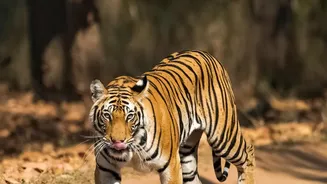
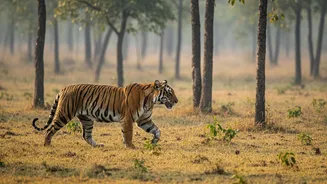
Central India, particularly the state of Madhya Pradesh, is often called the 'Tiger State'. This region is home to some of the country's most famous and well-managed tiger reserves. A classic rail-based circuit can connect several of these jewels. The
primary reserves to target are Bandhavgarh National Park, renowned for its high tiger density; Kanha National Park, Kipling's inspiration and a vast expanse of forest and meadow; and Pench National Park, a landscape of teak forests straddling two states. A little further afield in Maharashtra, but still accessible from the same rail hubs, is the Tadoba-Andhari Tiger Reserve, another fantastic location for sightings. Your circuit will revolve around two main railway hubs: Jabalpur in Madhya Pradesh and Nagpur in Maharashtra.
Decoding the 'Rail Circuit Pass'
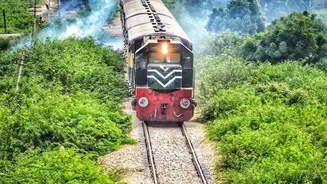
The headline mentions a "pass," but Indian Railways doesn't offer a single hop-on, hop-off pass in the style of a Eurail pass for this specific circuit (the Indrail Pass was discontinued). Instead, the magic lies in a clever ticketing option: the Circular Journey Ticket. This is ideal for a multi-stop trip that starts and ends at the same station. You design your itinerary, submit it to the railway authorities at a major station, and they issue a single ticket for the entire loop. The main advantage is that fares are calculated on a 'telescopic' basis, meaning the cost per kilometre drops as the total distance increases, making it cheaper than buying individual point-to-point tickets. This is the key to your budget rail circuit. A maximum of eight break-journeys are allowed.
Gateway Stations and Park Access
The train gets you close, but the last leg of the journey is by road. For Bandhavgarh National Park, the nearest small station is Umaria (32 km), but the major, better-connected railhead is Katni (97 km) or Jabalpur (170 km). From these stations, you can find buses or shared taxis to the park gate at Tala. For Kanha National Park, Jabalpur (165 km) and Gondia (145 km) are the most convenient major stations. Taxis and buses connect these cities to the park's main entry points like Khatia and Mukki. For Pench National Park, the clear choice is Nagpur (about 90-150 km depending on the gate). Seoni is a closer but much smaller station. Similarly, Nagpur is the primary rail gateway for Tadoba-Andhari Tiger Reserve, though Chandrapur station is significantly closer (45 km).
A Sample Backpacker Itinerary
A logical route starting from a major city like Delhi could look like this: Take an overnight train from Delhi to Jabalpur. Spend a few days exploring Kanha and/or Bandhavgarh, using Jabalpur or Katni as your base. From Jabalpur, take another train south to Nagpur. Use Nagpur as your base to visit Pench National Park. If time and budget permit, you could also access Tadoba from here. Finally, catch an overnight train from Nagpur back to Delhi or onward to Mumbai. This creates a neat circular journey. Recently, IRCTC announced a partnership with the Maharashtra Forest Department to create integrated packages for reserves like Tadoba and Pench, which could simplify booking for that leg of the trip in the future.
Booking Safaris and Stays on a Budget
Your train ticket is just one piece of the puzzle. Jungle safaris must be booked well in advance, especially for popular parks and zones. This is typically done online through the respective state's forest department website. Don't show up expecting to book a safari on the spot, as permits are limited. For backpacker-friendly accommodation, look for government-run forest rest houses or budget resorts and homestays near the park gates. Places like Mogli Resort in Kanha are known to be popular with backpackers. Hostel culture is still developing in these areas, but budget guesthouses are plentiful if you do some research on travel booking sites.
Tips for the Tracks and Trails
When booking trains, Sleeper Class (SL) is the quintessential budget Indian travel experience, while 3-Tier AC (3A) offers more comfort and security for a modest price increase. Always book train tickets and safaris well in advance, as they fill up quickly. For travel between stations and parks, opt for shared jeeps or local buses to keep costs down. Pack light but include essentials like binoculars, a dust-proof bag for electronics, neutral-coloured clothing for safaris, and a good power bank. Finally, travel responsibly. Respect wildlife, follow your guide’s instructions, and minimize your plastic usage to help preserve these incredible natural habitats for years to come.