





Understanding the Rain-Shadow Secret
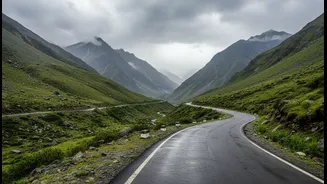
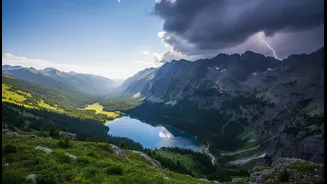
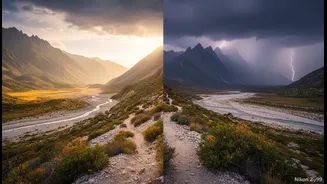
The term ‘rain shadow’ sounds mysterious, but it’s a simple geographical phenomenon that’s key to safe monsoon travel in the Himalayas. The mighty Himalayan ranges act as a massive barrier to the moisture-laden monsoon clouds that travel up from the south.
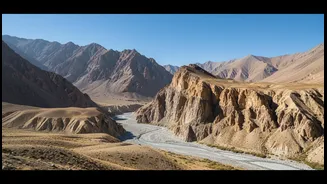
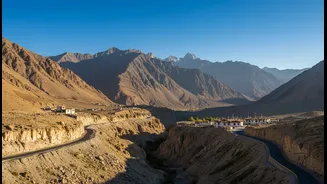
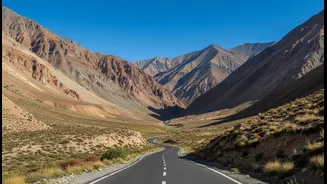
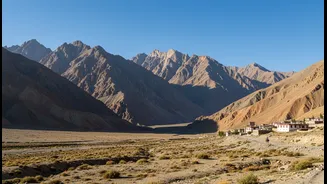
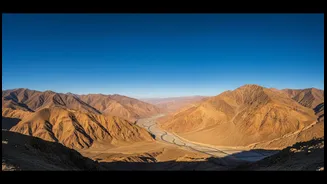
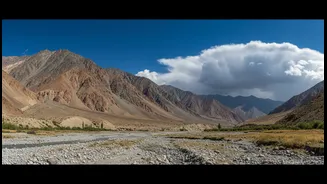
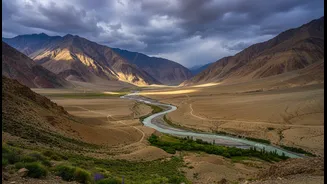
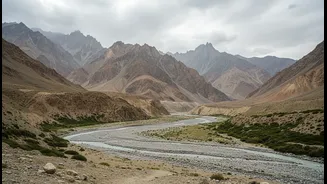
As the clouds are forced to rise, they shed their rain on the southern, windward slopes. By the time the air crosses over to the northern, leeward side, it is dry. This creates vast, arid to semi-arid landscapes that receive little to no rainfall, even when the rest of the country is drenched. These regions, including Ladakh and Lahaul & Spiti, become perfect, safe havens for travellers, offering clear blue skies and open roads during the peak monsoon months of July and August.
Top Family Destination: Ladakh
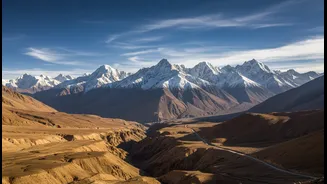
Often called the ‘Land of High Passes’, Ladakh is the ultimate rain-shadow destination and has become increasingly family-friendly. Its high-altitude cold desert landscape is shielded from the monsoon, making June to September the best time to visit. With direct flights to Leh, the region is more accessible than ever. Families can explore ancient Buddhist monasteries with fascinating murals, watch monks perform their rituals, and marvel at the unique lunar-like terrain. Activities like a camel safari on the double-humped Bactrian camels in the dunes of Nubra Valley are a huge hit with children. The serene Pangong Tso lake offers a visual spectacle that will leave the entire family spellbound. Homestays provide a wonderful opportunity for cultural immersion, where Ladakhi hospitality makes families feel right at home.
Adventurous Alternative: Lahaul & Spiti
For families with a taste for a more rugged adventure, the Lahaul and Spiti Valley in Himachal Pradesh is another fantastic rain-shadow option. Like Ladakh, this region remains dry and accessible during the monsoon. The journey itself is an adventure, often undertaken via the Atal Tunnel near Manali, which has significantly improved access. Spiti is a world of stark beauty, with ancient monasteries like Key and Tabo clinging to cliffsides, and picturesque villages such as Langza, known for its giant Buddha statue overlooking the valley. While the infrastructure is more basic than in Ladakh, the rewards are immense: fewer crowds, dramatic landscapes, and a tangible sense of peace and spirituality.
Essential Planning Tips for High-Altitude Travel with Kids
A high-altitude trip requires careful planning, especially with young children. Acclimatisation is the most critical factor for a safe and enjoyable holiday. Spend at least two to three full days resting in Leh (or a similar starting altitude) before ascending further. This allows everyone’s body to adjust. Keep your itinerary slow and flexible, and don't try to cram too much into one day. Hydration is key, so ensure everyone drinks plenty of water. Protect your family from the harsh high-altitude sun with hats, sunglasses, and high-SPF sunscreen. Pack in layers, as temperatures can fluctuate dramatically. Before you travel, it is essential to consult your paediatrician, especially for children under five, to discuss altitude sickness and get any necessary prescribed medicines. It's also wise to carry a basic first-aid kit with remedies for headaches, fever, and stomach upsets.