


Choose Your Monsoon Champions
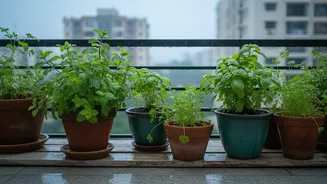
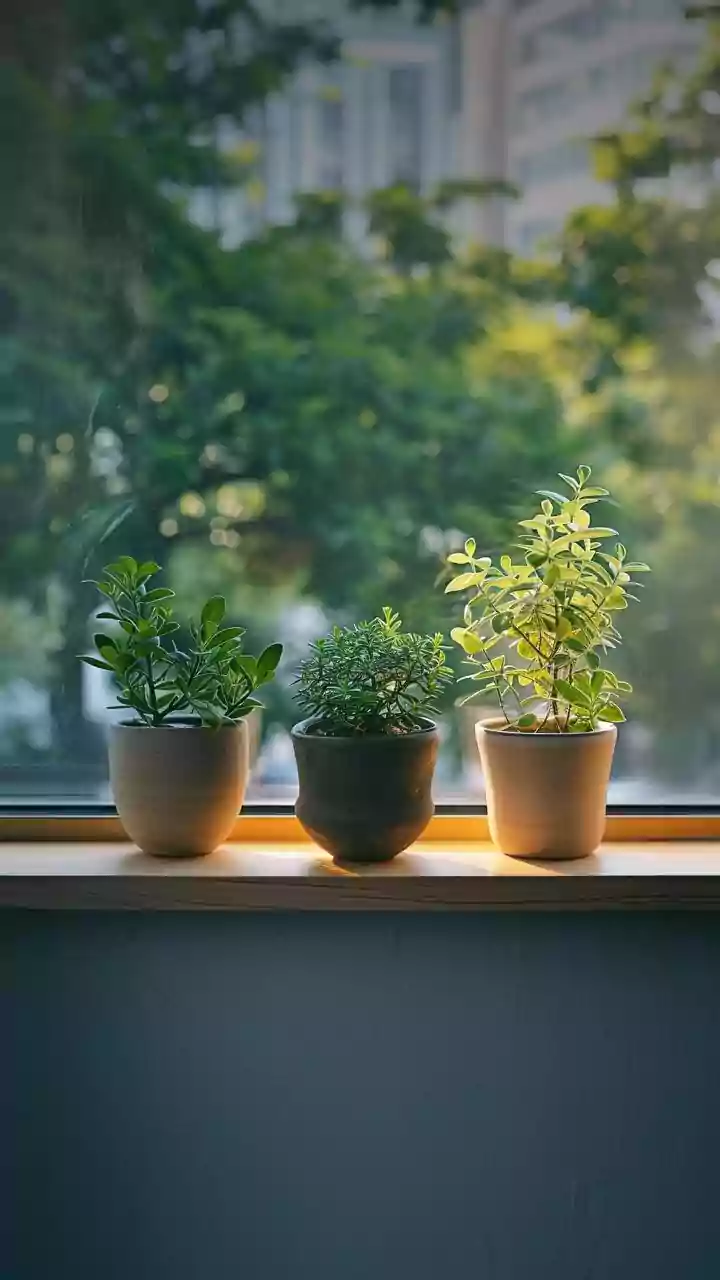
Not all herbs are created equal when it comes to handling the high humidity and moisture of the monsoon. Success starts with selecting plants that thrive in these conditions. Mint (Pudina) is a fantastic choice as it loves moist soil and can handle partial
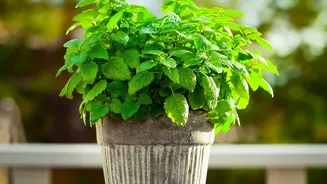
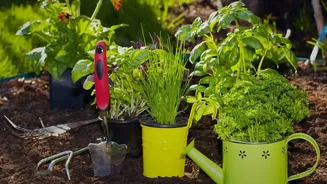
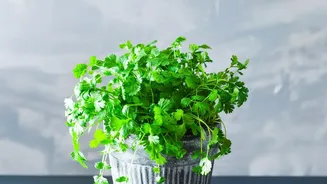
shade. Similarly, Holy Basil (Tulsi), a staple in many Indian households, is a hardy plant that adapts well to pots, provided it has good drainage. Coriander (Dhania) is another fast-growing favourite that does well, giving you fresh leaves for your curries in no time. For adding a fresh aroma to your monsoon teas, consider Lemongrass. It enjoys the rainy season and, like mint, is best grown in a separate pot to control its spread. These herbs are not only resilient but are also used frequently in daily cooking, making your gardening efforts doubly rewarding.
The Right Foundation: Pots and Soil
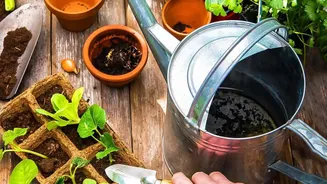
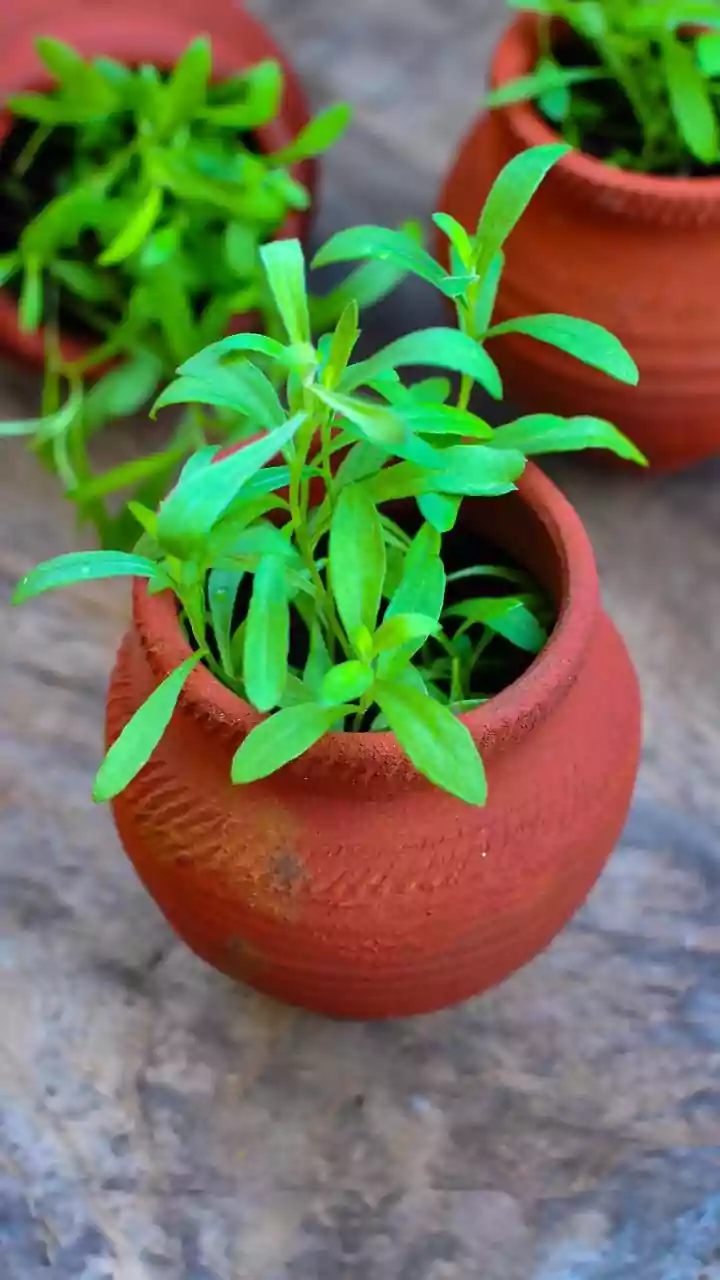
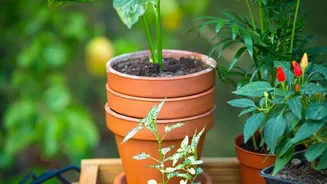
During the monsoon, the single biggest threat to your balcony herbs is waterlogged soil, which leads to root rot. Your choice of pot and soil is your first line of defence. Ensure every pot has adequate drainage holes at the bottom to let excess water escape. Terracotta or clay pots are often preferred over plastic as they are porous and allow roots to breathe. To further improve drainage, elevate your pots slightly using bricks or pot feet. This small step prevents the drainage holes from getting blocked and keeps the base from sitting in water. For the soil itself, avoid using dense garden mud. Instead, create a light, well-aerating potting mix. A reliable combination is one part garden soil, one part compost for nutrients, and one part coco-peat or coarse sand to improve drainage. This ensures that while the soil retains enough moisture, it never becomes soggy.
Watering Wisdom: Less is More
It may seem counterintuitive, but you still need to water your plants during the monsoon, just not as often. The key is to avoid a fixed schedule and instead respond to your plant's needs. With high humidity and frequent rains, the soil will dry out much slower than in summer. The best method is the finger test: poke your finger an inch into the soil. If it feels dry, it's time to water; if it's moist, wait another day. When you do water, direct the water to the soil at the base of the plant, not on the leaves. Wet foliage can encourage fungal diseases, which are more common in damp weather. Always empty the saucer or tray beneath the pot after watering or a heavy shower to ensure the plant isn't left standing in stagnant water.
Let There Be Light and Air
Cloudy skies and reduced sunlight are hallmarks of the monsoon. While the herbs recommended earlier are relatively tolerant, they still need light to thrive. Position your pots on the brightest side of your balcony, perhaps an east-facing one that gets gentle morning sun. Rotate your pots every few days so that all sides of the plant get some light. Good air circulation is just as important as light. High humidity combined with stagnant air is a recipe for fungal issues like powdery mildew. Avoid overcrowding your plants to allow air to flow freely between them. A little bit of pruning can also help; trimming excess leaves or branches improves airflow and encourages healthier, bushier growth.
Guarding Your Greens: Pest Patrol
The damp and humid monsoon weather is a perfect breeding ground for pests like aphids, mealybugs, and slugs. The best approach is prevention and early detection. Regularly inspect your plants, paying close attention to the undersides of leaves where pests often hide. Many common herbs act as natural pest repellents. Planting basil can deter flies, while mint is known to repel ants and mosquitoes. For a mild infestation, a simple spray of neem oil diluted in water with a few drops of liquid soap can be very effective. This organic solution disrupts the life cycle of many common pests without harming the plant or beneficial insects. For slugs and snails, which are common in the rains, manually removing them is often the most straightforward solution in a small balcony setup.