


Why Ditch the Store-Bought Tub?
The shift away from commercial ice cream is driven by a desire for control and creativity. When you make ice cream at home, you decide exactly what goes in. This means no artificial additives, preservatives, or excessive sugars commonly found in store-bought
options. For a health-conscious generation, this is a major draw. Homemade ice cream allows for easy customisation to fit dietary needs, whether it's making a low-sugar, dairy-free, or high-protein version. Beyond health, there's the appeal of freshness and superior taste. Homemade versions often have a creamier, richer texture because they can be made with quality ingredients like full-fat milk, fresh fruits, and natural sweeteners, without the need for stabilisers. It’s a return to simpler, more wholesome ingredients.
The Blender is Your New Best Friend
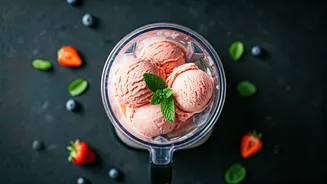
You don't need a fancy, expensive ice cream machine to join this trend. The hero of this story is the humble (or high-powered) blender. A good blender can easily whip heavy cream, condensed milk, and frozen fruit into a smooth, creamy base in minutes. High-powered blenders like a Vitamix or Blendtec can create an exceptionally smooth texture, but even a standard mixer grinder or immersion blender can get the job done. The process is simple: blend your core ingredients until thick and smooth, pour into a container, and freeze. This accessibility is key to the trend's popularity; it removes the barrier of needing specialised equipment, making delicious homemade ice cream available to anyone with a freezer and a blender.
A Canvas for Creative Flavours
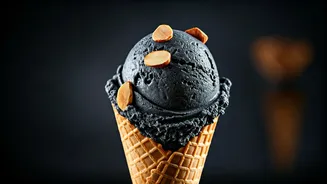
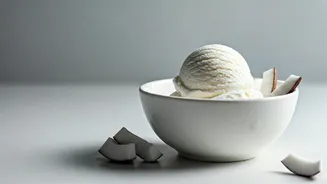
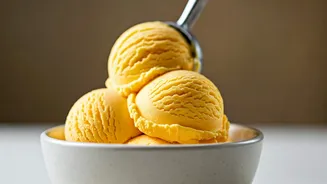
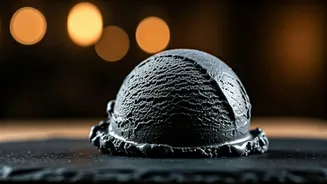
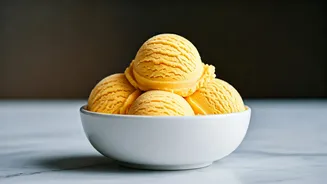
While classic vanilla and chocolate are always popular, the homemade trend has opened the door to endless flavour experimentation. Gen Z's love for both global trends and local favourites is reflected in their creations. You can find recipes for everything from matcha and tiramisu to desi-inspired flavours like mango, chikoo, paan, and kesar pista. Using seasonal fruits is a popular choice, not just for flavour but also for the vibrant, camera-ready colours they produce. The ability to create unique fusion flavours, like rose pistachio or caramelised pineapple, allows for a level of personalisation that store-bought brands can't match. It transforms dessert from a simple treat into an act of creative expression.
Your Basic Blender Ice Cream Recipe
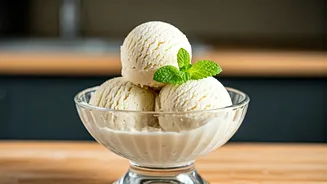
Ready to try it yourself? Here’s a foundational recipe that you can easily adapt. You’ll need just two core ingredients: 2 cups of chilled heavy cream and 1 can (around 400g) of sweetened condensed milk. First, pour the cold heavy cream into a blender or a deep bowl if using a hand mixer. Whip it on high speed for a few minutes until it forms stiff peaks. Be careful not to over-whip, or you’ll start making butter. Next, gently fold in the sweetened condensed milk and any flavourings you want, like a teaspoon of vanilla extract. Once combined, pour the mixture into a freezer-safe container, cover it, and let it freeze for at least 6-8 hours, or until firm. For a fruit-based version, simply blend frozen fruits like bananas or strawberries with a bit of yogurt or milk until smooth.
Driven by the 'Gram and Good Health
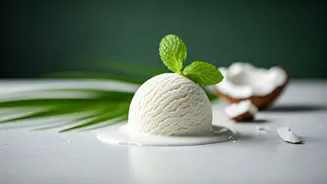
This trend is tailor-made for the social media age. The bright, natural colours of fruit-based ice creams and the aesthetic appeal of a perfect scoop are highly Instagrammable. Platforms like Instagram and TikTok are flooded with quick, satisfying videos of blender ice cream being made, turning a simple recipe into a viral phenomenon. But it's not just about looks. For Gen Z, there's a growing awareness of wellness and mindful eating. While they still enjoy indulgence, they appreciate treats that offer a balance. Homemade ice cream fits perfectly, providing the comfort and sweetness they crave, but in a format they can control and feel good about eating. It's the ideal blend of healthy and happy.