




The Ultimate Low-Commitment Glow-Up
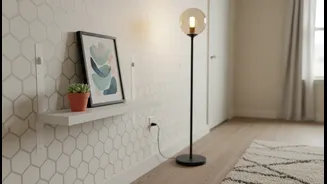
Peel-and-stick décor refers to a growing category of self-adhesive products designed for home interiors. This includes everything from wallpaper and wall decals to tiles for backsplashes and floors. Unlike traditional materials that require glue, grout,
or professional installation, these products function like a large, high-quality sticker. You simply peel off the backing and apply it to a clean, smooth surface. The genius lies in its temporary nature. When you're ready to move out or simply want a new look, you can peel it off without damaging the surface underneath, making it a dream solution for tenants who want to get their security deposit back.
Why Renters Are Obsessed
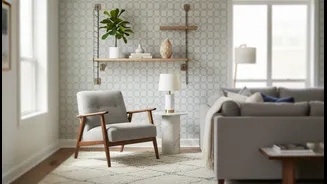
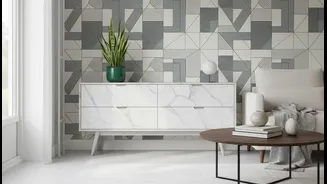
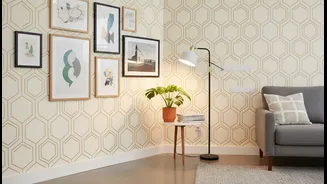
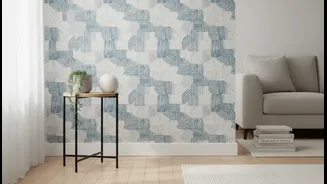
The popularity of peel-and-stick products among renters isn't just about following rules; it’s about empowerment. A 2023 design survey found that over 60% of renters undertaking a DIY project chose adhesive products specifically for their reversibility. The key benefits are hard to ignore. First, it is incredibly easy to apply. Most projects can be completed in an afternoon without professional help or messy materials like paste. Second, it's budget-friendly. Compared to a professional paint job or traditional tiling, removable décor offers a high-end look for a fraction of the price. Finally, the variety is endless. Whether your taste is minimalist, bohemian, or bold and geometric, there is a design available to transform bland, neutral walls into a personalised statement.
More Than Just Wallpaper
While removable wallpaper is the most well-known product, the peel-and-stick universe has expanded dramatically. You can now find convincing and durable options for nearly any surface. Peel-and-stick backsplashes, often made with a 3D gel or vinyl finish, can completely modernise a dated kitchen. These are often water-resistant and easy to clean, making them practical as well as stylish. For floors, vinyl tile decals or thicker planks can cover up old, unappealing flooring in a bathroom or entryway. There are even options for furniture, with contact paper that can give an old table or set of drawers a brand-new look. The goal is the same across all products: maximum impact with minimal commitment.
Application and Removal Tips
To ensure a professional finish and damage-free removal, a little preparation goes a long way. Always start with a clean, dry, and smooth surface. For wallpaper, it helps to have two people: one to guide the paper and another to smooth it down, pushing out air bubbles from the centre outwards with a plastic smoother. If you make a mistake, you can usually reposition the panel as long as you work slowly. When it's time to remove it, don't just rip it off the wall. Start at a corner and peel slowly and firmly, pulling down parallel to the wall. Applying gentle heat from a hairdryer can help soften the adhesive, making removal even easier.
A Few Words of Caution
While peel-and-stick products are a fantastic solution, they are not all created equal. Cheaper, lower-quality options can sometimes be difficult to remove or may even discolour over time. It's also crucial to apply them to the right surfaces. They work best on smooth, primed, and painted walls. Heavily textured walls or certain delicate paint finishes may not be suitable. Some products, particularly certain tile types, are not recommended for high-moisture areas like the inside of a shower. Always read product reviews and instructions carefully, and if you're unsure, test a small, inconspicuous area first.