





The Allure and the Agony
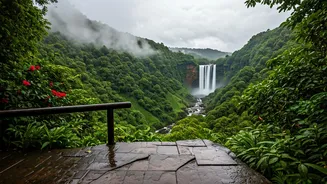
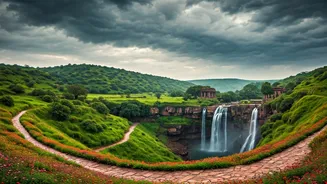
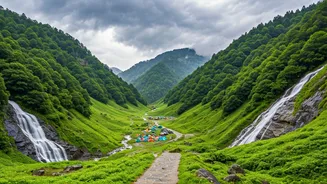
Every year, as the southwest monsoon washes over Gujarat, a familiar pattern emerges. Tourists, seeking refuge from the city heat, descend upon the state’s scenic spots, especially its lone hill station, Saputara, and the areas around Wilson Hills. The
promise is one of verdant hills, cascading waterfalls, and a romantic, rain-soaked getaway. The annual Saputara Monsoon Festival, a month-long celebration of the region's culture and natural beauty, further amplifies this pull, drawing massive crowds with its cultural programs and festivities. However, the reality on the ground is often far from idyllic. What should be a serene experience frequently dissolves into a logistical nightmare, characterized by gridlocked roads, overflowing hotels, and a palpable strain on local resources.
Paradise Under Pressure
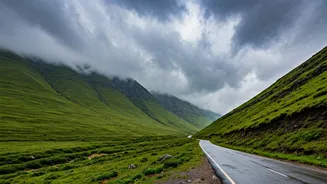
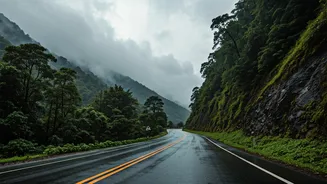
The problems are manifold and recurring. News reports from recent monsoons paint a grim picture of civic apathy and infrastructural collapse. In July 2026, heavy rains in Junagadh led to multiple accidents as commuters fell into open potholes on flooded roads, highlighting a failure in pre-monsoon safety preparations. Similar scenes of waterlogging and caved-in roads have been reported in Surat and other parts of the state. In popular tourist areas, this translates to immense traffic congestion. The narrow, winding ghat roads leading to destinations like Saputara become treacherous, with documented risks of landslides during heavy rainfall. This unchecked influx of vehicles not only creates hours-long traffic jams but also poses significant safety risks, turning a holiday into a hazard.
The Hidden Costs of Unplanned Tourism
Beyond the immediate inconvenience to tourists lies a more profound, long-term crisis. The surge in visitors, without corresponding upgrades in infrastructure, is placing immense pressure on Gujarat’s fragile ecosystems. Studies on tourism in areas like Gir National Park have already highlighted the negative impacts of mass tourism, including habitat disturbance and pollution. The same principles apply to monsoon destinations. An increase in footfall leads to more waste, greater demand for water and energy, and catalyzes unplanned urbanization that can permanently alter the landscape. Without a sustainable framework, we risk loving these beautiful places to death, allowing the very natural charm that draws people in to be eroded by the consequences of their arrival.
A Blueprint for a Sustainable Future
The situation is not hopeless, but it demands immediate and intelligent intervention. The Gujarat government's Tourism Policy for 2021-2025 already shows an intent to promote sustainable and responsible tourism through various incentives. This framework must now be aggressively applied to monsoon hotspots. A clear blueprint could include several key actions: implementing carrying capacity studies to determine the maximum number of visitors a destination can handle without adverse effects; introducing timed-entry or pre-booking systems to manage flow during peak weekends; and investing in robust public transport to reduce private vehicle congestion on sensitive ghat roads. Furthermore, developing and promoting lesser-known destinations could help distribute the tourist load more evenly across the state.
A Shared Responsibility
Ultimately, the responsibility for change is a shared one. The government and its tourism bodies must move from a purely promotional stance to one of active management and regulation. This involves not just building more roads, but building smarter infrastructure that respects the local ecology. It also means enforcing rules on waste management and construction. Tour operators have a role to play in promoting responsible travel practices among their clients. And tourists themselves must become more conscious, choosing sustainable options, minimizing their environmental footprint, and understanding that the preservation of these beautiful landscapes is intrinsically linked to their ability to enjoy them. Protecting Gujarat's rainy escapes is not about restriction; it's about preservation, ensuring that their magic can be experienced for many monsoons to come.