



A Golden Age of Growth
Indian carriers are in the middle of an unprecedented expansion. Air India, under the Tata Group, and low-cost giant IndiGo have placed record-breaking orders for over 1,500 new aircraft from Airbus and Boeing combined. This growth isn't just about replacing
old planes; it's about fueling a massive network expansion. New non-stop routes to Europe, North America, and Southeast Asia are being launched, connecting India to the world like never before. IndiGo, traditionally a domestic and short-haul player, is now venturing into long-haul with leased Boeing 787s and an order for Airbus A350s. Air India is aggressively adding capacity to compete with global giants. This ambition is reshaping global aviation, but it's also creating growing pains that passengers are feeling directly.
The Consistency Conundrum
The biggest challenge of this rapid growth is maintaining a consistent product. When you book a ticket, you might be flying on a brand-new Airbus A350, a freshly retrofitted Boeing 787, or a 15-year-old Boeing 777 with outdated seats and broken entertainment systems. For Air India, the problem is multi-layered. It is integrating aircraft from its own legacy fleet, planes from the Vistara merger, and various leased jets, all while awaiting hundreds of new deliveries. This creates a hodgepodge of cabin layouts, seat types, and service standards. A passenger flying from Delhi to London might have a world-class experience on one trip and a deeply disappointing one on the next, even on the same route. This inconsistency makes it difficult for airlines to build brand loyalty and manage passenger expectations.
Air India's Mammoth Makeover
To its credit, Air India has acknowledged the problem and launched a massive USD 400 million retrofitting program to modernize its older wide-body fleet. The goal is to install new seats (including a new Premium Economy class), state-of-the-art in-flight entertainment, and updated interiors across its legacy Boeing 777 and 787 aircraft. However, this is a slow and complex process. Global supply chain disruptions have already caused delays, with the entire project now expected to be completed by October 2028. While the airline’s newer planes showcase a promising future, passengers will have to navigate a product lottery for several more years as older planes are gradually refurbished or retired. The process is further complicated by the Vistara merger, which involves integrating another distinct fleet and product standard.
IndiGo's Long-Haul Gamble
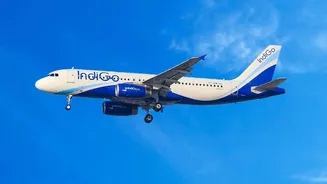
IndiGo built its empire on ruthless efficiency and consistency. Its all-Airbus A320 family fleet meant pilots, crew, and maintenance were interchangeable, keeping costs low. Now, as it expands into long-haul with wide-body aircraft like the Boeing 787 and incoming A350s, it faces a new set of challenges. The airline is introducing a business product for the first time, a significant departure from its low-cost roots. While this allows it to tap into the premium market on longer routes, it also introduces product variation. Passengers will need to be aware of whether they are booking a traditional IndiGo service or one of its new long-haul offerings on a leased aircraft, which may have different seat pitches and amenities. Managing this dual-product strategy will be key to IndiGo's success in the competitive international market.
What This Means For Travellers
For the next few years, flying on Indian carriers, particularly on long-haul routes, will require some research. The experience can vary dramatically based on the specific aircraft assigned to your flight. Websites that track airline fleets can sometimes offer clues, but last-minute aircraft swaps are common. The stark difference in quality is frequently highlighted by passenger complaints online, which range from praise for the new A350s to frustration over broken seats, malfunctioning screens, and dirty cabins on older jets. While the direction of travel is positive, with new and retrofitted planes entering service, the transition phase is proving to be a turbulent one for customer satisfaction. The ultimate goal is a world-class product across the board, but for now, inconsistency remains the norm.