






A Ritual of Purification
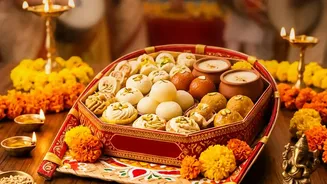
In India, the bath preceding a major festival like Diwali is far more than a simple act of washing. Known as Abhyanga Snan, this ceremonial practice is a holistic purification for the body, mind, and soul. It's a deeply ingrained tradition designed to
wash away not just physical dirt but also negative energies, preparing a person to receive divine blessings. This ritual signifies a fresh start, a shedding of the mundane to step into a sacred space of celebration. The emphasis is on mindfulness and intention, transforming the bathroom into a temporary sanctuary where the water itself is revered as a purifying element.
The Alchemy of Ubtan
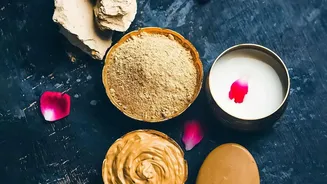
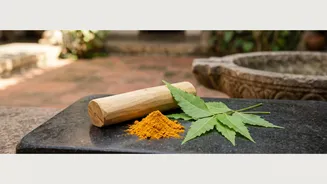
At the heart of this ritual is 'ubtan', a traditional herbal paste that has been used for centuries. While recipes vary by region and family, the core ingredients often include gram flour (besan), turmeric (haldi), sandalwood (chandan), and milk or rose water. Each component serves a purpose: gram flour exfoliates, turmeric provides a golden glow and has auspicious qualities, and sandalwood cools and calms the skin with its heavenly aroma. The process of mixing these ingredients and applying the fragrant paste is a sensory experience in itself, a moment of self-care that connects people to generations of tradition.
Ancient Wisdom in Modern Homes
These bathing practices are deeply rooted in Ayurveda, India’s ancient system of medicine. The ritual often begins with Abhyanga, a warm oil massage that calms the nervous system and moisturises the skin before cleansing. This is followed by the application of ubtan, which acts as a natural, soap-free cleanser that doesn't strip the skin of its oils. Ayurvedic principles focus on balancing the body's 'doshas' (energies), and the ingredients in ubtan are chosen to pacify and nourish. For instance, cooling sandalwood calms Pitta (the fire element), while nourishing oils are excellent for Vata (the air element).
A Symphony of Festive Scents
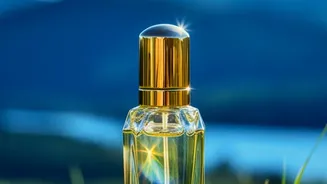
Fragrance is not merely a byproduct of this ritual; it is a central element. The scents are intentional, chosen for their therapeutic and spiritual properties. Sandalwood's woody aroma is grounding and helps focus the mind for prayer and festivities. Rose is associated with love and joy, while turmeric's earthy scent is considered purifying and auspicious. Other fragrances like jasmine or vetiver may also be incorporated. This symphony of smells does more than perfume the skin; it signals a shift in time and spirit, creating an olfactory backdrop that is intrinsically linked with the feeling of celebration.
Tradition Meets Modern Life
While the spirit of the pre-festive bath remains unchanged, its practice has adapted to contemporary lifestyles. Many families continue the cherished tradition of preparing ubtan from scratch, a process that is often a joyful communal activity. However, for those with less time, the market now offers a wide array of high-quality, ready-made ubtan powders, scrubs, and even soaps infused with the same traditional ingredients. These modern conveniences allow the ritual to continue, ensuring that the essence of this fragrant, purifying tradition is accessible to everyone, connecting them to their cultural heritage in a way that fits the pace of modern life.