




Beyond just fiery heat, Chettinad cuisine from Tamil Nadu is a masterclass in complexity. It's a culinary tradition built on freshly ground masalas, where layers of aroma are carefully constructed to create a flavour profile unlike any other.
A History Forged in Trade
To understand
Chettinad food, you must first understand the Chettiars. Hailing from the Sivaganga district of Tamil Nadu, the Nattukottai Chettiars were a community of wealthy traders and bankers. From the 18th to the early 20th centuries, their trade networks stretched across Southeast Asia, to places like Burma (now Myanmar), Malaysia, Sri Lanka, and Singapore. They returned not just with immense wealth, which they used to build palatial mansions with Burmese teak and Italian marble, but also with new ingredients, spices, and culinary ideas. This global exposure, combined with the arid landscape of their homeland, shaped a unique way of cooking. They became experts in using sun-dried meats and salted vegetables, a preservation technique born out of necessity for their long sea voyages. This history created a cuisine that is both deeply traditional and remarkably cosmopolitan.
The Soul of the Masala
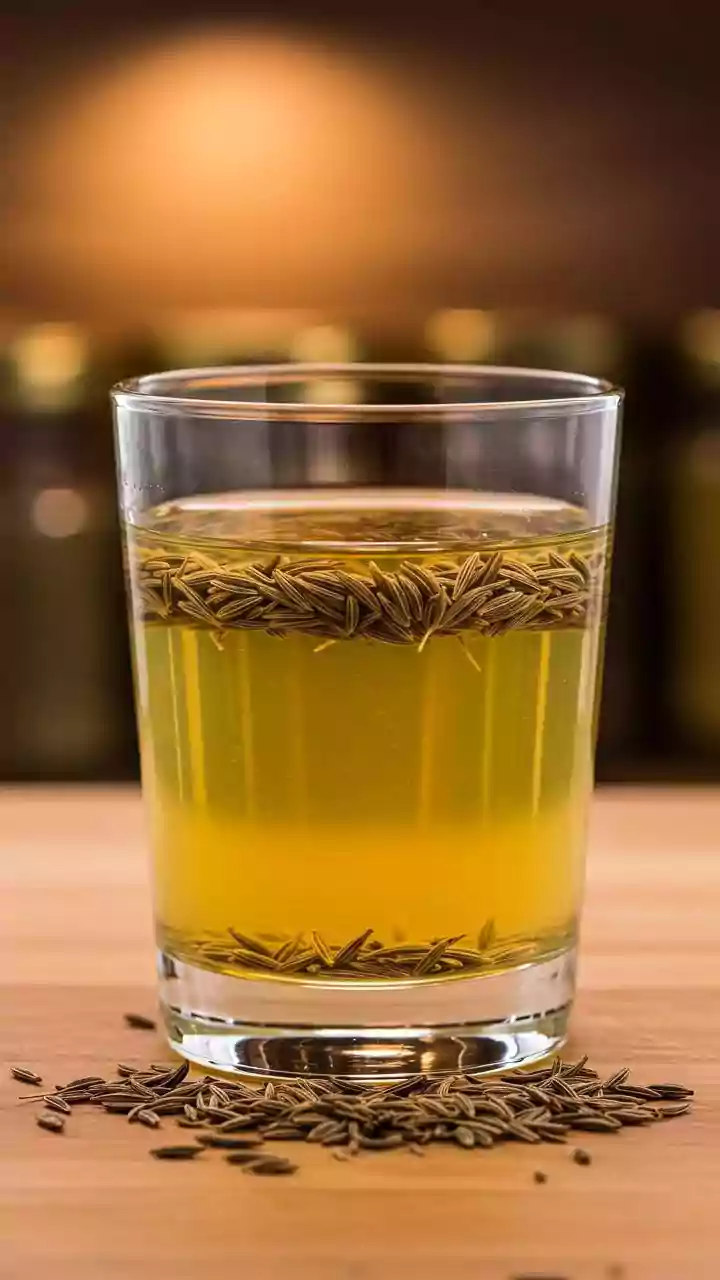
The heart of any Chettinad dish is the masala, which is almost always prepared fresh. Unlike many other cuisines that rely on pre-made powders, Chettinad cooking insists on dry-roasting whole spices to awaken their essential oils before grinding them. This process is crucial for achieving the cuisine's signature depth and aroma. While common spices like coriander seeds, cumin, fennel seeds, cinnamon, cloves, and cardamom form the base, it's the more unusual ingredients that define the Chettinad flavour profile. The most important of these are kalpasi, also known as black stone flower, and marathi mokku, or kapok buds. These spices contribute a subtle, earthy, and slightly smoky dimension that is impossible to replicate.
Unsung Heroes: Kalpasi and Marathi Mokku
Kalpasi, or stone flower, is not a flower at all but a type of edible lichen that grows on rocks and trees. It has a mild, earthy flavour on its own but transforms when tempered in hot oil, releasing a complex, smoky aroma that provides the foundational 'soul' of many Chettinad gravies. Marathi moggu, the dried bud of the kapok tree, is another unique spice that looks somewhat like an oversized clove. When fried or roasted, it imparts a pungent, peppery flavour with woody and floral notes, adding another layer of complexity to the masala. Together, these spices create a flavour that is distinctly Chettinad—aromatic and deep rather than just hot.
More Than Just Heat
A common misconception about Chettinad food is that it is relentlessly fiery. While many dishes do pack a punch, the heat is nuanced and layered, not one-dimensional. Much of the warmth comes from black pepper, which was the primary source of heat in the region before chillies were widely introduced. This results in a pungent heat that builds slowly, complemented by the sharper kick of dried red chillies. The true art lies in balancing these bold flavours. Spices are added at different stages of cooking to create a progression of tastes. Aromatic spices like star anise and fennel provide sweetness, while tamarind lends a tangy counterpoint, ensuring that no single flavour dominates. The result is a robust, well-rounded, and deeply aromatic experience.
Iconic Dishes to Try
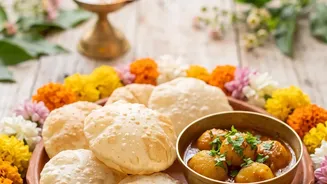
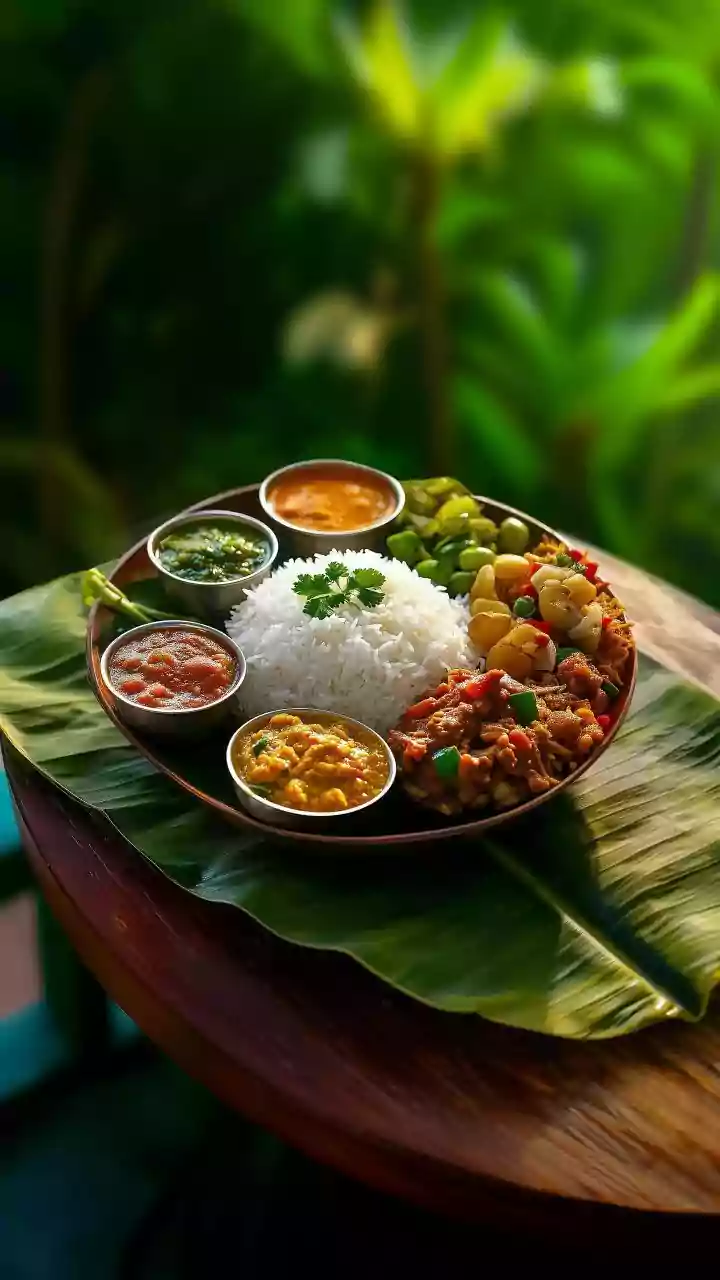
The mastery of Chettinad spice blending is best experienced through its signature dishes. Chicken Chettinad is perhaps the most famous ambassador of the cuisine, a fiery, dark curry that showcases the complexity of the freshly ground masala. Another classic is Mutton Chukka, a dry preparation where tender pieces of mutton are roasted with spices until the masala clings to the meat. For seafood lovers, Karaikudi Eral Masala (prawn curry) and Nandu Masala (crab curry) are quintessential choices. Vegetarians can enjoy dishes like Ennai Kathirikai, a tangy brinjal curry, or the flavourful Vegetable Chettinad. These dishes are traditionally served on a banana leaf with rice or rice-based accompaniments like appam, idiyappam, and dosas, whose milder tastes perfectly complement the potent curries.