





The Unprecedented Digital Money Trail
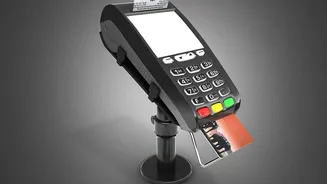
India's digital payment revolution, spearheaded by the Unified Payments Interface (UPI), has fundamentally changed how we handle money. In the fiscal year 2025-26, UPI alone processed a staggering 24,162 crore transactions, amounting to over ₹314 lakh
crore. This surge isn't just about big-ticket purchases; it's driven by a massive volume of small, daily transactions. Unlike cash, which vanishes without a trace, every digital payment—whether through UPI, a mobile wallet, or a card—creates a clear, time-stamped record. This automatic ledger is the foundation of modern personal finance management, transforming ambiguous spending habits into concrete data.
Your Bank Statement's New Superpower
In the past, a monthly bank statement was a cryptic document, filled with ATM withdrawals and vague cheque numbers. Today, it’s a detailed diary of your financial life. Each UPI or digital transaction is listed with the recipient’s name, making it easy to see exactly where your money went. You can scroll through your payment app's history or bank statement and instantly identify how much was spent on groceries, fuel, online shopping, or food delivery. This granular detail eliminates the guesswork that used to plague manual budgeting, where a single large cash withdrawal could mask dozens of smaller expenses.
Meet Your Automated Budgeting Assistants
The real game-changer is the ecosystem of personal finance apps that has emerged to harness this data. Apps like Walnut, Moneyview, and INDmoney can automatically track your spending by syncing with your accounts or reading your transaction SMS alerts. With your permission, these apps categorize each expense—tagging a Zomato order as 'Food', an Uber ride as 'Travel', and an Amazon purchase as 'Shopping'. Many provide monthly reports and visual charts that show your spending patterns at a glance. This level of automation turns the tedious task of manual expense logging, which only a small fraction of Indian households used to do, into a background process that happens without any effort.
From Hindsight to Real-Time Insight
This automated tracking shifts budgeting from a reactive to a proactive exercise. Instead of waiting until the end of the month to realize you’ve overspent, you can get real-time insights into your financial health. Some apps allow you to set monthly budgets for different categories and will send you alerts when you’re approaching your limit. This 'nudge' can be a powerful tool for building financial discipline. It empowers users to make smarter spending decisions throughout the month, not just after the damage is done. It’s the difference between reading last month’s news and getting a live news alert on your phone.
The Pitfalls of Frictionless Finance
While the tools for reviewing spending have improved, the ease of digital payments also presents a psychological challenge. The frictionless nature of a quick tap or scan can make spending feel less 'real' than handing over physical cash, potentially leading to unintentional overspending. Furthermore, the sheer volume of digital transactions can feel overwhelming. The data is only useful if you take the time to review it. These apps provide clarity, but the responsibility to act on that information remains with the user. The risk of digital fraud, though being addressed with enhanced security measures, also remains a concern for many users.