



Why Whole Spices Are a Game-Changer
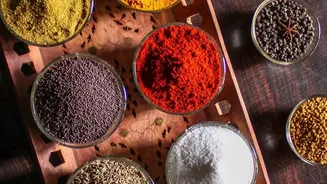
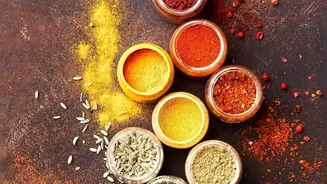
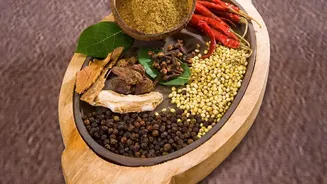
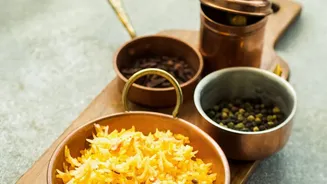
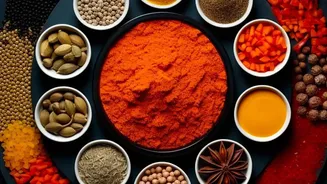
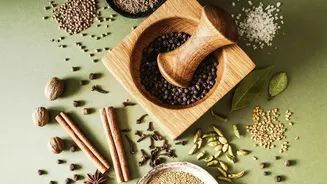
The difference between using a pre-ground spice and a whole one is like the difference between a whisper and a song. Whole spices, in their natural, intact forms like seeds, pods, and bark, act as tiny protective capsules for their essential oils. These
oils are where the aroma and flavour live. When a spice is ground, its surface area expands, exposing these volatile oils to air and light, which causes them to degrade and lose their potency quickly. By starting with whole spices, you get a product with a longer shelf life and, more importantly, you control the moment of flavour release. This gives you a more vibrant, complex, and authentic taste that pre-ground powders simply cannot match.
Cumin and Tamarind: An Essential Pairing
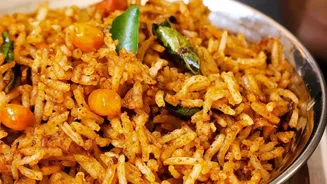
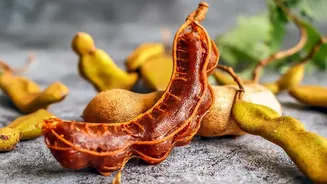
Cumin and tamarind are a classic duo in Indian cuisine, creating a beautiful balance of flavours. Cumin, or 'jeera', provides a warm, nutty, and earthy foundation that is savoury and pungent. Tamarind, on the other hand, delivers a tangy, slightly sweet, and zesty brightness. Together, cumin’s earthiness grounds the sharp, fruity notes of the tamarind, resulting in a well-rounded and harmonious taste profile. This pairing is the backbone of countless dishes, from southern Indian rasam and sambar to tangy sauces and hearty lentil dals.
Technique 1: The Art of Dry Toasting
Dry toasting is a simple technique that has a profound impact on flavour. Heating whole spices in a dry pan wakes up their dormant essential oils, deepening their aroma and adding a complex, nutty character. To do this, place your whole spices, like cumin seeds, in a single layer in a dry, heavy-bottomed skillet over medium-low heat. Stir or shake the pan continuously to prevent burning. Within two to four minutes, you’ll notice the colour darken slightly and a wonderfully fragrant aroma will fill your kitchen—that’s your cue they are done. Immediately transfer them to a cool plate to stop the cooking process, as the residual heat from the pan can burn them and turn them bitter.
Technique 2: Tempering in Oil (Tadka)
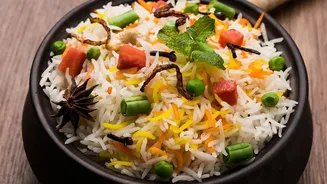
Tempering, known as 'tadka' or 'chaunk', is a foundational technique where whole spices are briefly fried in hot oil or ghee. This method extracts and infuses the fat with the spices' aromatic compounds, which then gets poured over a dish as a finishing touch, adding a dramatic burst of flavour and aroma. To make a simple tadka, heat a tablespoon or two of ghee or oil in a small pan. When the oil is hot, add whole spices like mustard seeds first, as they need the most heat to pop. Follow with cumin seeds and perhaps a dried red chilli. They will sizzle and become fragrant in under a minute. This aromatic oil is then immediately poured over lentils, soups, or vegetables, creating an iconic sound and transforming the dish.
Putting It All Together
So how do you apply this to cumin and tamarind cooking? Imagine making a 'khatti dal' (sour lentil soup). While your dal simmers with tamarind paste, you can prepare a tadka. Heat ghee, add whole cumin seeds, and let them sizzle and release their earthy scent. Pour this fragrant tadka over the dal right before serving. The hot ghee carries the fresh, potent flavour of the cumin through the entire dish, complementing the tang of the tamarind perfectly. For a marinade, you could dry-toast cumin seeds, grind them fresh, and then mix them with tamarind paste, garlic, and other spices. This creates a much more flavourful coating for grilled vegetables or meats than using a pre-ground powder.