


The Science of the Wilt
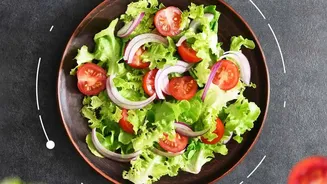
The crispness of a lettuce leaf comes from water pressure within its cells, a state known as turgor pressure. Think of each plant cell as a tiny, water-filled balloon; when full, they press against the cell walls, making the leaf firm and crunchy. However,
these cell walls are delicate. When you introduce a significant temperature change, such as adding hot grilled chicken or roasted vegetables, the cell membranes can be damaged. Heat causes the water inside the cells to expand and escape, leading to a loss of turgor pressure. The cells deflate, and the entire leaf structure collapses, resulting in that all-too-familiar wilted texture. This process happens remarkably fast, especially in delicate greens.
It's a Team Effort: Heat, Moisture, and Dressing
While heat is the primary catalyst, it often has accomplices. Moisture from the warm ingredients can create a steamy microenvironment that accelerates wilting. Furthermore, most salad dressings contain salt and acid. Salt, through the process of osmosis, naturally draws water out of the lettuce cells, causing them to go limp on their own. When you combine the cell-wall-damaging effects of heat with the water-drawing power of a salty vinaigrette, you create the perfect storm for a soggy salad. The acid in dressings can also soften the structural components of the cell walls, further contributing to the breakdown. It's a triple threat that can take a salad from crisp to collapsed in moments.
Technique 1: The Art of the Barrier
One of the most effective strategies used by chefs is to build a buffer between the warm and cold components. Instead of placing hot ingredients directly onto delicate greens, create a protective layer. Start with your greens at the bottom of the bowl. Then, add a layer of heartier, less temperature-sensitive ingredients. Think of things like cooked grains (quinoa, farro), crumbled cheese (feta, goat cheese), nuts, seeds, or even sturdier raw vegetables like grated carrots or sliced cucumbers. These ingredients can absorb some of the residual heat and moisture, shielding the delicate greens underneath. When you finally add your warm protein or vegetables on top of this barrier, the heat transfer to the lettuce is significantly reduced, preserving its crunch.
Technique 2: Choose Your Greens Wisely
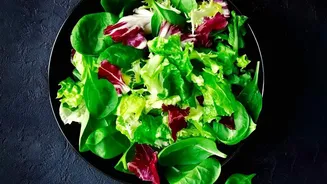
Not all greens are created equal when it comes to standing up to heat. If you know you'll be adding warm elements, consider using sturdier varieties. Hearty greens like kale, romaine lettuce, radicchio, escarole, and even spinach are more resilient than their delicate counterparts. Kale, especially when massaged with a little dressing beforehand, can handle warmth without losing its pleasant chew. Romaine has a thick, watery rib that helps it stay crisp longer. Delicate lettuces like butter lettuce, red leaf, or spring mix are far more susceptible to wilting and are best reserved for entirely cold salads. Matching the right green to your salad's components is half the battle.
Technique 3: Patience and Timing
A little patience goes a long way. You don't need to let your grilled chicken or roasted vegetables go completely cold, but allowing them to cool for just five to ten minutes before adding them to the salad makes a huge difference. This slight temperature drop is often enough to prevent the immediate, shocking wilt of the greens. Another critical rule is to dress the salad at the absolute last moment, right before serving. Pre-dressing a salad, especially one with warm ingredients, guarantees a soggy result. By layering your ingredients with the dressing on the side or drizzled over the very top just before tossing, you give the greens their best chance to stay fresh and crisp through the meal.