



More Than Just a Condiment
In nearly every Indian household, a meal can feel incomplete without a small serving of pickle, or achaar. It’s the fiery mango pickle that cuts through rich curries, the sweet and sour lemon pickle that complements a simple dal and rice, and the mixed
vegetable pickle that adds a burst of flavour to a paratha. This tradition is about more than just taste. It is a time-honoured practice of preservation and culinary wisdom, where seasonal fruits and vegetables are transformed into a condiment that lasts for months. But what if these humble pickles were also a functional food, packed with benefits for our digestive health? The answer lies in the ancient art of fermentation.
The Magic of Natural Fermentation
Not all pickles are created equal. The key difference lies in how they are made. Many commercially produced pickles found on supermarket shelves today use vinegar as a quick-souring agent. This method, known as pickling, is effective for preservation and flavour but does not create the beneficial bacteria that our guts love. Traditional Indian pickle-making, however, often relies on a slower, more natural process called lacto-fermentation. This method uses salt, spices, and sometimes oil to create a brine. When vegetables or fruits are submerged in this brine and often exposed to sunlight, naturally present 'good' bacteria, primarily from the Lactobacillus family, begin to multiply. These microorganisms consume the natural sugars in the ingredients and convert them into lactic acid. It is this lactic acid that not only preserves the pickle but also gives it its characteristic tangy flavour and, most importantly, fills it with live probiotic cultures.
Meet Your Gut’s Best Friends: Probiotics
Probiotics are live, beneficial bacteria that play a crucial role in maintaining a healthy gut microbiome. A balanced gut is essential for everything from proper digestion and nutrient absorption to a strong immune system. When you consume naturally fermented foods, you are introducing these friendly microbes directly into your digestive system. Studies have shown that the lactic acid bacteria found in traditionally fermented foods can help improve gut health and digestion. These beneficial bacteria work to crowd out harmful microbes, reduce inflammation, and even produce essential nutrients like B vitamins and vitamin K. By making traditionally fermented pickles a part of your diet, you are tapping into a natural, food-based source of these vital microorganisms.
Heritage Pickles on Your Plate
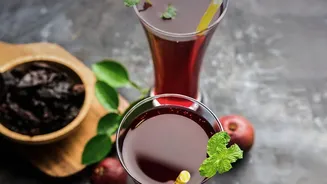
India’s diverse culinary landscape offers a wide array of fermented pickles, each with its own unique flavour profile. Classic examples include nimbu ka achaar (lemon pickle) and hari mirch ka achaar (green chilli pickle), where the ingredients are simply combined with salt and spices and left to mature in the sun. The salt draws out water, creating the brine necessary for fermentation. Other regional specialities like kanji (made with black carrots) and some varieties of mango, amla (gooseberry), and radish pickles are also prepared through fermentation. These pickles are not just recipes; they are a living tradition, preserving both produce and the microbial cultures that benefit our health.
Modern Store-Bought vs. Traditional Wisdom
When seeking the probiotic benefits of pickles, it is crucial to know what you are buying. Many mass-produced pickles are made with vinegar or are pasteurised—a heat treatment process used to extend shelf life. Unfortunately, this heat destroys the very live bacteria that offer probiotic benefits. To reap the gut-friendly rewards, look for pickles that are explicitly labelled as 'fermented' or 'probiotic'. Often, the best sources are homemade versions or those from small-batch producers who use traditional, non-vinegar, and unpasteurised methods. These pickles are typically preserved in salt and oil, relying on the time-tested technique of lacto-fermentation to develop flavour and beneficial cultures.