



Monsoon’s Toll on Your Gut
The rainy season, while romanticised, creates an environment where digestive issues can flourish. The high humidity can slow down our digestive processes, leading to bloating, gas, and a general feeling of heaviness. More significantly, this season sees
a higher risk of water and food contamination, increasing the chances of gastrointestinal infections. This disruption can throw the delicate balance of our gut microbiome—the trillions of microorganisms living in our digestive tract—into disarray, weakening our overall immunity at a time when we need it most. A healthy gut is crucial not just for digestion, but for nutrient absorption and fending off illnesses.
Meet the Good Bacteria: Probiotics
This is where probiotics come in. Probiotics are live, beneficial bacteria that, when consumed in adequate amounts, help maintain or restore the natural balance of your gut flora. Think of them as reinforcements for your gut's microbial army. These friendly microorganisms are essential for breaking down food, absorbing nutrients, and supporting the immune system. When your gut has a healthy, diverse population of these bacteria, it functions more efficiently, helping to alleviate common digestive complaints and protect against harmful pathogens that become more prevalent during the monsoon.
The Magic of Fermentation
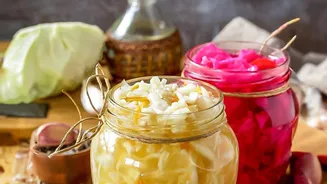
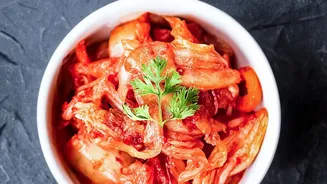
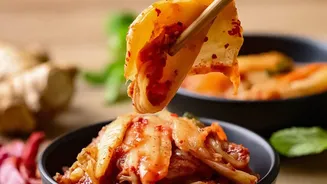
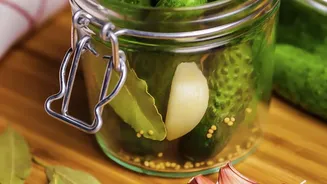
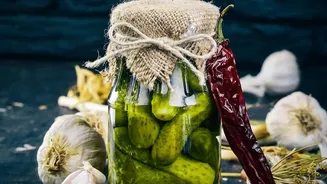
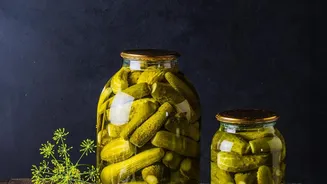
So, how do pickles fit into this? The key is fermentation—specifically, lacto-fermentation. This is an age-old preservation method where vegetables are submerged in a salt and water brine. Naturally present bacteria, called Lactobacillus, begin to convert the sugars in the vegetables into lactic acid. This lactic acid acts as a natural preservative, but more importantly, this process cultivates a rich population of the very probiotics our gut needs. These live cultures are what turn a simple cucumber or carrot into a gut-supporting powerhouse, making fermented foods like pickles a direct source of beneficial bacteria.
Not All Pickles Are Created Equal
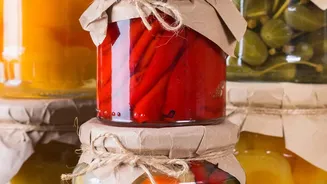
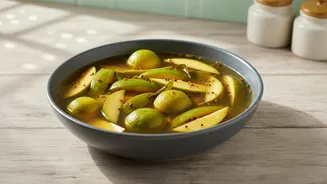
It's crucial to understand that most commercially available pickles in supermarkets will not offer these benefits. The majority are 'quick-pickled' using vinegar. The high acidity of vinegar preserves the vegetable but prevents the growth of beneficial bacteria; in fact, it kills them. Many are also pasteurised (heat-treated) for a longer shelf life, which destroys any live cultures. Traditional Indian 'achaars' are often preserved in oil and spices, and while some undergo fermentation, many do not and are prized for their flavour rather than probiotic content. For gut health benefits, you need raw, unpasteurised, lacto-fermented pickles. These are often found in the refrigerated section of stores or, even better, made at home.
The Homemade Advantage
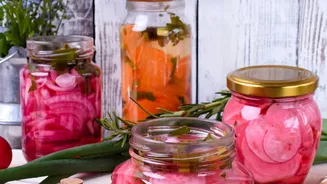
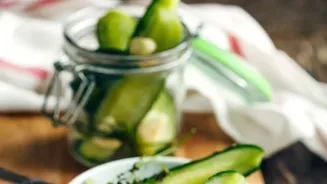
Making your own fermented pickles puts you in complete control. It's surprisingly simple and ensures you get a genuinely probiotic-rich food. At home, you can control the salt content, avoid artificial preservatives and additives, and guarantee the pickles are raw and teeming with live cultures. You also get to choose your vegetables—carrots, cucumbers, cauliflower, and beetroot all ferment beautifully. Traditional Indian fermented drinks like Kanji, made from black carrots and mustard seeds, are a perfect example of this process and are known to be excellent for digestion. Making them at home connects you to a tradition of food preservation that is both healthy and sustainable.