



The Cooling Counterpart: Raitas
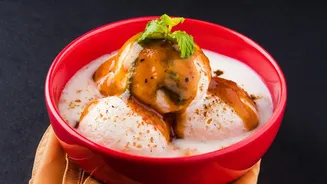
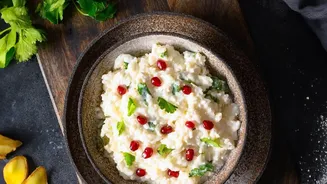
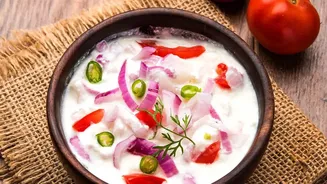
Perhaps the most famous dahi-based preparation, raita is a cooling condiment essential to the Indian dining experience. Its primary role is to balance the heat of spicy main courses, offering a refreshing contrast. Typically made with raw or sometimes
blanched vegetables, the formula is simple yet versatile: whisked dahi mixed with finely chopped ingredients and mild spices. Common North Indian-style raitas feature vegetables like cucumber, tomato, and onion, seasoned with roasted cumin powder, black salt, and sometimes a hint of mint. The beauty of raita lies in its simplicity and its ability to soothe the palate, making every bite of a fiery curry more enjoyable.
The Southern Sibling: Pachadis
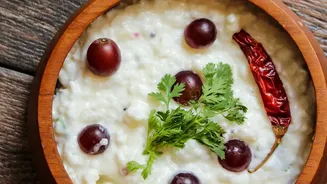
Travel south, and you'll find pachadi, a dish often compared to raita but with distinct characteristics. While both are yogurt-based, pachadis are a cornerstone of South Indian cuisine and can feature either raw or cooked vegetables. The key difference lies in the seasoning, or 'tadka'. A typical pachadi is finished with a tempering of hot oil infused with mustard seeds, curry leaves, and dried red chillies, which is then poured over the curd and vegetable mixture. Some variations also include ground coconut, adding another layer of flavour and texture. From crunchy cucumber pachadi to earthy beetroot pachadi, these dishes offer a more complex flavour profile than their northern counterparts.
The Slow-Simmered Soul: Kadhis
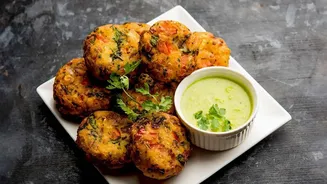
Kadhi is the ultimate comfort food, a slow-simmered curry where sour dahi or buttermilk is the hero. To prevent the curd from splitting, it is first whisked with besan (gram flour), which acts as a stabilizer and thickener. This mixture is then gently cooked, often for 30 minutes or more, allowing the flavours to deepen into a beautifully tangy and savoury gravy. Regional variations are abundant. Punjabi kadhi is thick and often includes vegetable fritters (pakoras), while Gujarati kadhi is thinner and has a characteristic sweet and sour taste. Rajasthani and Maharashtrian versions have their own unique spice blends, showcasing the incredible adaptability of this humble dish.
The Quick and Tangy Gravy
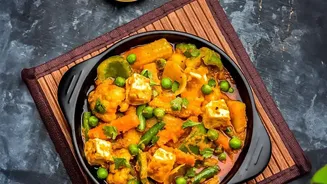
Beyond the well-known categories, dahi is also used to create quick and flavourful gravies for standalone vegetable dishes. Preparations often called 'dahi ki sabzi' or 'dahi wala' involve creating a simple yet robust curry base. Often, spices are bloomed in hot oil, onions and sometimes tomatoes are sautéed, and then whisked yogurt is carefully stirred in at the end, usually with the heat turned down to prevent curdling. This technique is used to make popular dishes like Dahi Wale Aloo (potatoes in yogurt gravy) or Dahi Baingan (eggplant in a curd curry). The result is a light, tangy gravy that comes together much faster than a traditional kadhi, making it a perfect weeknight meal.