


The Illusion of Choice at the Festival
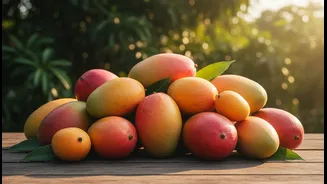
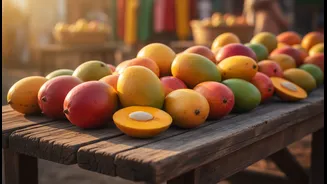
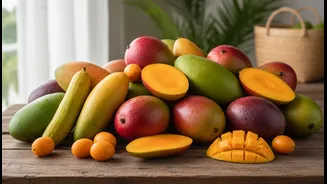
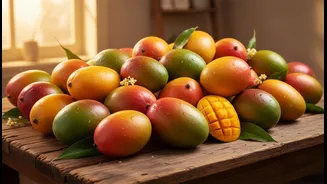
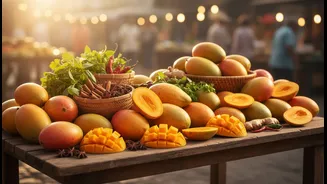
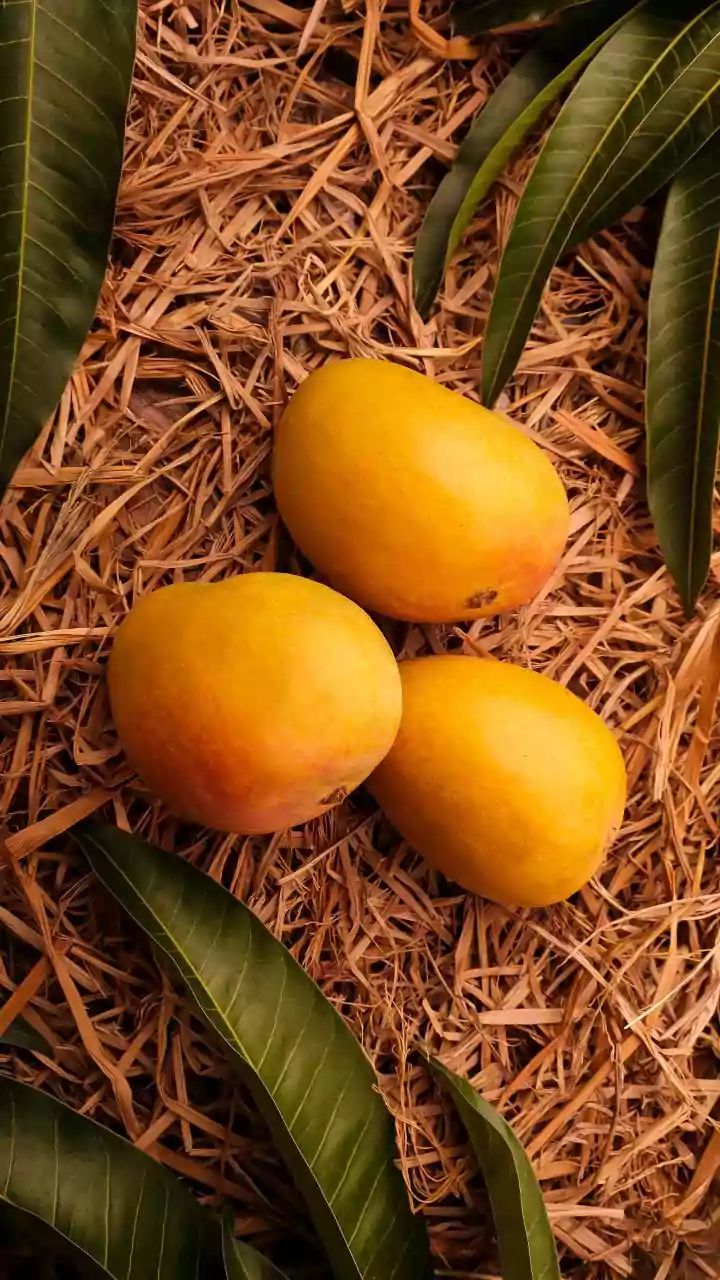
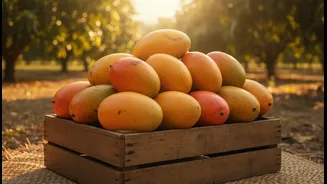
Mango festivals are a wonderful sensory experience. Stalls overflow with hundreds of varieties, offering a kaleidoscope of shapes, sizes, and flavours for tasting and purchase. These events are important platforms for farmers to market their produce and sustain
local economies. However, the diversity on display can be deceptive. Often, the stars of the show are the well-known, commercially successful varieties that dominate the market. While a festival might showcase 50 or 100 types of mangoes, this represents only a fraction of India's true genetic wealth, which is estimated to be over a thousand distinct varieties. This focus on popular favourites, while understandable from a sales perspective, inadvertently contributes to a wider problem: the slow disappearance of countless lesser-known, regional mangoes.
The Silent Loss of Heritage Varieties
For generations, farmers across India have acted as custodians of mango biodiversity, cultivating unique local varieties known as landraces. These heirloom mangoes are not just fruits; they are living archives of regional history, culture, and ecology. However, market pressures increasingly push farmers towards monoculture, favouring high-yield, commercially viable varieties like Alphonso or Dashehari. As a result, many traditional orchards with multiple varieties are being replaced, and centuries-old trees are disappearing due to urbanisation and changing agricultural practices. This genetic erosion is a serious threat. Non-commercial mango varieties are crucial sources of genes for future breeding programmes, potentially holding traits for disease resistance, climate resilience, and unique nutritional profiles. When a variety vanishes, we lose more than a taste; we lose a piece of our agricultural heritage and a potential solution to future challenges.
Why Tasting Is Not Conserving
The fundamental limitation of most mango festivals is their design as consumer events. Their primary purpose is to sell fruit and mango-based products, not to implement long-term conservation strategies. A tasting session introduces consumers to new flavours, but it doesn't guarantee the survival of the tree that produced the fruit. Farmers who grow rare varieties often struggle to find a market, receiving low prices in wholesale channels that demoralise them from continuing their conservation efforts. While some festivals are beginning to incorporate themes of sustainability and heritage, many still lack robust educational components that explain the threats to biodiversity or create direct, sustainable support systems for the farmers who are the guardians of these rare fruits. Simply put, a seasonal transaction is not a substitute for a sustainable livelihood.
From Festival to Conservation Movement
The solution is not to abandon these joyful celebrations, but to evolve them. Mango festivals possess an enormous, largely untapped potential to become powerful platforms for conservation. Organisers could partner with agricultural universities and research institutes to document and catalogue the varieties on display, creating a public database of our mango wealth. Festivals could actively promote and create premium markets for farmers cultivating rare and indigenous varieties, ensuring they receive a fair price that makes conservation economically viable. Imagine dedicated sections for 'at-risk' mangoes, complete with stories of their origin and the farmers who protect them. Events could host workshops on grafting, seed saving, and establishing community-led gene banks, transforming passive consumers into active participants in the conservation movement. By connecting conscious buyers directly with custodian farmers, these festivals can bridge the gap between urban appreciation and rural reality.