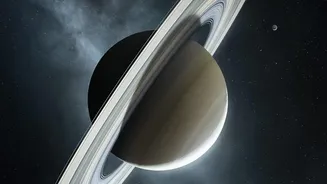




The Ringed Jewel Takes Centre Stage
All year, the planets move across our sky, but there are special seasons when they seem to step into the spotlight. For Saturn, that season is starting now. Throughout August, the magnificent ringed planet will be rising earlier each evening, positioning
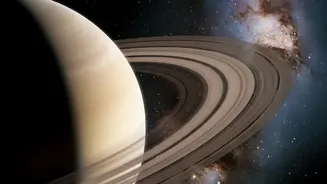
itself for prime viewing. Currently travelling through the constellation Pisces, Saturn is steadily growing in brightness as Earth's faster orbit brings us closer. Think of this month as the opening act for a grand celestial show. It’s the perfect time to get acquainted with this distant world, which appears to the naked eye as a bright, steady, golden-hued point of light. Unlike twinkling stars, Saturn shines with a calm, unwavering glow, making it surprisingly easy to identify once you know where to look.
Your Guide to a Perfect Sighting
Finding Saturn from India is straightforward this month. At the beginning of August, look towards the eastern horizon from about 10:30 PM onwards. As the month progresses, Saturn will rise progressively earlier, making it more convenient for evening sky-gazers. By late August, it will be well-placed for viewing from around 9 PM. The planet will then journey across the night sky, reaching its highest point around midnight before setting in the west as dawn approaches. For the best view, find a location away from the glare of city lights. Allow your eyes about 15-20 minutes to adjust to the darkness. You don't need to be in a remote area; a dark park, a terrace, or even a balcony with an unobstructed view of the eastern sky will work well.
What You Can Expect To See
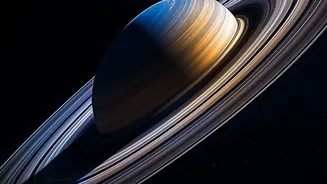
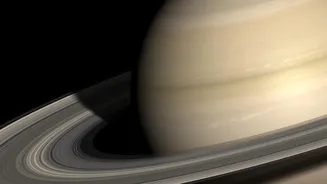
The view of Saturn transforms dramatically with even a little bit of optical aid. While it is a beautiful sight to the naked eye, a simple pair of binoculars will reveal that the point of light is not perfectly round but slightly oval or elongated — a tell-tale sign of its famous rings. However, to truly resolve the rings as a structure separate from the planet, you'll need a telescope. The good news is that even a basic telescope with about 25x to 50x magnification is enough to deliver that breathtaking 'wow' moment when you first see the rings. This year offers a unique perspective: the rings are tilted at a very narrow angle towards us, making them appear as a thin, elegant line crossing the planet. This near edge-on view is a special sight that only occurs every 14 to 15 years.
Building Up to the Main Event
While August offers a fantastic viewing opportunity, it's also a preview of something even more spectacular. The reason Saturn is getting brighter and better each night is because we are heading towards its 'opposition'. This is the point in the year when Earth passes directly between Saturn and the Sun. On this date, the planet is at its closest to us, and it appears at its largest and most brilliant for the entire year. In 2026, Saturn's opposition occurs on October 4. On and around this date, the planet will be visible all night long, rising at sunset and setting at sunrise. So, use this month to practice finding Saturn and observing its features. Think of it as getting a front-row seat and settling in before the main performance begins.