








What Exactly Is Kokum?
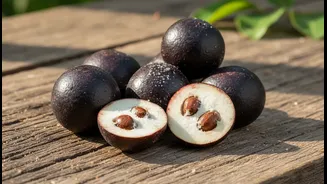
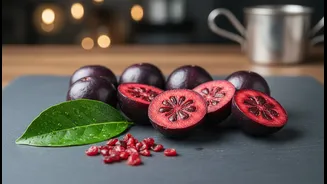
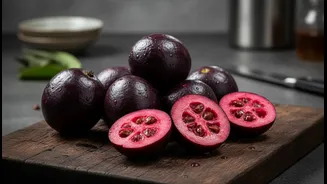
Kokum, or Garcinia indica, is a small, plum-sized fruit native to the western coastal regions of India, including Goa, Maharashtra, and Karnataka. For centuries, it has been a staple in local cuisines, primarily used as a souring agent, much like tamarind
but with its own unique, slightly sweet and floral undertone. Traditionally, the fruit's rind is sun-dried, turning it a dark purple-black. These dried rinds, often called 'aamsul' or 'kokum phool', are then added whole to curries, especially coconut-based fish dishes, and lentil preparations to impart a signature tangy flavour and a beautiful pinkish hue. Its use extends beyond flavour; it’s renowned for its cooling properties, making kokum sherbet a beloved summer drink to combat the heat.
From Coastal Staple to Urban Star
So, why the sudden buzz? Kokum is stepping out of traditional kitchens and onto the menus of modern Indian restaurants, where chefs are re-discovering its versatility. This resurgence is driven by a growing interest in indigenous ingredients and regional culinary traditions. Chefs are now experimenting with kokum in innovative ways, moving it far beyond its role as a simple souring agent. You can find it in everything from vibrant salad dressings and powdered seasonings for snacks to sophisticated cocktails and appetisers. Some restaurants have even made the fruit their namesake, building their brand around modernizing age-old Indian recipes. This creative application has introduced kokum to a new generation of diners, celebrating its complex flavour profile that can be both tart and refreshing.
The Health Halo Effect
Much of kokum's modern appeal is tied to its perceived health benefits, which are well-established in Ayurvedic traditions. The fruit is rich in antioxidants, particularly anthocyanins, which give it its deep colour. One of its most talked-about components is Hydroxycitric Acid (HCA), which some studies suggest may act as an appetite suppressant and aid in weight management. Additionally, kokum is valued for its anti-inflammatory properties and its role as a digestive aid, often used to soothe acidity and indigestion. While many of these benefits are supported by traditional use and preliminary studies, it's important to note that extensive clinical research on humans is still needed to fully validate these claims.
A Guide to Buying and Storing Kokum
Navigating the world of kokum can be simple if you know what you're looking for. It's available in several forms: Dried Kokum (Aamsul): This is the most common form—the sun-dried rinds of the fruit. Look for pieces that are dark purple or black, but still have some pliability. Avoid ones that look overly dry, brittle, or brownish. The deeper the colour, the better the quality. When stored in an airtight container away from moisture, dried kokum can last for about a year. Kokum Syrup/Concentrate: A popular choice for making sherbet, this is a sweetened concentrate of kokum juice. When buying, check the ingredient list. Opt for brands that use real kokum extract and natural sweeteners like sugar or jaggery, rather than artificial colours and flavours. Homemade versions offer the most control over sugar content. Fresh Kokum: Harder to find outside its native regions due to a short shelf life of only about five days, fresh kokum is a treat. If you do find it, it should be plump and have a deep red-purple hue. Kokum Powder: This is made from ground, dried kokum and can be a convenient way to add tang to dishes.
Thinking Beyond Sol Kadhi
While the classic Goan-Maharashtrian sol kadhi (a kokum and coconut milk drink) is a perfect introduction, there are many other ways to use this ingredient. Use the dried rinds in lentil dals or chickpea curries for a subtle tang. Create a refreshing kokum rasam for a tangy and spicy soup. For a modern twist, infuse water with a few dried petals to make a detox drink or create a simple syrup to use in mocktails, cocktails, or as a drizzle over desserts. Some chefs are even using powdered kokum as a seasoning rub for grilled meats or sprinkling it over fried snacks for a burst of acidic flavour.