


The Allure of the Juice Cleanse
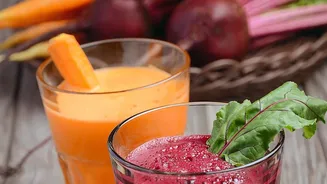
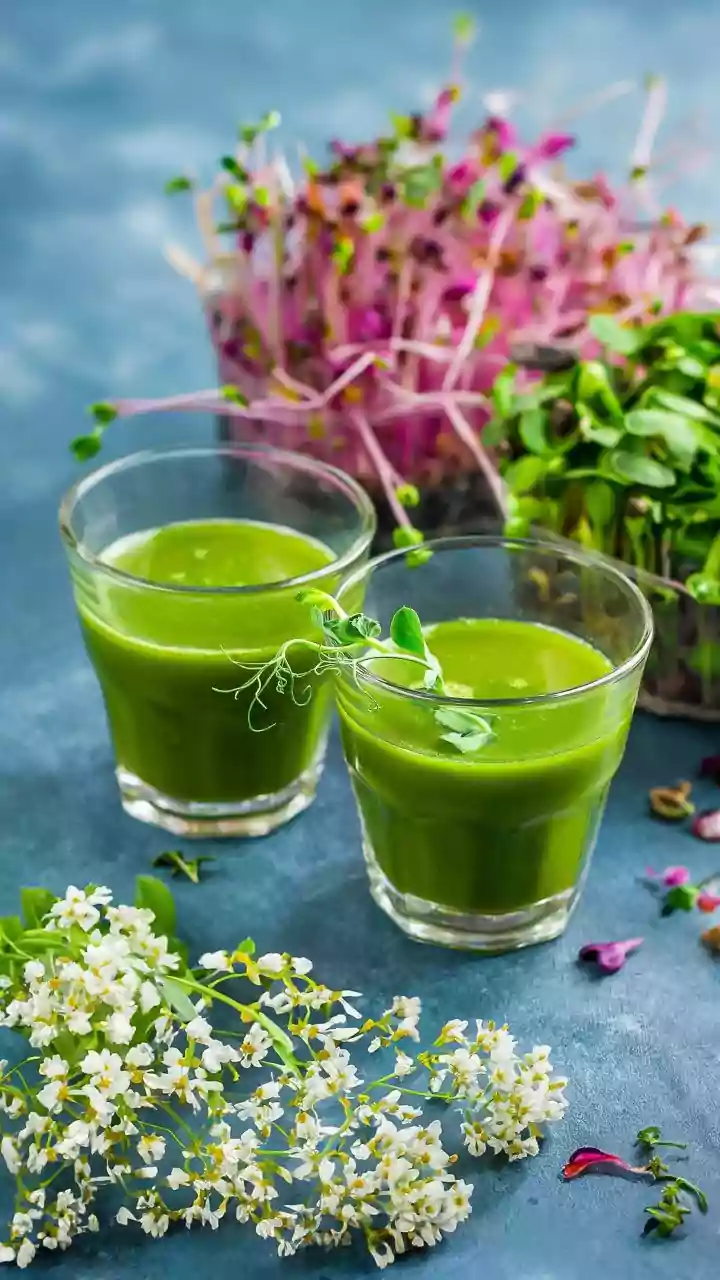
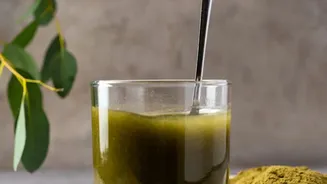
The promise of cold-pressed juice is compelling. By using a hydraulic press to extract juice from fruits and vegetables, the process avoids the heat generated by traditional centrifugal juicers, which proponents claim preserves more vitamins and minerals.
The result is a vibrant, nutrient-dense beverage that offers a concentrated shot of vitamins in a convenient form. For those who struggle to eat enough whole fruits and vegetables, juicing can seem like a perfect solution to boost nutrient intake quickly and easily. It's a cornerstone of the modern wellness movement, promising everything from detoxification to glowing skin. But this convenience comes at a cost, as the very process that creates the smooth liquid also removes a key component of the whole plant.
Understanding Your Fiber: Soluble vs. Insoluble
To understand what's lost in juicing, it’s important to know that dietary fiber comes in two main types: soluble and insoluble, both essential for good health. Soluble fiber dissolves in water to form a gel-like substance in your digestive system. Found in foods like oats, apples, and beans, it slows down digestion, which helps control blood sugar and can lower cholesterol. Insoluble fiber, on the other hand, does not dissolve in water. Found in things like whole grains, nuts, and the skins and pulp of fruits and vegetables, it adds bulk to your stool and helps food pass more quickly through the digestive system. Think of it as a scrub brush for your gut, promoting regularity and helping your body's sensitivity to insulin.
Where the Fiber Goes
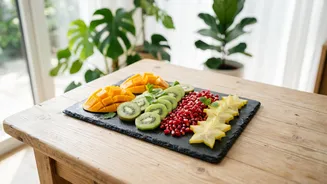
The juicing process is, by design, a process of separation. A juicer works by extracting the liquid from produce while separating out the solid parts—the skin, seeds, and pulp. This discarded pulp is precisely where most of the insoluble fiber is found. While some soluble fiber remains in the liquid juice, the vast majority of the insoluble fiber is left behind. So, when you drink a glass of clear, pulp-free apple juice, you are consuming the vitamins, minerals, and natural sugars of the apple, but you have lost almost all of the valuable insoluble fiber that was in the fruit's skin and flesh.
The Blood Sugar Connection
This is where blood sugar regulation comes in. When you eat a whole fruit, the fiber acts as a natural brake system. It slows down the absorption of fructose (the fruit's natural sugar) into your bloodstream. This leads to a gradual, gentle rise in blood sugar levels. However, when you drink juice without that fiber, you're getting a concentrated dose of sugar that hits your bloodstream all at once. This can cause a rapid spike in blood sugar, prompting your pancreas to release a large amount of insulin to manage it. This spike is often followed by a sharp crash, which can leave you feeling tired, irritable, and even hungry again soon after. For example, a whole orange has a glycemic index (GI) of around 40, while orange juice can have a GI as high as 66—closer to that of a cola.
Juice vs. Smoothie: A Better Alternative?
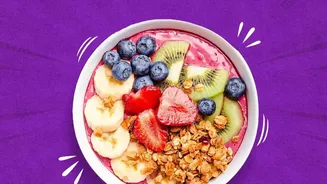
If you enjoy drinking your fruits and vegetables but want to keep the fiber, blending them into a smoothie is a far better option. A blender pulverizes the entire fruit or vegetable, including the skin, pulp, and seeds, meaning all the insoluble fiber is retained in the final drink. Because the fiber is still present, smoothies are more filling and have a less dramatic impact on blood sugar levels compared to juice. While juicing offers a more concentrated source of some vitamins, blending provides the complete nutritional package of the whole food, keeping you satiated for longer and supporting stable energy levels.